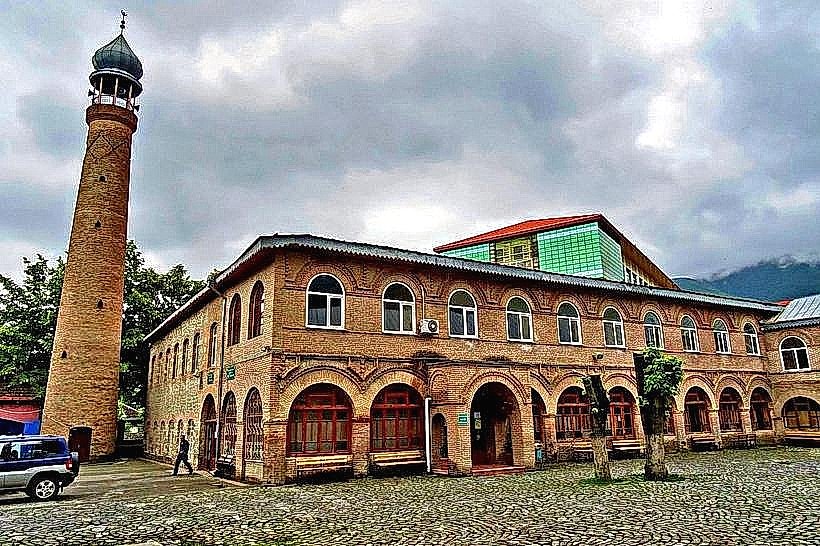
Information
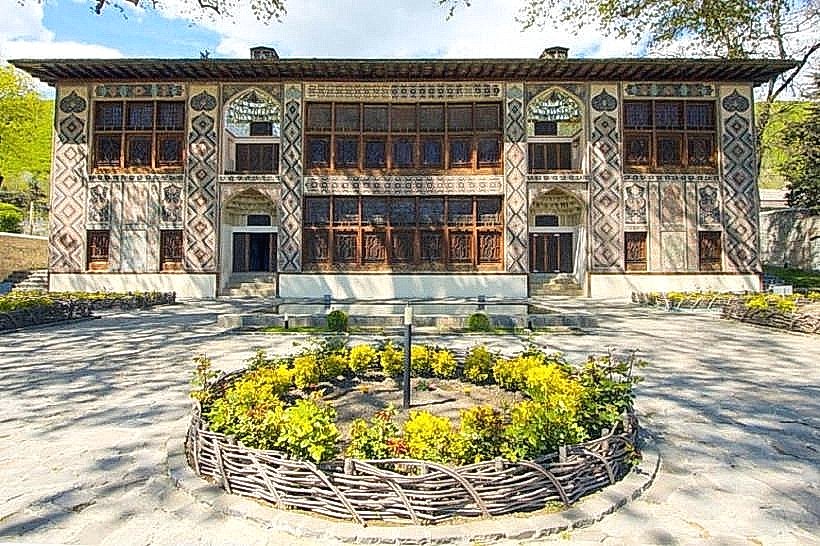
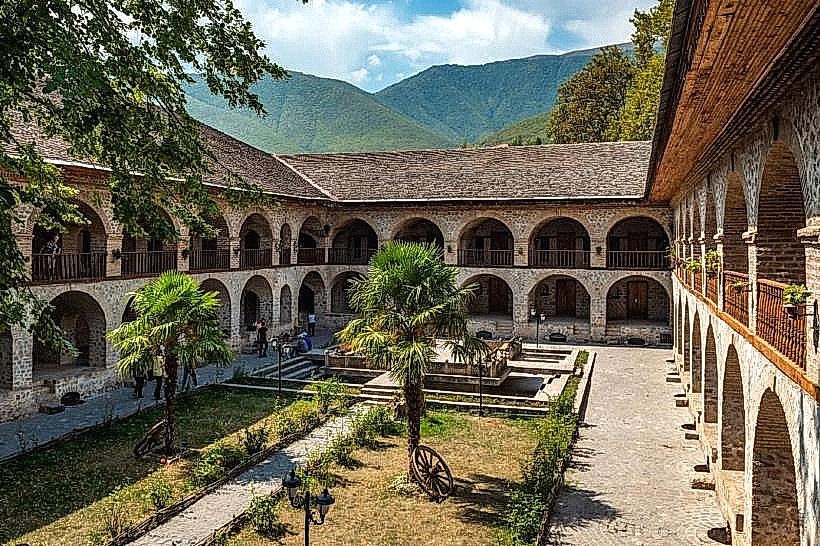
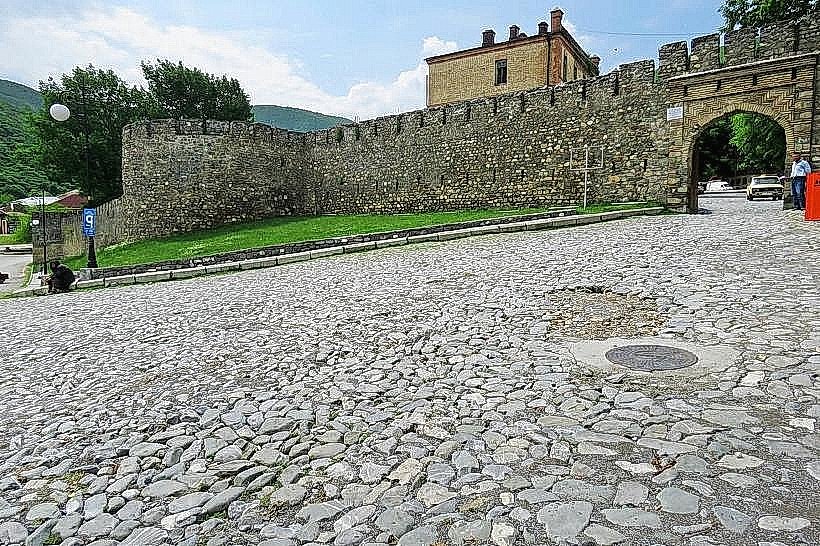
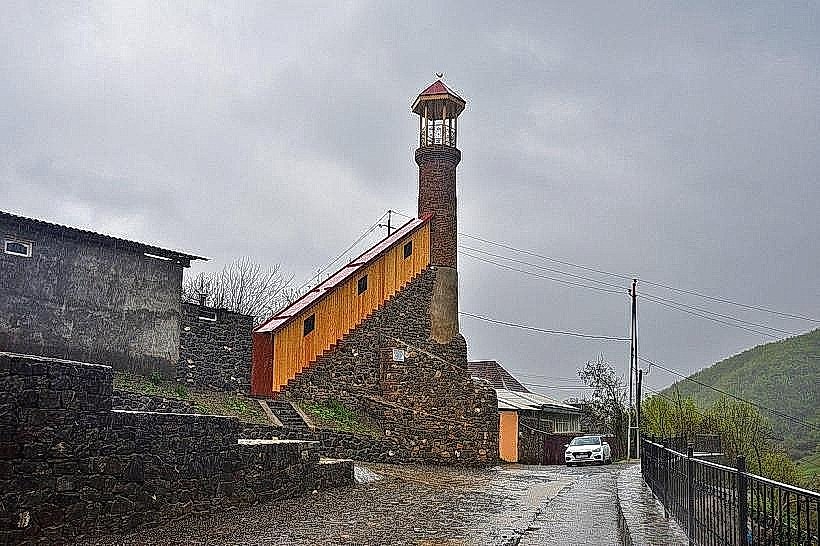
Landmark: Yukhary BashCity: Sheki
Country: Azerbaijan
Continent: Asia
Yukhary Bash, Sheki, Azerbaijan, Asia
Mount Manengouba is a dormant volcano located in the Littoral Region of Cameroon, near the city of Nkongsamba.
Visual Characteristics
The mountain features two distinct crater lakes, known as the "Male" and "Female" lakes, separated by a narrow ridge. The slopes are covered in dense montane forest, with varying shades of green depending on the vegetation type. The elevation reaches approximately 2,200 meters (7,218 feet).
Location & Access Logistics
Mount Manengouba is situated approximately 50 kilometers northwest of Nkongsamba. Access is primarily via unpaved roads from Nkongsamba, requiring a 4x4 vehicle, especially during the rainy season. The journey can take 2-3 hours. There is no designated public transport to the summit. Limited parking is available at trailheads.
Historical & Ecological Origin
Mount Manengouba is a stratovolcano, part of the Cameroon volcanic line. Its formation dates back to the Pleistocene epoch. The crater lakes are a result of volcanic activity and subsequent water accumulation.
Key Highlights & Activities
Hiking to the crater rim offers views of the lakes. Trekking between the "Male" and "Female" lakes is a common activity. Birdwatching is possible within the forested areas. Local guides are recommended for navigation and understanding the ecological significance.
Infrastructure & Amenities
Basic amenities are scarce. There are no formal restrooms or designated shade structures on the trails. Cell phone signal is unreliable to non-existent in most areas. Food vendors are not present at the mountain itself; provisions should be carried from Nkongsamba.
Best Time to Visit
The dry season, from November to March, offers the most favorable conditions for hiking and visibility. Mornings typically provide clearer views of the crater lakes before cloud cover develops. There are no tidal considerations.
Facts & Legends
Local traditions associate the two crater lakes with a mythical couple. It is believed that the larger lake represents the male and the smaller, the female. A specific local belief suggests that throwing a coin into the "Male" lake brings good fortune.
Nearby Landmarks
- Nkongsamba City Center (50km Southeast)
- Mount Cameroon National Park (150km Southwest)
- Ekom Nkam Waterfalls (40km Northeast)
- Bafoussam (80km East)