Information
Landmark: Carmo ConventCity: Lisbon
Country: Portugal
Continent: Europe
Carmo Convent, Lisbon, Portugal, Europe
The Carmo Convent (Convento do Carmo) is one of Lisbon's most iconic and historically significant landmarks, known for its dramatic ruins, rich history, and architectural beauty. Located in the Chiado district of Lisbon, the convent is a testament to the city's medieval and post-earthquake heritage. Today, it stands as a museum and an evocative reminder of the city's past.
1. History
- Founding and Early Years: The Carmo Convent was founded in 1389 by Nuno Álvares Pereira, a prominent Portuguese noble and military hero, who was a key figure in the victory over the Castilian forces at the Battle of Aljubarrota. It was established as a Carmelite order convent and was initially constructed in the Gothic style.
- Construction and Growth: The convent was expanded over the centuries, becoming one of the largest and most influential religious buildings in Lisbon. It housed Carmelite monks, who followed a life of austerity and prayer. The convent became a symbol of Lisbon's religious and social importance.
- Destruction in the 1755 Earthquake: The 1755 earthquake, which devastated much of Lisbon, caused severe damage to the Carmo Convent. The main church’s roof collapsed, leaving the convent in ruins. Remarkably, the walls and facade survived, but the roof and interior of the church were destroyed. The ruins of the convent have since become one of Lisbon’s most evocative and visited sites.
- Post-Earthquake Era: After the earthquake, the Carmo Convent was not rebuilt, and it was left in its ruined state. In the 19th century, the convent was repurposed and used for various functions, including as a military barracks and cemetery. In the 19th century, the site was also used for public and religious ceremonies.
2. Architecture and Design
- Gothic Style: The Carmo Convent is an excellent example of Gothic architecture, especially evident in its arches, vaulted ceilings, and pointed arches. The church was originally designed with a vast nave and numerous side chapels, but the roof collapse in the 1755 earthquake exposed the remaining columns and arches, creating the open-air appearance the site is known for today.
- Facade: The facade of the convent, which remains largely intact, features flamboyant Gothic elements, such as intricate carvings and decorative detailing. The design includes a rose window, and the entrance is framed by an elegant Gothic arch.
- Interior Ruins: The interior of the convent is perhaps its most striking feature. The church’s central nave is open to the sky, with the remains of high, vaulted arches rising into the air. The atmosphere inside the convent is both solemn and majestic, with the exposed stone walls and archways casting long shadows and creating a sense of history and loss.
- Monumental Arches: The soaring arches inside the convent are a remarkable feature of the structure. The grand columns that once supported the roof are still standing, creating a sense of verticality that emphasizes the scale of the building. These arches, now visible to the sky, give the ruins a haunting and ethereal quality.
- Cloister: The cloister, an inner courtyard surrounded by a covered walkway, is another important architectural element. It features traditional Gothic arcades and remains a peaceful and tranquil space. Visitors can walk around the cloister, admiring its architectural details and imagining what it might have looked like before the destruction.
3. The Museum
- The Carmo Convent now houses the Carmo Archaeological Museum (Museu Arqueológico do Carmo). The museum was founded in the early 19th century, and it showcases a wide range of artifacts from Lisbon’s history, particularly from the Roman and medieval periods.
- Exhibits: The museum’s collections include archaeological finds, religious relics, and artworks from various historical periods. Some notable items include Roman sculptures, medieval tombstones, and **artifacts from the Portuguese Renaissance and Baroque periods. The museum also features a collection of monastic and religious objects, such as altarpieces and liturgical instruments.
- The Chapel of Our Lady of Carmo: One of the most important features of the museum is the Chapel of Our Lady of Carmo, a small chapel within the ruins where religious artifacts and items of devotion are displayed. This chapel retains its religious significance despite the overall ruin of the convent.
4. Cultural and Historical Significance
- National Heritage: The Carmo Convent is considered one of Lisbon’s most important historic and cultural landmarks. It embodies both the city’s tragic history and its resilience, as it stands as a monument to Lisbon's religious and architectural past, even after the destruction wrought by the 1755 earthquake.
- Symbol of the 1755 Earthquake: The convent’s ruined state is a symbol of the 1755 earthquake, which caused widespread destruction and reshaped the course of Portuguese history. The ruins of the convent are one of the few remaining visible signs of the massive devastation the earthquake caused, and they serve as a poignant reminder of the fragility of human structures.
- Political and Religious Context: Throughout its history, the Carmo Convent has been a significant religious site, housing Carmelite monks. It was also involved in various political events, particularly in the 19th century, when it played a role in the country’s monarchical struggles and liberal revolutions.
5. Location and Accessibility
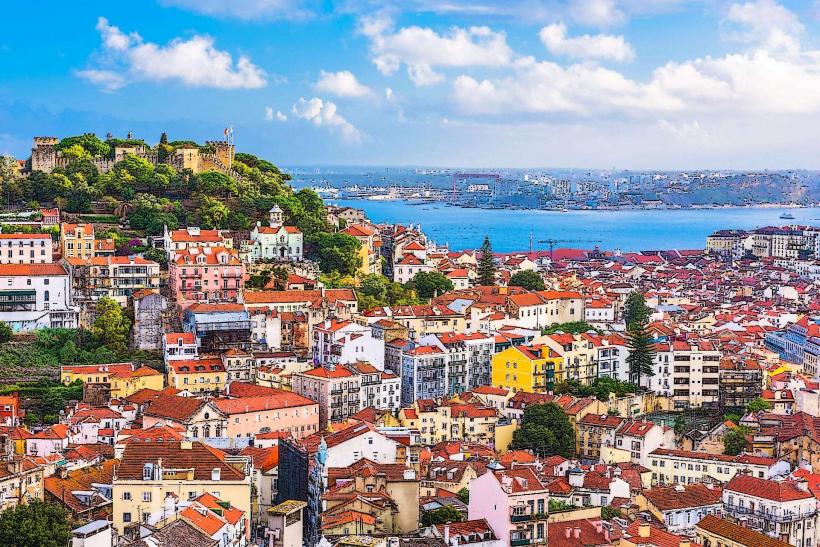
- Chiado District: The Carmo Convent is located in the heart of Chiado, one of Lisbon’s most vibrant neighborhoods. Chiado is known for its bohemian atmosphere, with a mix of traditional cafes, boutiques, and cultural spaces. The convent is within walking distance of other key Lisbon landmarks, such as Rossio Square, Baixa, and Bairro Alto.
- Public Transport: The convent is easily accessible by public transport. The nearest metro stations are Baixa-Chiado (Blue and Green Lines) and Rossio (Green Line). There are also tram and bus stops nearby, making it convenient for visitors to access from other parts of the city.
- Opening Hours: The Carmo Convent is generally open to the public daily, though it may be closed for special events or holidays. The museum and ruins can be visited during normal operating hours, with guided tours available for those interested in learning more about the history of the site.
6. Visitor Experience
- Admission: There is an entrance fee for visiting the Carmo Convent and the Archaeological Museum, which contributes to the preservation and maintenance of the site. The fee grants access to both the ruins and the museum.
- Guided Tours: Visitors can explore the convent independently or opt for a guided tour to gain a deeper understanding of its history and significance. The tours typically cover the ruins, the museum collections, and the historical context of the site.
- Atmosphere: The Carmo Convent offers a unique and reflective experience. The combination of ruined architecture, art exhibitions, and quiet cloisters provides a tranquil yet poignant visit. The sense of history and loss is palpable, and the open-air space encourages reflection on Lisbon’s past.
7. Summary
The Carmo Convent is a remarkable and atmospheric landmark that encapsulates both the beauty and tragedy of Lisbon’s history. Its Gothic architecture, dramatic ruins, and role in the 1755 earthquake make it a must-visit for anyone interested in the city's cultural heritage. Today, as a museum, it not only preserves the remnants of Lisbon’s past but also educates visitors about the country’s evolution through its impressive collection of artifacts. The convent stands as a symbol of resilience and historical continuity, making it one of Lisbon’s most fascinating and evocative sites.