Information
Landmark: Cerro de los BurrosCity: Tacuarembo
Country: Uruguay
Continent: South America
Cerro de los Burros, Tacuarembo, Uruguay, South America
Cerro de los Burros – Tacuarembó, Uruguay
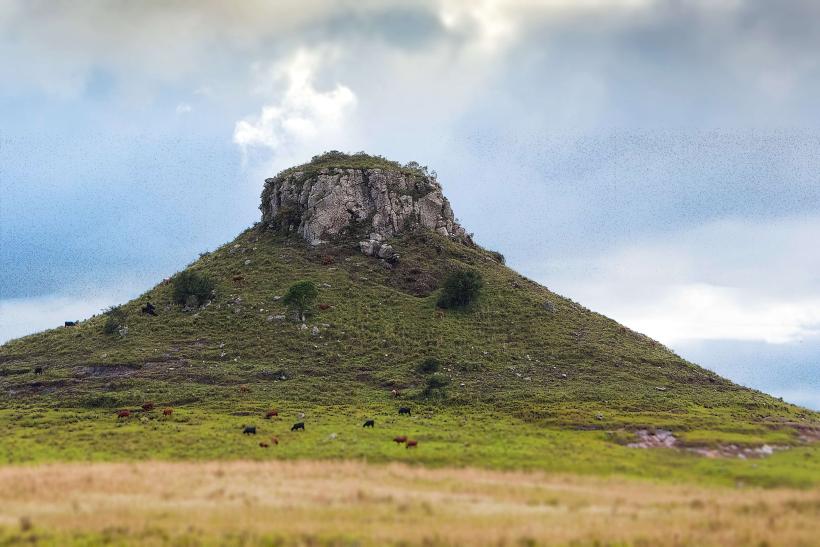
Cerro de los Burros (Hill of the Donkeys) is a prominent natural landmark located in the Tacuarembó department in central Uruguay. It is one of the area's most well-known geographic features, offering visitors a combination of scenic views, historical significance, and opportunities for outdoor activities. The hill is a popular spot for nature lovers, hikers, and anyone seeking to enjoy the natural beauty of Uruguay's interior regions.
Geographical Features
- Cerro de los Burros stands as one of the highest points in the region, offering sweeping views of the surrounding countryside. From its peak, visitors can enjoy panoramic vistas of the Tacuarembó landscape, which is dotted with rural farms, rolling hills, and forests. It is an excellent spot for photography and appreciating the vast, open terrain of the region.
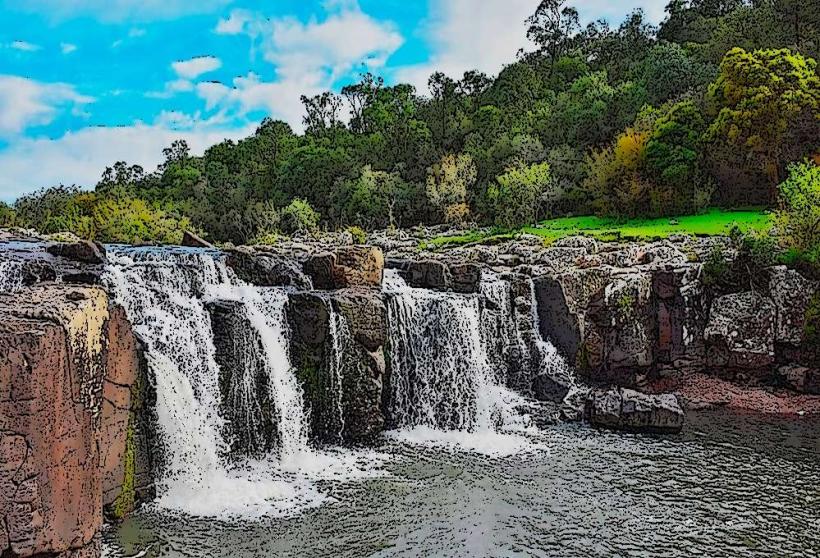
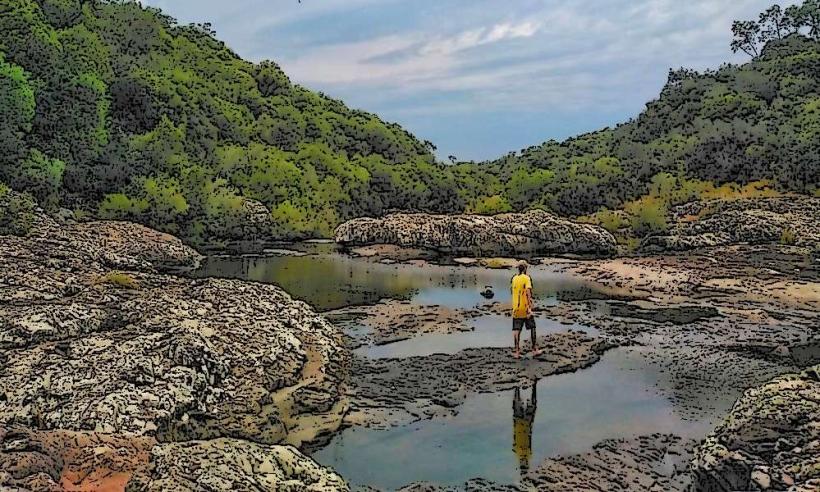
- The hill is composed of natural rock formations, and the summit provides a remarkable view of the Rio Tacuarembó and the expansive plains. It is a key landmark in the area, making it a recognizable feature for both locals and visitors.
Historical Significance
The Cerro de los Burros holds a certain degree of historical significance for the region, though much of its story is intertwined with local traditions and folklore. The name “Cerro de los Burros” (Hill of the Donkeys) is believed to have originated from the story of donkeys (burros) being used as pack animals, perhaps during a past era when the area was more remote and rural.
Over the years, the hill has been associated with several local legends and stories, making it a place of both cultural and historic importance. Its prominence in local narratives continues to be celebrated in oral history passed down through generations.
Outdoor Activities
Cerro de los Burros is a popular destination for those interested in outdoor activities, particularly those who enjoy nature hikes and exploration.
1. Hiking and Trekking
- The hill is well-suited for hiking and trekking enthusiasts. There are several trails that lead to the summit, providing an exciting and moderate challenge for outdoor adventurers.
- As you ascend the hill, visitors can enjoy the diverse flora and fauna that are typical of the area, including native plants, birds, and small wildlife. The walk up is often considered invigorating, and the climb to the top rewards hikers with incredible views of the region.
2. Panoramic Views
- Upon reaching the summit of Cerro de los Burros, visitors are treated to panoramic views of the surrounding landscape. The Tacuarembó plains, forests, and the winding river can all be seen from this high vantage point. The breathtaking view provides an opportunity for quiet reflection and photography, particularly during sunrise or sunset when the light creates a stunning display of colors over the landscape.
3. Birdwatching and Nature Observation
- The natural environment surrounding the hill is home to a variety of birds and wildlife, making it a good spot for birdwatching and wildlife observation. Those interested in observing local fauna can find a range of species that inhabit the area, particularly in the early morning or late evening.
- The diverse ecosystems found in the vicinity of Cerro de los Burros make it an ideal location for anyone interested in ecotourism.
Access and Visiting Information
- Location: Cerro de los Burros is located within the Tacuarembó department, easily accessible from the city of Tacuarembó itself. The hill is situated in a rural area, meaning that visitors should be prepared for a drive through unpaved roads, particularly if they want to explore the surrounding natural beauty in detail.
- Access: While the hill is open to the public, visitors should be aware that access to the summit may involve some rugged paths. Depending on the season, certain areas may become more challenging to navigate, particularly if rainfall has made the trails muddy or slippery.
- Best Time to Visit: The best times to visit are during the spring and summer months (October to March) when the weather is more temperate and the paths are easier to navigate. However, it can also be visited in the autumn months when the changing colors of the surrounding foliage provide an interesting visual experience.
Cultural and Social Importance
While Cerro de los Burros is not widely known on a national level, it holds strong cultural importance in the Tacuarembó area. The hill is a popular site for local events and gatherings, where families and communities come together to enjoy outdoor activities. It may also be a place of spiritual significance for some, particularly due to its association with local folklore.
Additionally, it is an example of the close connection that many Uruguayans have with their natural environment. The hill represents the harmonious relationship between the local community and the land, reflecting the values of self-sufficiency, resilience, and respect for nature that are central to rural life in the region.
Conclusion
Cerro de los Burros is a beautiful and historic landmark located in the heart of Tacuarembó. It is a destination that offers not only stunning views of the surrounding landscape but also an opportunity to explore the region’s natural beauty and cultural heritage. Whether you are a local resident or a visitor, a trip to Cerro de los Burros promises a rewarding outdoor adventure, with the chance to connect with nature, experience the region's history, and enjoy one of Uruguay's scenic gems.