Information
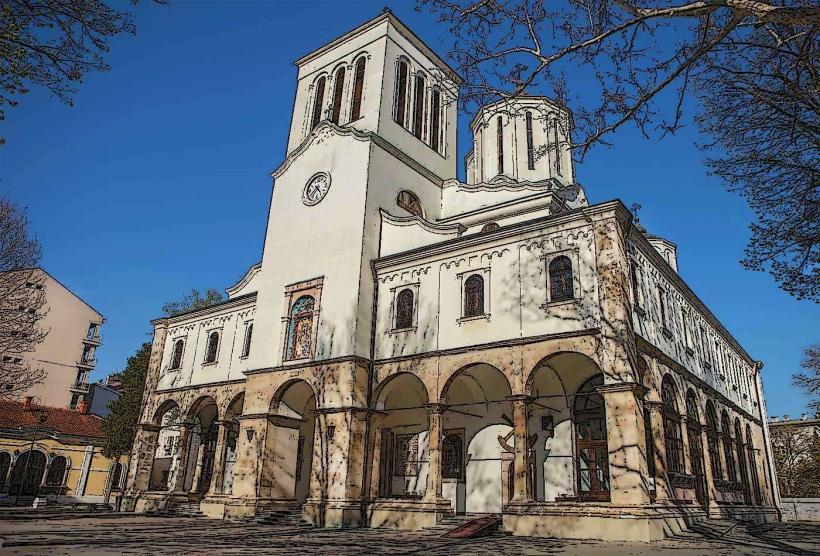
Landmark: Church of St. ProcopiusCity: Nis
Country: Serbia
Continent: Europe
Church of St. Procopius, Nis, Serbia, Europe
The Church of St. Procopius in Prokuplje, Serbia, is one of the most significant medieval churches in the region, renowned for its historical, cultural, and architectural value. It is dedicated to Saint Procopius, a 4th-century martyr venerated as the protector of Prokuplje. Here’s an in-depth exploration of its history, features, and significance:
Historical Background
Origins and Early Development:
- The church was originally constructed in the 10th or 11th century, during the Byzantine era, making it one of the oldest preserved Christian churches in Serbia.
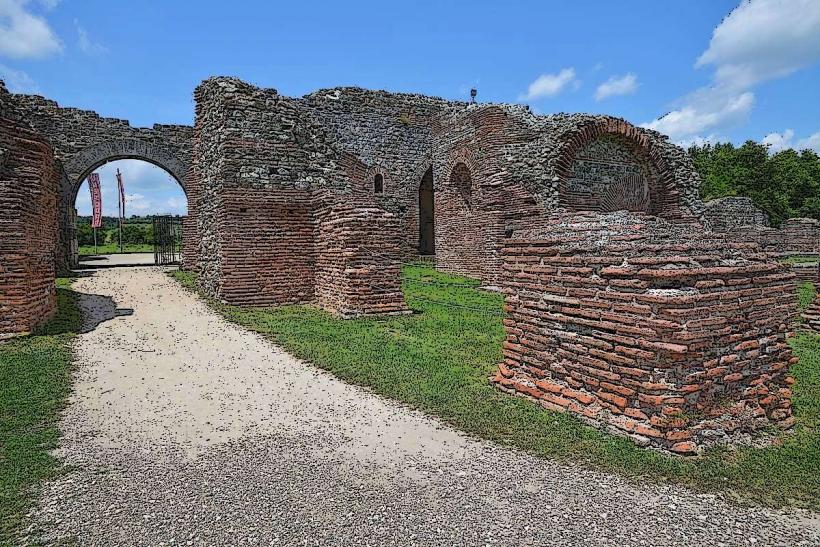
- It is believed to have been built on the foundations of an earlier structure, possibly a Roman basilica or temple. Archaeological evidence suggests the presence of a necropolis and early Christian worship in the area.
Medieval Period:
- The church gained prominence under the Serbian rulers of the Nemanjic dynasty, particularly in the 12th and 13th centuries.
- It became a central place of worship in the Toplica region, serving both as a parish church and a burial site for local nobility.
Ottoman Period:
- After the Ottoman conquest in the late 14th century, the church was repurposed into a mosque. This period saw alterations to its structure, including the removal of Christian iconography and the addition of Islamic architectural elements, such as a minaret.
Modern Era:
- Following Serbia’s liberation from Ottoman rule in the 19th century, the Church of St. Procopius was restored to its original purpose as a Christian church.
- Several restoration projects have since been undertaken to preserve its unique blend of Byzantine, Serbian, and Ottoman architectural features.
Architectural Features
Overall Design:
- The church is a single-nave basilica with a rectangular layout, reflecting a blend of Byzantine and early medieval Serbian styles.
- The structure is built primarily of stone, with brick detailing in the arches and domes.
Interior:
- The church’s interior features remnants of frescoes, some dating back to the 12th century, though many were damaged or lost during the Ottoman era.
- The apse contains a stone altar and remnants of mosaic flooring, suggesting the church’s early Byzantine origins.
Exterior:
- The exterior is simple yet elegant, with semi-circular apses and a central dome. The minimalist design is characteristic of early Byzantine ecclesiastical architecture.
Restoration Influence:
- Elements from its time as a mosque, such as a minaret base, are still visible, reflecting the layered history of the site.
Religious and Cultural Significance
Patron Saint:
- St. Procopius is the patron saint of Prokuplje, and the church is a center for celebrations dedicated to him, especially on his feast day, July 21st.
Historical Role:
- During its history, the church has served as a place of worship for Christians, a mosque for Muslims, and a symbol of religious coexistence and resilience in the region.
UNESCO Consideration:
- Due to its age, architecture, and historical importance, the Church of St. Procopius has been proposed for inclusion on the UNESCO World Heritage list.
Tourism and Accessibility
- The Church of St. Procopius is open to visitors and continues to function as a place of worship.
- Nearby Attractions:
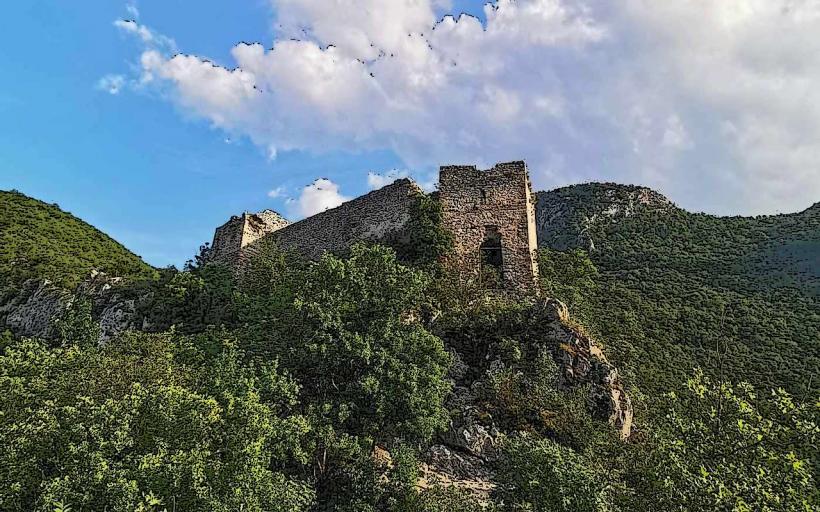
- Hisar Fortress, located on a hill overlooking the church.
- Prokuplje Museum, which displays artifacts related to the church and the local area.
- The site is especially popular during religious festivals and historical reenactments.
Interesting Facts
Relics:
- The church reportedly housed relics of St. Procopius, which attracted pilgrims from across the region during the medieval period.
Symbol of Resilience:
- Despite changes in its function and periods of neglect, the church remains a symbol of Prokuplje's enduring spiritual and cultural identity.
Architectural Layers:
- The combination of Byzantine, Serbian, and Ottoman influences makes the church a rare example of syncretic architecture in the Balkans.
The Church of St. Procopius is not just a historical site but also a living testament to the cultural and religious evolution of the Toplica region. It’s a must-visit for anyone interested in medieval Serbian history and Byzantine architecture.