Information
Landmark: Cross Plains Ice Age TrailCity: Madison WI
Country: USA Wisconsin
Continent: North America
Cross Plains Ice Age Trail, Madison WI, USA Wisconsin, North America
The Cross Plains segment of the Ice Age National Scenic Trail in Wisconsin offers an immersive experience through some of the state’s most distinctive glacial landscapes. Spanning roughly 3.6 miles, this out-and-back trail traverses varied terrain that reflects the powerful forces of the last Ice Age, making it a fascinating destination for hikers interested in geology, ecology, and natural beauty.
Location and Access
The primary access point for the trail is Hickory Hill Conservancy Park, located near the village of Cross Plains in Dane County. This park serves as the trailhead and provides parking, restrooms, and trail information for visitors. The trail also connects to the nearby Glacial Passage Area, an extensive 11.5-mile network of trails that further explores the unique glacial topography of the region. Additional access points include the S.B. Andersen Memorial Preserve, offering alternate entry for hikers seeking varied experiences.
Terrain and Trail Features
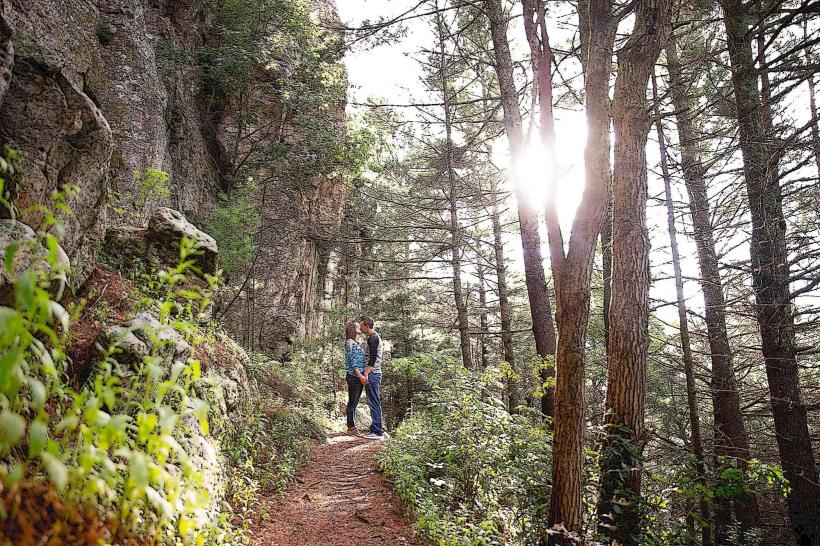
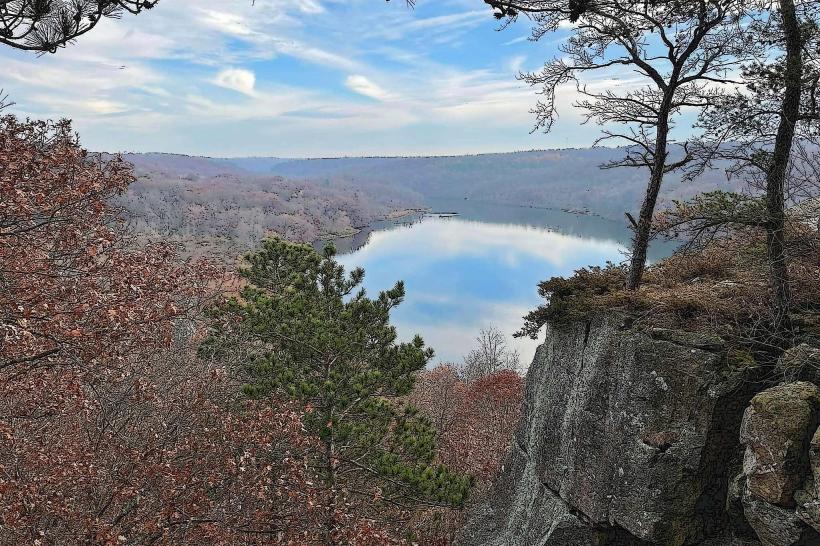
The trail winds through a dynamic landscape shaped by glaciers that covered Wisconsin approximately 12,000 years ago. Hikers pass through dense hardwood forests dominated by oak, maple, and hickory trees, interspersed with open prairies filled with native grasses and wildflowers during warmer months. Elevation changes along the route are moderate, with an overall gain of about 590 feet, allowing for rewarding views without extreme difficulty.
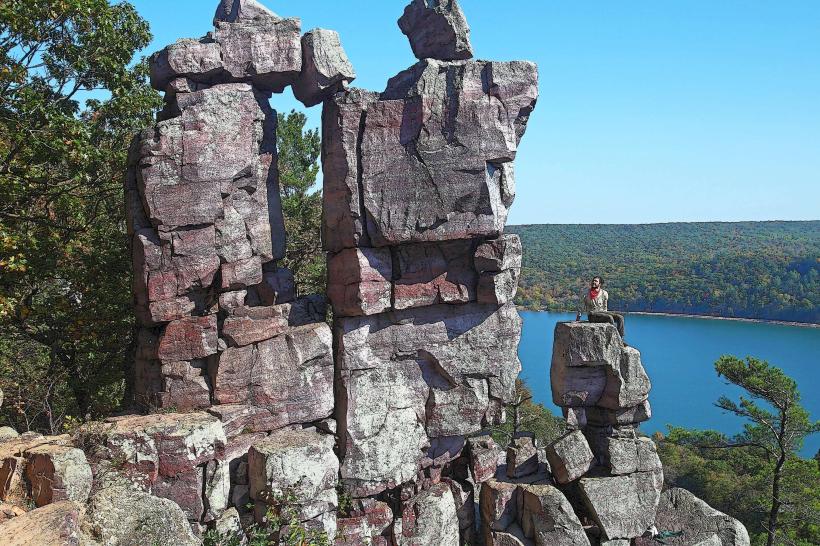
Significant geological features include moraines, kettles, and glacial erratics-large boulders deposited by retreating ice sheets. These formations provide tangible evidence of glacial movement and are often highlighted with interpretive signage that educates visitors on the area's geological history.
Flora and Fauna
The diverse habitats along the trail support a variety of wildlife. Birdwatchers can spot numerous species such as woodpeckers, warblers, and hawks, while small mammals like squirrels and rabbits are common sights. Seasonal wildflowers bloom profusely in spring and summer, adding vibrant colors to the trail corridor. In autumn, the hardwood canopy bursts into brilliant shades of red, orange, and yellow, enhancing the scenic beauty.
Recreational Use and Trail Conditions
The Cross Plains Ice Age Trail segment is suitable for hikers of moderate fitness levels. The trail is well-marked and maintained, offering a clear path through varied terrain that includes forest floors, gentle slopes, and open hilltops. It is open year-round, with hiking popular in spring, summer, and fall, while winter sees visitors enjoying snowshoeing or cross-country skiing when conditions permit.
No vehicle admission sticker is required to access this trail segment, making it freely available to the public. Dogs are allowed but must be kept on a leash to protect wildlife and other trail users.
Nearby Attractions and Community Involvement
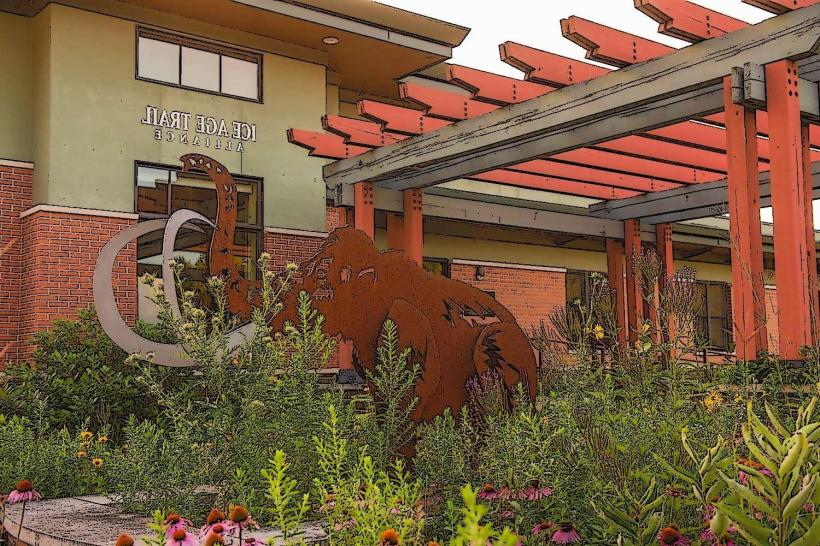
Cross Plains is recognized as an official Ice Age Trail Community, reflecting local commitment to preserving and promoting the trail. The Ice Age Trail Alliance, headquartered in downtown Cross Plains, supports conservation efforts and offers resources for visitors.
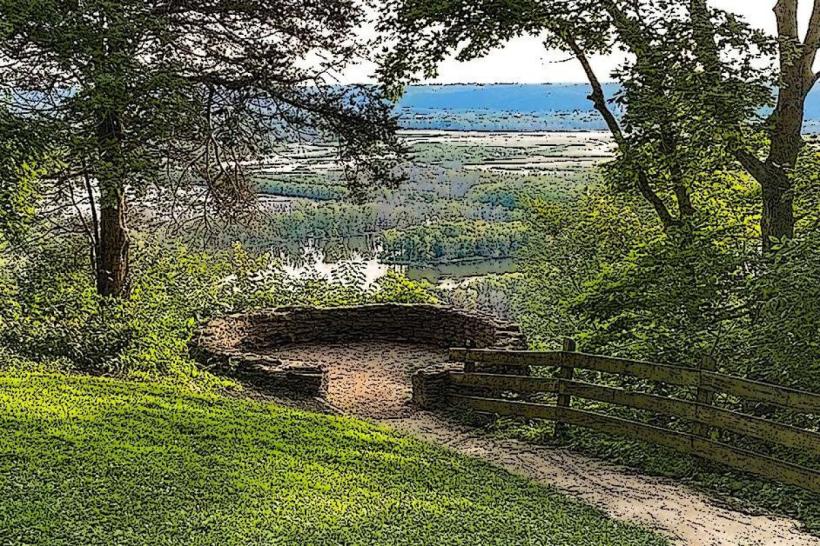
Nearby, Cross Plains State Park offers additional hiking trails and overlooks that showcase the contrast between glaciated and driftless landscapes, further enriching the outdoor experience.
Practical Tips
Visitors should wear sturdy footwear suited for uneven terrain and be prepared with water, snacks, and weather-appropriate clothing. Because the trail passes through natural habitats, it is advisable to follow Leave No Trace principles, stay on designated paths, and respect wildlife.
The Cross Plains segment of the Ice Age Trail delivers an engaging mix of natural history, scenic beauty, and accessible outdoor adventure. It invites visitors to step back in time to Wisconsin’s glacial past while enjoying the peaceful surroundings and community spirit of the region.