Information
Landmark: Downtown Historic DistrictCity: Ottawa
Country: USA Kansas
Continent: North America
Downtown Historic District, Ottawa, USA Kansas, North America
The Downtown Historic District in Ottawa, Kansas, is a designated area preserving the city's early commercial and civic architecture.
It is situated in the central business district of Ottawa, Kansas.
Visual Characteristics
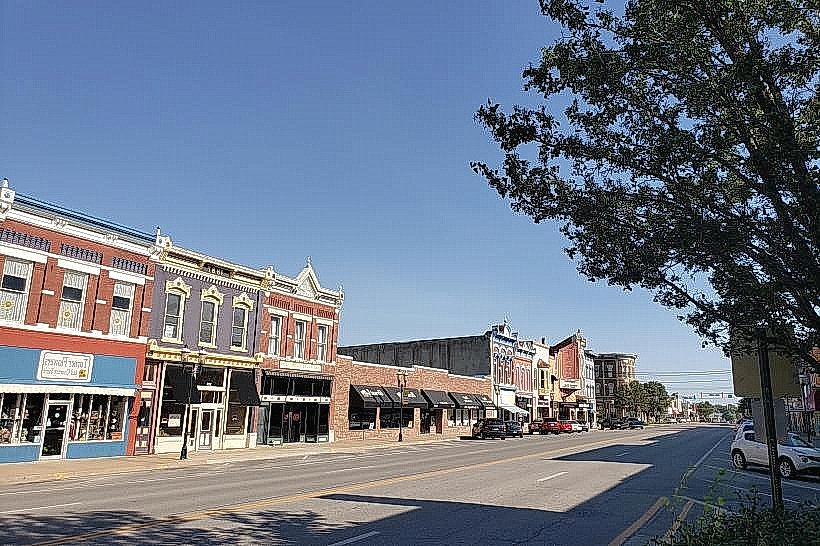
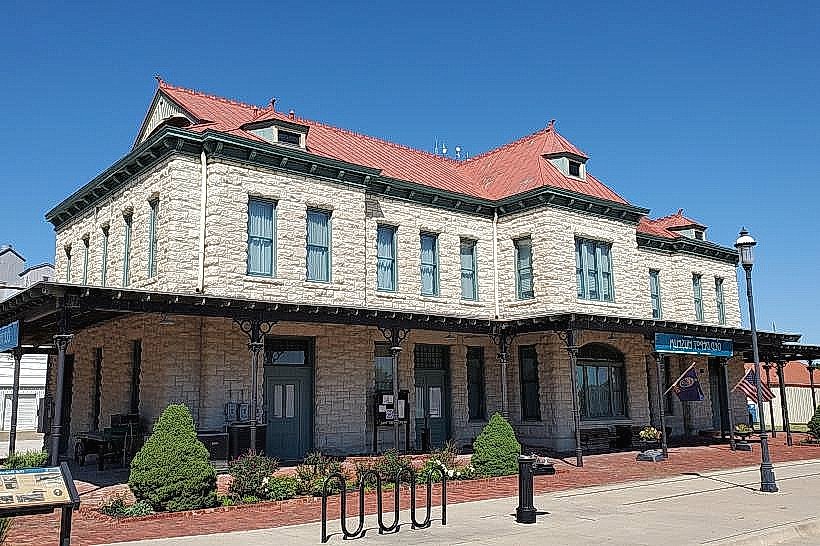
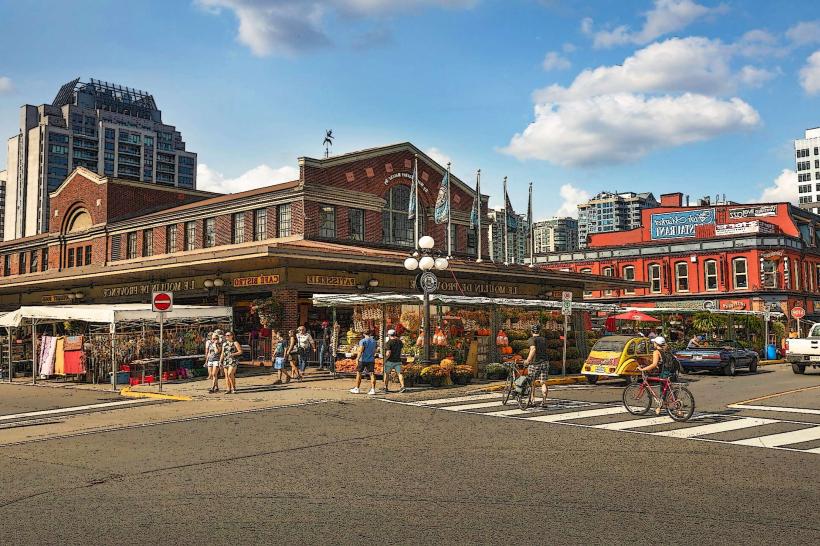
The district features a concentration of late 19th and early 20th-century commercial buildings. Predominant materials include red brick, limestone, and cast iron. Architectural styles represented include Italianate, Romanesque Revival, and Art Deco. Building heights generally range from two to four stories. Many structures retain original detailing such as cornices, decorative brickwork, and large display windows.
Location & Access Logistics
The district is located within the core of Ottawa, Kansas, bordered by Main Street to the east, Elm Street to the west, 1st Avenue to the north, and 4th Avenue to the south. It is approximately 50 miles south of Kansas City, Missouri, accessible via Interstate 35 South to Exit 199 (US-59 South), then following US-59 South into Ottawa. Parking is available in metered street parking along Main Street and adjacent side streets, as well as in a public parking lot located at the corner of Main Street and 3rd Avenue. Public transportation options are limited; the nearest transit hub is the Ottawa Amtrak Station, approximately 1 mile west of the district.
Historical & Ecological Origin
The Downtown Historic District developed primarily between the 1870s and the 1930s, coinciding with Ottawa's growth as a railroad and agricultural center. Key buildings were constructed by local merchants and civic organizations to support the expanding population and economy. The original purpose was to serve as the commercial and administrative heart of the city.
Key Highlights & Activities
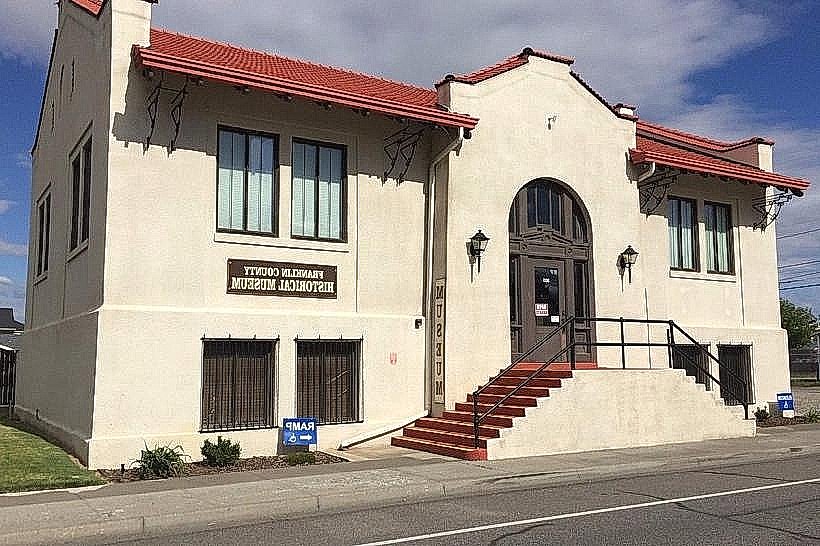
Walking tours of the district are possible, focusing on architectural details. Shopping is available in independent retail stores. Dining options include cafes and restaurants. The Franklin County Historical Society Museum, located within the district, offers exhibits on local history.
Infrastructure & Amenities
Restrooms are available within most businesses and restaurants. Shade is provided by awnings and trees along some sidewalks. Cell phone signal (4G/5G) is generally consistent throughout the district. Food vendors are present in the form of established restaurants and cafes.
Best Time to Visit
For photography, early morning or late afternoon light provides optimal illumination of building facades. The best months for visiting are April through October, offering mild weather. No specific tide requirements apply.
Facts & Legends
A notable historical oddity is the former location of the Grand Opera House, which stood on Main Street and hosted traveling theatrical troupes in the late 19th century. It was demolished in the 1950s.
Nearby Landmarks
- Franklin County Historical Society Museum (0.1km North)
- Ottawa Public Library (0.3km West)
- Marvin United Methodist Church (0.4km Northwest)
- Central Park (0.2km North)