Information
Landmark: Franklin County Historical MuseumCity: Ottawa
Country: USA Kansas
Continent: North America
Franklin County Historical Museum, Ottawa, USA Kansas, North America
Overview
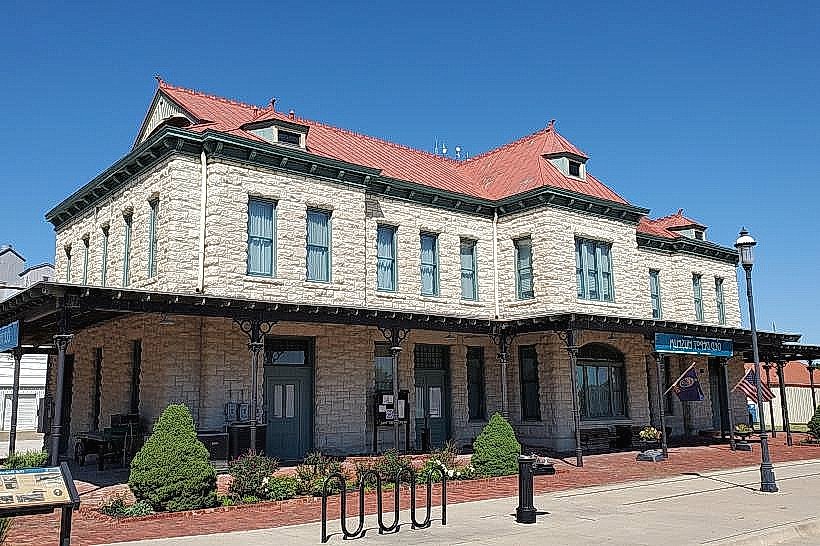
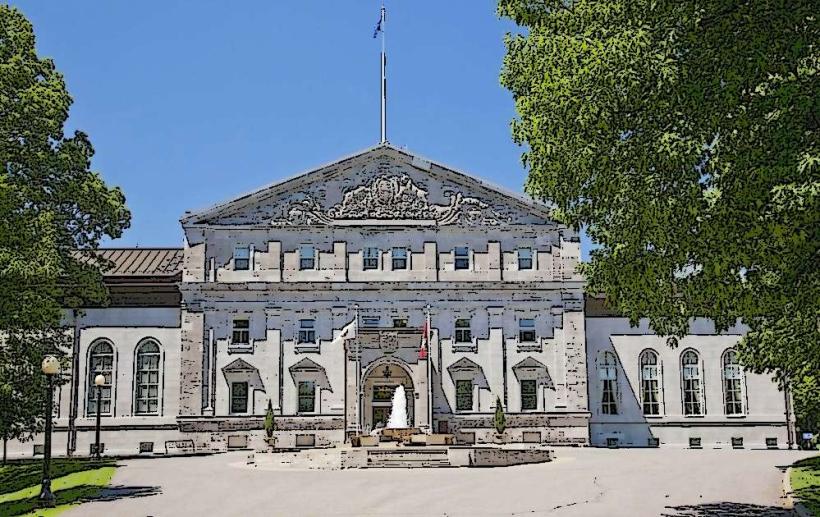
In downtown Ottawa, Kansas, the Franklin County Historical Museum offers carefully curated exhibits that preserve and share the stories of Franklin County and the broader eastern Kansas area, from weathered farm tools to faded photographs, in addition housed in a lovingly restored Carnegie Library from the early 1900s, the museum blends graceful architecture with the cozy feel of slight-town storytelling, welcoming visitors eager to explore the people, trades, and moments that shaped this corner of Kansas-right down to the scent of ancient pine shelves.The museum was founded to preserve Franklin County’s shared history, tracing its roots to the 1850s, when the dusty main road carried pioneers, abolitionists, and early settlers heading west, moreover the building itself-a Carnegie Library built in 1903-brings an added sense of history, like the quiet creak of its vintage wooden floors.Its limestone façade, tall arched windows, and crisp neoclassical trim make it a proud landmark of early 1900s civic life, where children once hurried through its doors with books under their arms, as well as in 2011, after months of careful restoration and a few fresh coats of paint, the building reopened as the Franklin County Historical Museum, run by the Franklin County Historical Society.Wandering through the museum’s galleries, you move from one century to the next, exploring permanent and changing displays that capture everything from Franklin County’s earliest farms to the scent of fresh ink in its aged printing shop, subsequently the displays are thoughtfully put together, blending artifacts, faded photographs, handwritten letters, and bursts of sound and film to draw guests deep into each era.Pioneer and Settlement Era: Step into the 1850s, where settlers faced harsh winters and hard-won victories, surrounded by their worn tools, hand-stitched clothing, and weathered maps, not only that tales of wagon ruts in dry earth, Native American trade paths, and the first rough-hewn cabins make the frontier era feel alive.Close to the bloody border clashes between pro-slavery and free-state factions, the county played a front-row role in the Bleeding Kansas era; this section traces those turbulent years, the rise of abolitionist efforts, and how local residents threw their weight behind the Union cause, equally important vintage tractors, worn grain tools, and faded photographs show how farming-especially corn, wheat, and livestock-grew into the backbone of the region’s economy.Everyday Life and Community Growth: You’ll discover vintage clothing, well-loved toys, and sturdy oak chairs from Ottawa’s early 20th-century homes, each piece opening a modest window into the rhythm of family life and the city’s growth, likewise education and innovation take center stage in a tribute to Ottawa University and nearby schools, reflecting the county’s deep-rooted commitment to learning and progress you can detect in every busy classroom.One highlight of the museum is its hands-on genealogy and research center, where visitors can leaf through heritage county records, study faded photographs, and explore archives for personal or academic projects, what’s more historians and descendants come here to follow the threads of family stories in Kansas, sometimes pausing over a faded name in an timeworn ledger.As you can see, The museum also puts on rotating themed exhibits, like “Main Street Through the Years” and “Voices of Franklin County,” showcasing oral histories and rare photographs-one image might show a dusty storefront from a century ago-pulled from private collections, to boot architecture and setting come together in the museum’s building, a historic gem with weathered stone that seems to hold the echo of heritage footsteps.The soaring ceilings, graceful wooden arches, and warm glow of vintage lamps capture the charm of the early 1900s, while modern climate control quietly safeguards the fragile artifacts, as a result seasonal flowers brighten the landscaped grounds, and at the main entrance you’ll often spot local artwork or a bold banner announcing the next community gathering.Inside, the quiet air and gleaming wooden floors bridge past and present, making history feel close-like the warm grain of the wood under your fingertips, therefore beyond its exhibits, the Franklin County Historical Museum doubles as a welcoming hub where neighbors swap stories over coffee.It often hosts lectures, leads strolls past Ottawa’s vintage stone buildings, and runs hands-on heritage workshops open to both locals and travelers, consequently each year brings heritage festivals alive with music, cozy holiday open houses, and exhibits marking local anniversaries.Local school groups often come for hands-on programs that pull history off the page and into real life-like holding a weathered brick from the aged town hall, simultaneously visiting the Franklin County Historical Museum feels personal and welcoming, with exhibits that share rich stories and stretch far beyond what you’d expect from a tiny-town museum, loosely Staff and volunteers often swap stories or point visitors to hidden bits of history-like Ottawa women pushing for the vote, or the clatter of early trains linking the town to Kansas City, at the same time the warm scent of aged paper and freshly polished wood hangs in the air, and as visitors drift from one display to the next, they can feel they’re walking straight into the lives of those who built the town from bare prairie soil.The Franklin County Historical Museum protects the area’s rich past while inviting future generations to learn from it-like pausing to study a worn quilt stitched more than a century ago, moreover it reflects Franklin County’s spirit-not only in the artifacts on display, but in the warm voices, bold ambitions, and quiet resilience of the people who call it home, slightly If you’re passing through Ottawa, this isn’t just a museum-it’s a doorway into the story of how a quiet Kansas town helped shape the wider tale of the American Midwest, right down to the worn wooden floors that still creak under your steps.
Author: Tourist Landmarks
Date: 2025-10-11