Information
Landmark: Lincoln Street Historic DistrictCity: Ottawa
Country: USA Kansas
Continent: North America
Lincoln Street Historic District, Ottawa, USA Kansas, North America
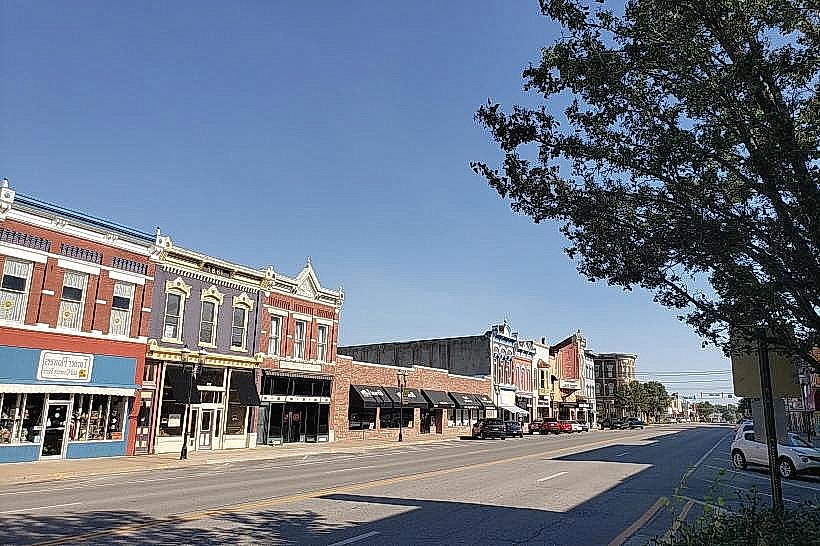
The Lincoln Street Historic District is a designated area in Ottawa, Kansas, preserving a collection of early 20th-century residential architecture.
This district showcases the architectural styles prevalent in Ottawa during its period of growth.
Visual Characteristics
The district features primarily wood-frame houses, many with clapboard or shingle siding. Common architectural styles include Queen Anne, Craftsman, and Colonial Revival. Structures generally range from one to two stories in height. Exterior colors vary but often include muted earth tones, whites, and grays. Architectural details such as decorative porches, gabled roofs, and varied window shapes are prevalent.
Location & Access Logistics
The Lincoln Street Historic District is located approximately 1 mile (1.6 km) south of downtown Ottawa, Kansas. Access is via Lincoln Street, which runs north-south. Parking is available on street shoulders along Lincoln Street and adjacent residential streets. No specific public transport routes directly serve the interior of the district; however, bus routes serving the downtown area are within walking distance (approximately 1 mile).
Historical & Ecological Origin
The district developed primarily between 1900 and 1940, reflecting the expansion of Ottawa following the railroad's establishment and subsequent economic growth. The homes were constructed by local builders and architects to house the city's growing middle class. The area is situated on relatively flat terrain, typical of the prairie landscape of eastern Kansas.
Key Highlights & Activities
Walking tours focusing on architectural styles are possible. Observation of exterior building features and landscaping is the primary activity. Photography of the residential architecture is permitted.
Infrastructure & Amenities
Restrooms are not available within the district itself; public restrooms are located in downtown Ottawa. Shade is provided by mature trees lining the streets. Cell phone signal (4G/5G) is generally available. No food vendors are located within the district; commercial services are available in nearby downtown Ottawa.
Best Time to Visit
For photography, early morning or late afternoon light offers optimal illumination of building facades. The months of April through October provide the most favorable weather conditions for outdoor exploration. No tide considerations apply.
Facts & Legends
A notable feature of some homes in the district is the presence of original stained-glass windows, often featuring geometric patterns or floral motifs, indicative of the craftsmanship of the era.
Nearby Landmarks
- Franklin County Courthouse (0.8km North)
- Ottawa Public Library (1km North)
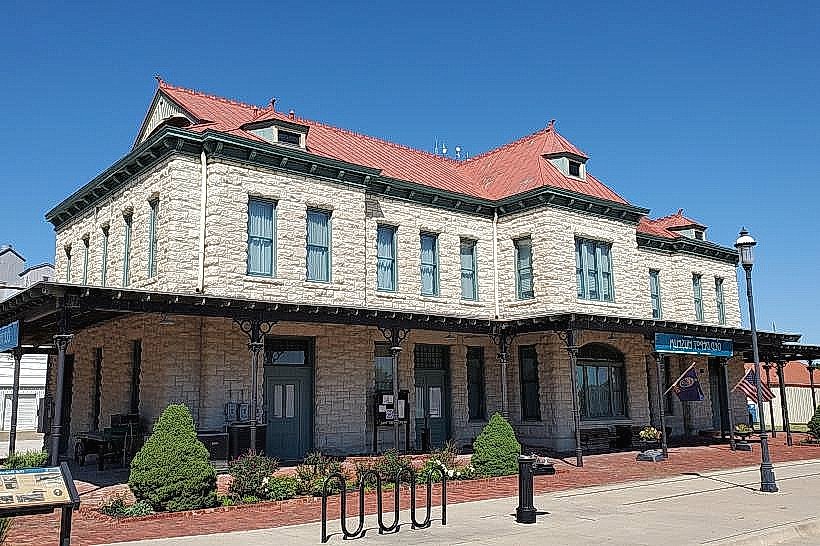
- Old Depot Museum (1.2km North)
- Plaza 10 Theater (1.1km North)