Information
Landmark: Drago PalaceCity: Kotor
Country: Montenegro
Continent: Europe
Drago Palace, Kotor, Montenegro, Europe
Overview
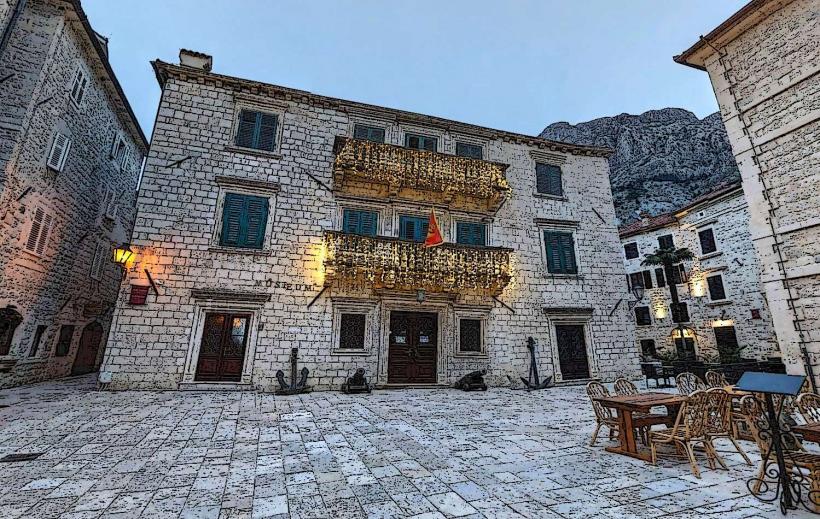
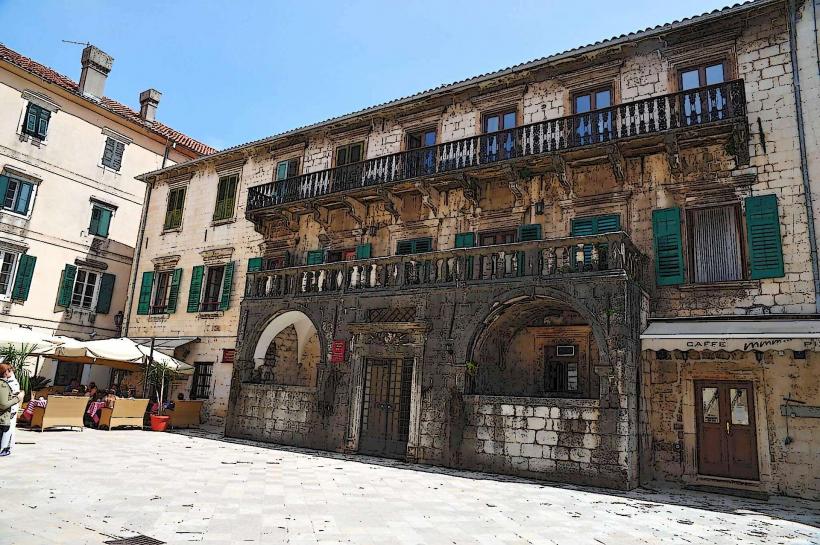
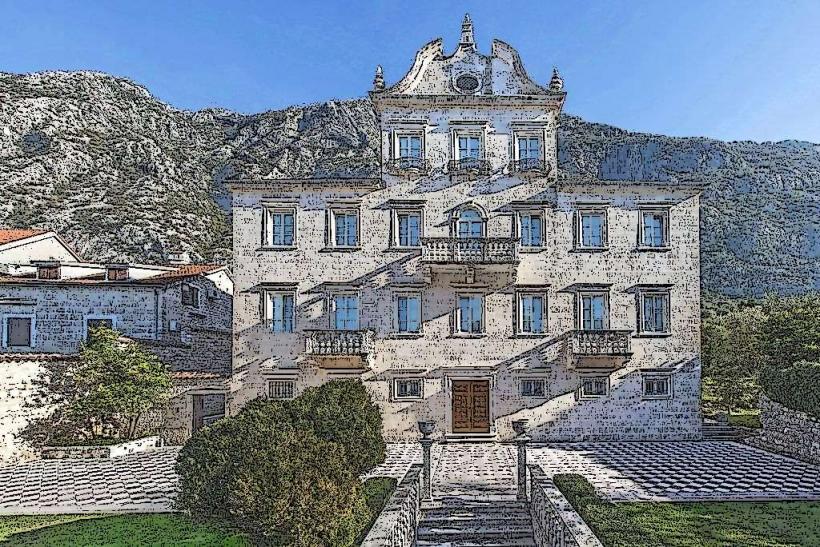
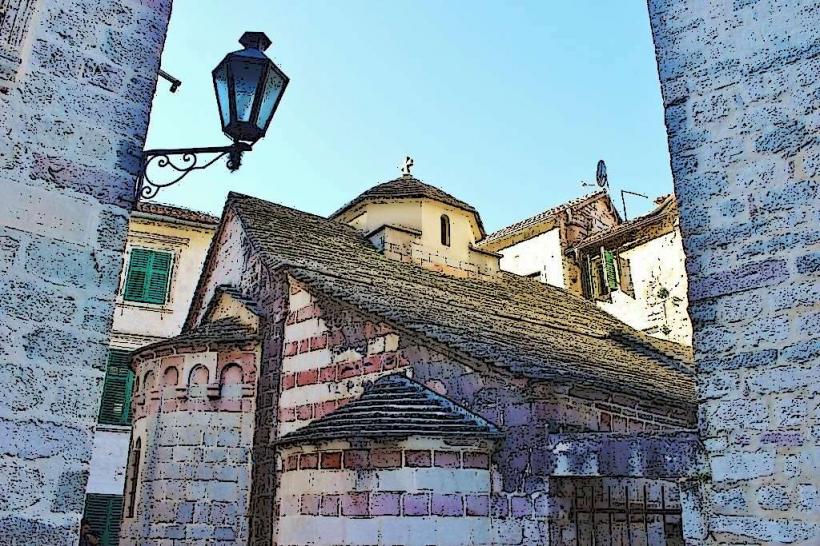
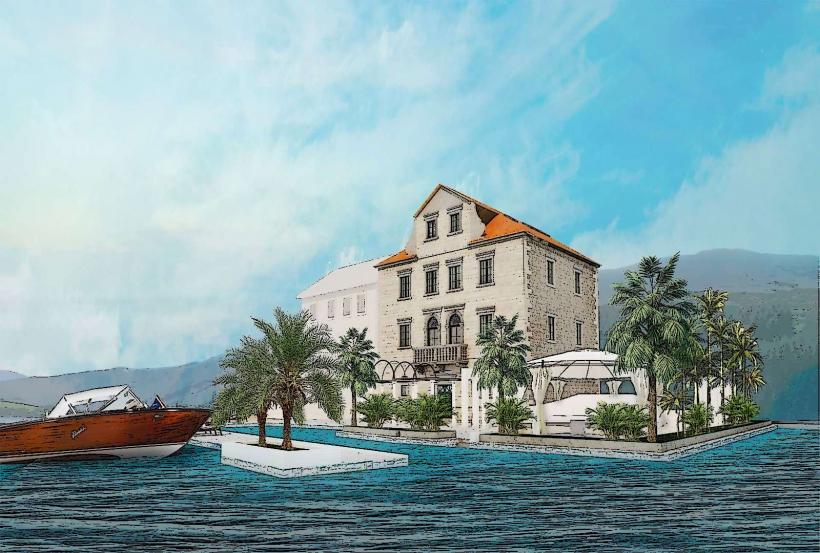
In Kotor’s antique Town, Montenegro, you’ll find Drago Palace (Drago Palata), a striking piece of history with sun‑worn stone walls, simultaneously this Renaissance-style palace stands as a prime example of noble residences from the Venetian era, its stone balconies and carved doorways reflecting the wealth and power of the Drago family, one of Kotor’s most prominent nobles.The Drago Palace rose in the 16th century, when Kotor bustled with merchants’ voices and belonged to the Venetian Republic, alternatively like many palaces in the area, this one rose as the home of a noble family-in this case, the Dragos-whose influence reached deep into Kotor’s politics and the chatter of its candlelit salons.The Drago family ranked among Kotor’s most prominent aristocrats, steering local politics and running bustling trade ventures from the harbor’s edge, in turn the family owed much of its wealth to the bustling maritime trade routes threading through Kotor, where ships heavy with silk and spice made them among the richest in the region at the time.They built the palace to showcase the family’s wealth and standing, and it became their main home in the bustling heart of Kotor’s timeworn Town, where stone walls still echo with footsteps, besides the Drago Palace stands as a fine example of Renaissance design, with graceful arches and balanced proportions, yet it also weaves in touches of the Venetian style that shaped Kotor when the palace was built.Number one, as well as the Drago Palace’s stone facade rises with graceful arches and intricate carvings, its classical style framed by tall, shadowed windows.The building’s design is perfectly symmetrical, its proportions precise and balanced, like the measured lines of a Renaissance facade, in addition main Entrance: A grand stone portal frames the palace’s entry, its carved leaves and curling patterns catching the light and drawing the eye to the building’s rich ornamentation.Tall columns often guard the entrance, and just above them, a carved coat of arms marks the Drago family’s noble standing, consequently windows: The palace boasts tall, arched windows that flood the rooms with sunlight, catching dust motes in the air.Stonework frames each window, and their careful arrangement gives the palace’s facade a balanced, almost musical rhythm, as a result number two.Although the Drago Palace’s interior is usually off-limits, people believe it mirrors other Renaissance palaces in Kotor, with graceful decor, vivid frescoes, and cool, carved stonework along its halls, to boot the palace probably had soaring ceilings, velvet-draped chairs, and intricate carvings that quietly flaunted its owners’ wealth and high standing, to some extent The building’s design reflected Renaissance ideals of proportion and symmetry, with rooms laid out so precisely you could sense the balance in every doorway and window, furthermore the Drago Palace isn’t just admired for its elegant stone arches and graceful design-it also opens a window into the lives of Kotor’s noble families during the Venetian era, in some ways Number one, as a result like many of Kotor’s grand homes, the Drago Palace shows the deep Venetian stamp on the town, from its arched stone windows to the carved lions watching over the square, in some ways Venetian design bore the clear mark of the Renaissance, with its love of symmetry, precise proportions, and graceful classical shapes, still visible today in many of Kotor’s grandest buildings, from arched facades to orderly stone courtyards, after that the palace shows how Kotor’s Venetian nobles flaunted their wealth and tightened their grip on power, raising grand stone façades that caught the sun and the eyes of everyone who passed.Number two, as a result the Drago family’s fortune rode on the ebb and flow of Kotor’s bustling harbor, where the clink of cargo chains and the salt in the air spoke of a town thriving on maritime trade, somewhat The Drago Palace stands as a reminder of how trade and commerce once drove Kotor’s prosperity, and how its nobles shaped the city’s rule and expansion; its weathered stone walls now form part of Kotor’s cultural heritage, officially listed as a historical monument in the vintage Town, itself a UNESCO World Heritage Site, what’s more the palace plays a key role in the city’s rich history, showcasing how Venetian elegance merged with local styles in its arches and stonework.As it turns out, Today, the Drago Palace remains one of Kotor’s most treasured landmarks, after that the palace isn’t open to visitors as a museum, but it stands at the heart of the classical Town, its weathered stone walls adding to the area’s timeless, historic charm.First, as a result the palace sits along Kotor’s heritage Town walking tour, drawing visitors who come for its layered history, graceful stone arches, and rich local culture.With its Renaissance-style arches and ornate stonework, the Drago Palace stands out as a must-view for anyone tracing Kotor’s noble past, to boot you can’t step inside the palace, but you can linger outside and take in its weathered stone walls, still brimming with historic charm.Number two, while like many of Kotor’s historic stone landmarks, the Drago Palace has stayed standing thanks to steady, hands-on conservation work-fresh mortar pressed into its weathered walls year after year.These efforts preserve the building’s architectural integrity, keeping it woven into the city’s living history, what’s more you’ll find the Drago Palace in Kotor’s aged Town, tucked among cobbled streets and other centuries-classical landmarks.You can reach it in minutes on foot from the antique Town’s main squares and winding streets, as a result you can hike right up to the palace and admire its stone arches, but the doors usually stay closed to visitors.Still, visitors can take in the palace’s graceful arches and discover how it shapes the timeworn-world charm of Kotor, along with the Drago Palace stands as one of Kotor, Montenegro’s prized treasures, a setting where centuries-heritage stone walls tell the story of its rich history and striking architecture.Built in the 16th century, it blends elegant Venetian Renaissance lines with the quiet confidence of wealth, a reminder of the Drago family’s grip on Kotor’s politics and bustling trade, not only that today, the palace still stands out in Kotor’s antique Town, helping secure its area on UNESCO’s World Heritage list and giving visitors a vivid taste of the region’s ornate stonework and layered history.
Author: Tourist Landmarks
Date: 2025-08-30