Information
Landmark: El Valle de los Ojos de AguaCity: Merida
Country: Venezuela
Continent: South America
El Valle de los Ojos de Agua, Merida, Venezuela, South America
El Valle de los Ojos de Agua is a natural park located in the foothills of the Sierra Nevada, approximately 15 kilometers southwest of Mérida, Venezuela.
Visual Characteristics
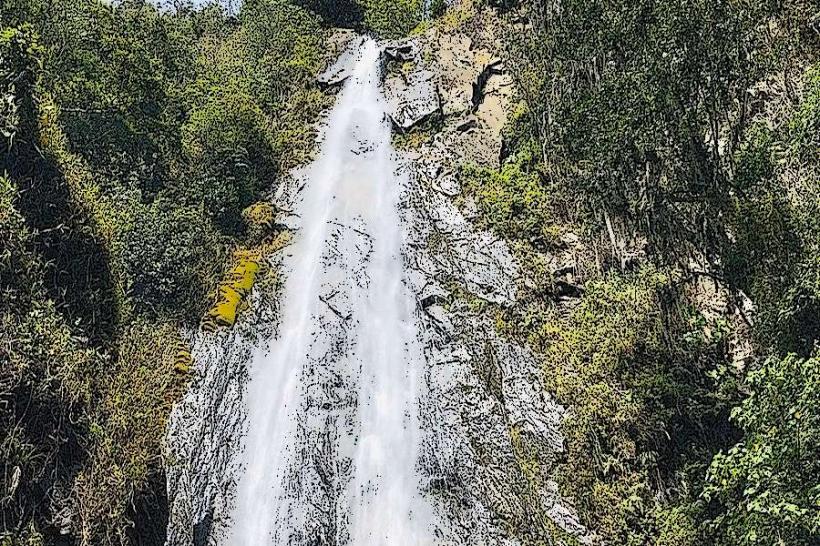
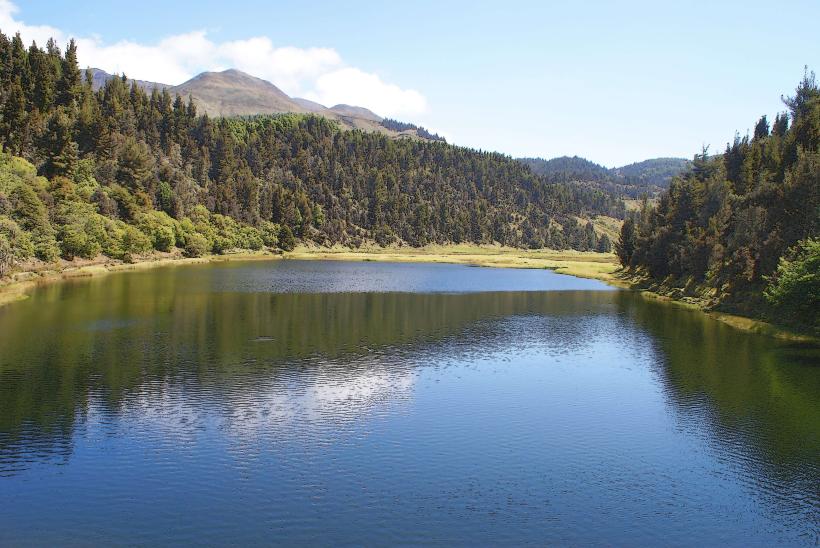
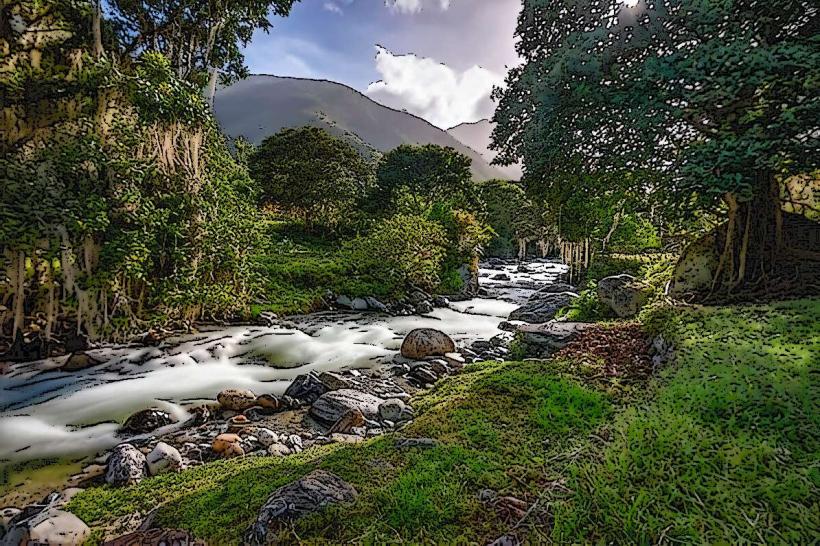
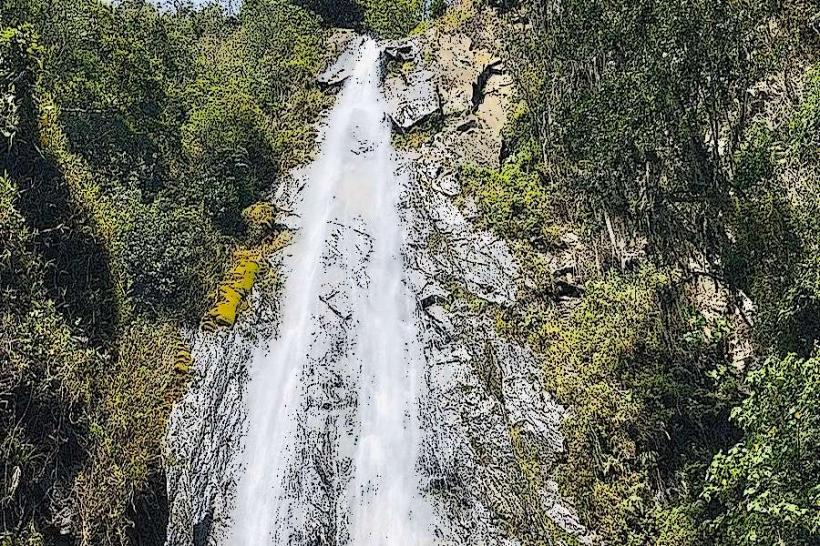
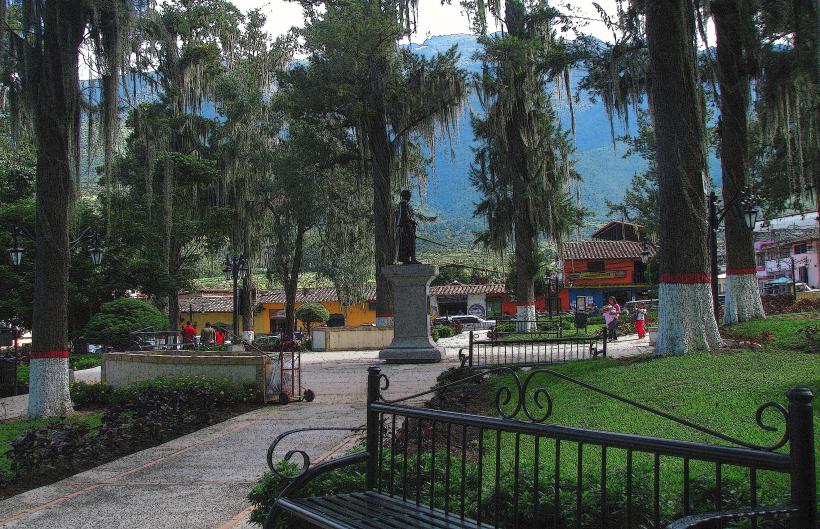
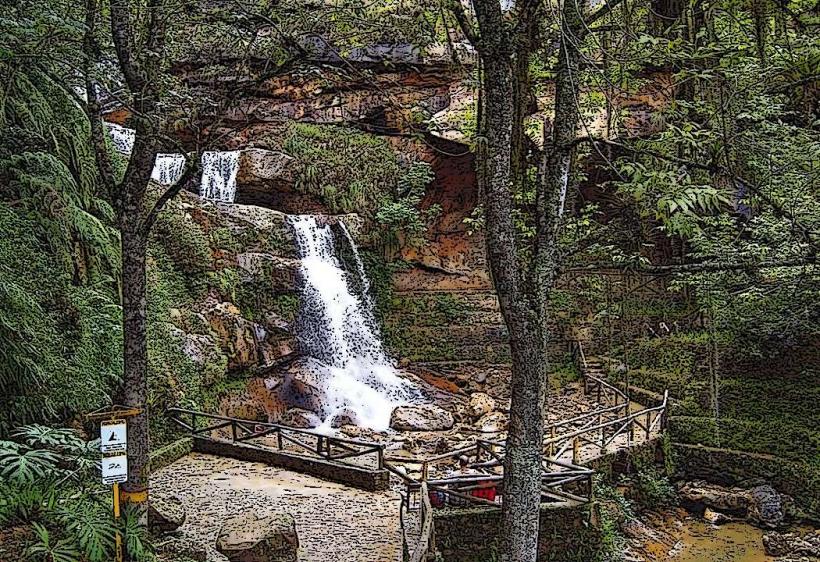
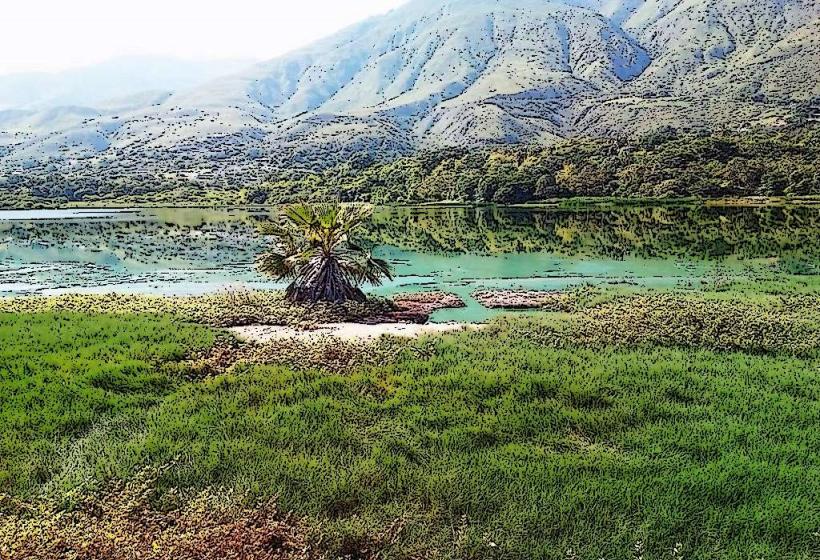
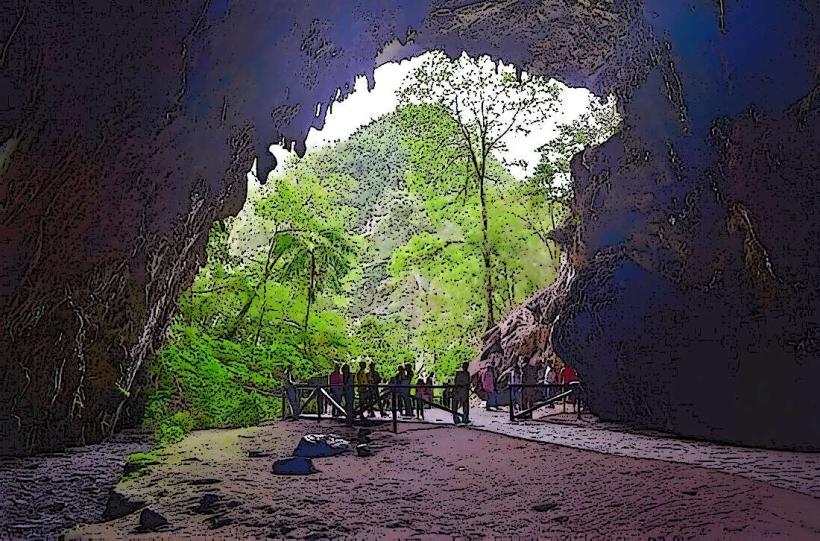
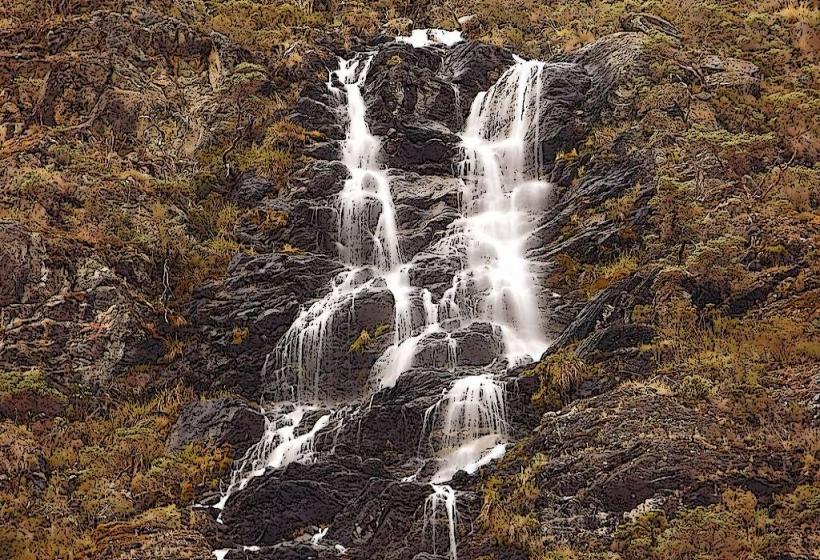
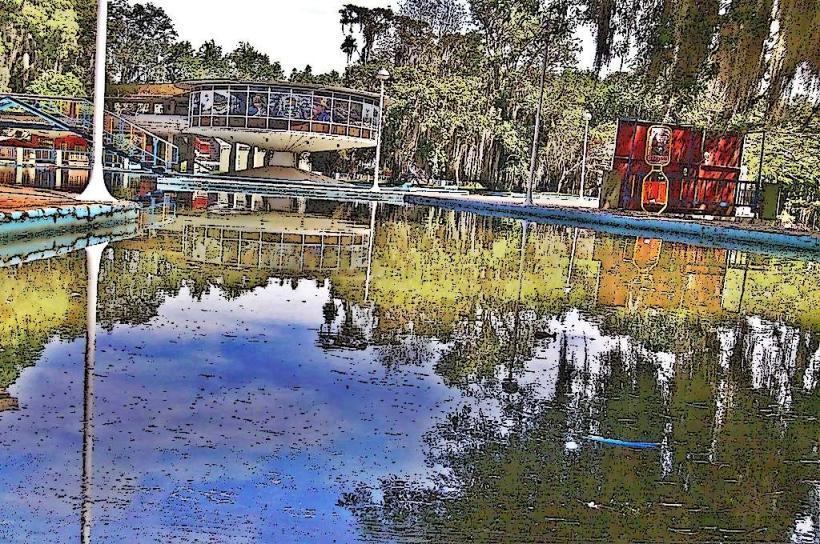
The park features a series of natural pools and small waterfalls formed by clear, cool water flowing over moss-covered rocks. The surrounding vegetation is dense, consisting of tropical and subtropical flora including various tree species, ferns, and flowering plants. The water color ranges from transparent to a light turquoise depending on depth and light penetration.
Location & Access Logistics
Access is via the Carretera Trasandina (National Route 7), heading southwest from Mérida. The turn-off for El Valle de los Ojos de Agua is clearly marked. The park is approximately 15 kilometers from Mérida's city center, with a travel time of about 30 minutes by car. Parking is available at the park entrance. Public transport options are limited; local buses do not service the park directly, requiring a taxi or private vehicle for most visitors.
Historical & Ecological Origin
El Valle de los Ojos de Agua is a geologically formed area where underground springs emerge, creating the network of water features. The ecosystem is classified as a montane forest, characterized by its high biodiversity and specific microclimate influenced by altitude and proximity to the Sierra Nevada range.
Key Highlights & Activities
Visitors can walk along designated trails that follow the watercourses. Swimming is permitted in some of the larger pools. Photography of the natural formations and flora is a common activity. The park is suitable for short hikes and observing local birdlife.
Infrastructure & Amenities
Basic facilities include marked walking paths and some seating areas. Restrooms are available near the main entrance. Shade is provided by the dense tree canopy. Cell phone signal (4G/5G) is generally unreliable within the park. There are no food vendors on-site; visitors should bring their own provisions.
Best Time to Visit
The best time of day for photography is mid-morning to early afternoon when sunlight penetrates the canopy. The dry season, from December to March, offers the most stable weather conditions. Water levels are generally consistent year-round, but heavy rainfall can temporarily increase flow rates.
Facts & Legends
Local folklore suggests the springs possess restorative properties. A specific point of interest is a rock formation resembling a sleeping jaguar, which is said to be a guardian of the valley.
Nearby Landmarks
- Laguna de Mucubají (30km Southeast)
- Parque Nacional Sierra Nevada (10km Southwest)
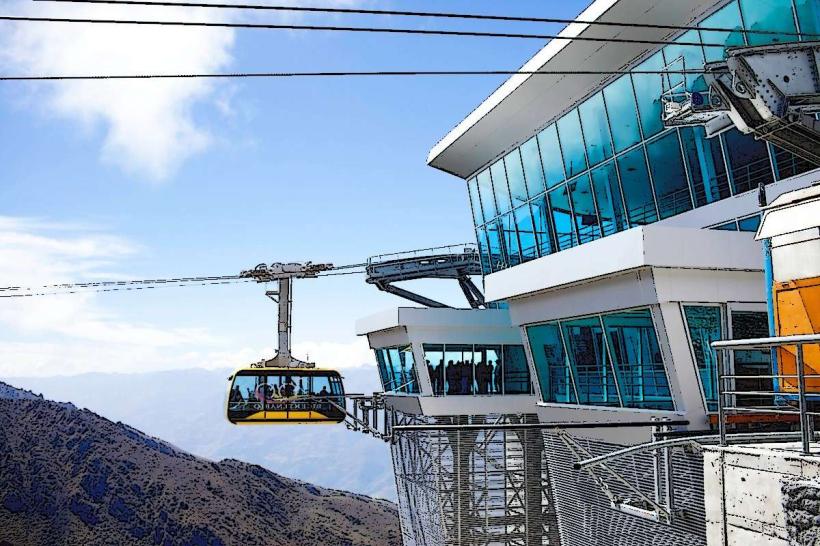
- Teleférico de Mérida (18km Northeast)
- Jardín Botánico de Mérida (16km Northeast)