Information
Landmark: Plaza Bolívar de MéridaCity: Merida
Country: Venezuela
Continent: South America
Plaza Bolívar de Mérida, Merida, Venezuela, South America
Plaza Bolívar de Mérida is the central public square located in the city of Mérida, Venezuela. It serves as a primary gathering space and historical focal point for the urban area.
Visual Characteristics
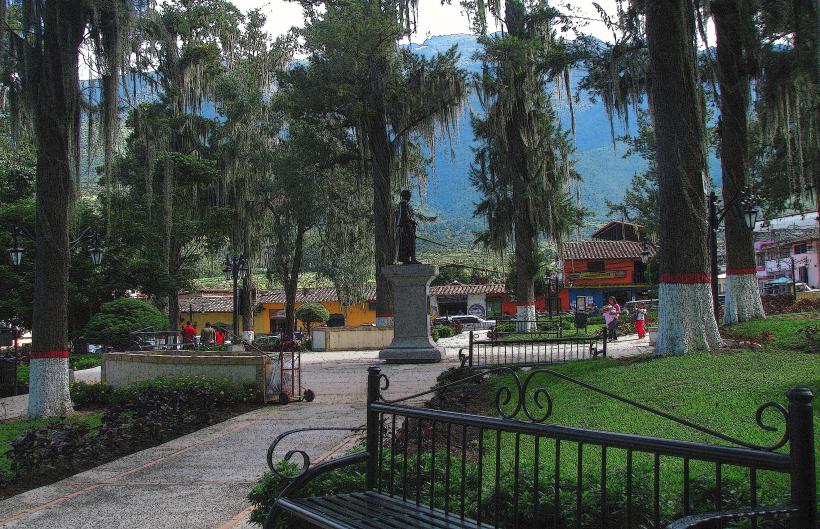
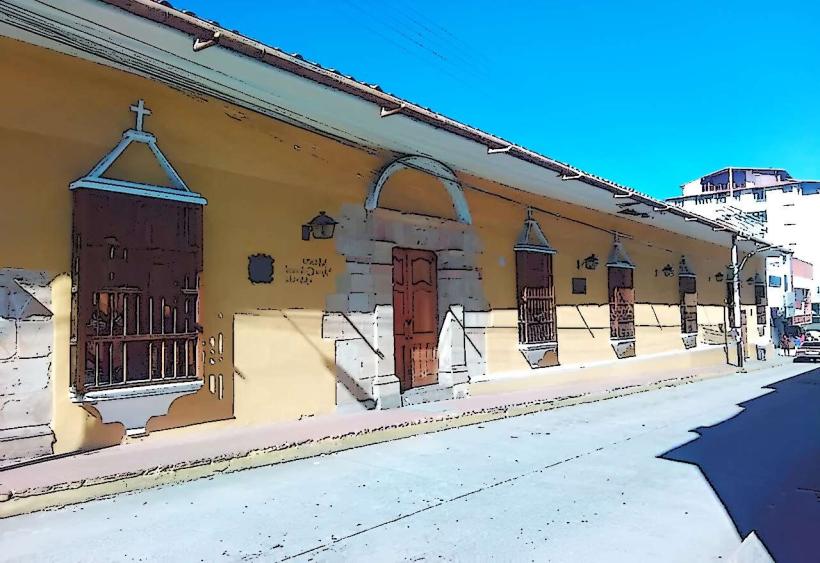
The plaza is paved with interlocking concrete blocks and features a central monument. Surrounding the monument are mature trees providing canopy cover. The perimeter is defined by colonial-style buildings with red-tiled roofs and white facades. The dominant color palette is earth tones with accents of white and green from the vegetation.
Location & Access Logistics
Plaza Bolívar is situated in the geographical center of Mérida. It is accessible via Avenida 2 (General Santiago Mariño) and Calle 20 (Ramos de Lora). The city center is walkable from most surrounding neighborhoods. Public parking is available in multi-story garages approximately 200 meters east of the plaza, such as the Estacionamiento Central. Several local bus routes, including those designated as "Ruta 1" and "Ruta 3," stop within a 100-meter radius.
Historical & Ecological Origin
The plaza was established during the colonial period, with its current layout largely defined in the late 19th century. The central monument, a statue of Simón Bolívar, was erected in the early 20th century. The surrounding buildings represent architectural styles prevalent from the 18th to early 20th centuries. The vegetation consists of species native to the Andean region, adapted to the local climate.
Key Highlights & Activities
Visitors can observe the central equestrian statue of Simón Bolívar. The plaza is a common site for local events and demonstrations. People gather to socialize and rest in the shaded areas. Street vendors often sell local crafts and food items around the perimeter.
Infrastructure & Amenities
Public restrooms are located on the western side of the plaza. Shade is provided by mature trees and some covered benches. Cell phone signal (4G/5G) is generally strong within the plaza. Food vendors are present, offering snacks and beverages.
Best Time to Visit
For photography, the morning hours (8:00 AM - 10:00 AM) offer direct sunlight on the eastern facades of surrounding buildings. The late afternoon (4:00 PM - 6:00 PM) provides softer light. The climate in Mérida is temperate year-round, with the driest months typically being January through March. Rain is more frequent from May to October.
Facts & Legends
A local anecdote suggests that the pigeons in the plaza are descendants of birds brought from Europe during the Spanish colonial era, though this is unverified. A more concrete historical fact is that the plaza has been the site of numerous political rallies and public addresses throughout Venezuela's history.
Nearby Landmarks
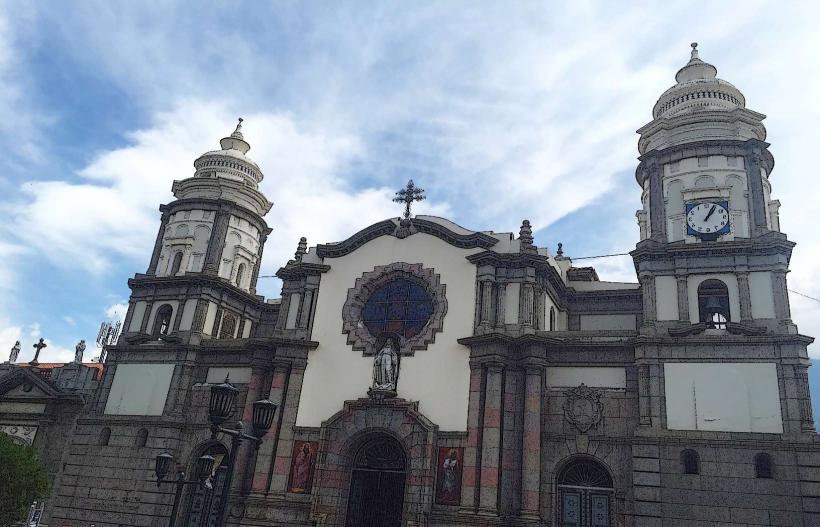
- 0.1km West: Catedral Metropolitana de Mérida
- 0.3km North: Museo Arqueológico de Mérida
- 0.5km Southeast: Teatro César Rengifo
- 0.7km Southwest: Universidad de Los Andes (Rectorado)