Information
Landmark: La Laguna de UraoCity: Merida
Country: Venezuela
Continent: South America
La Laguna de Urao, Merida, Venezuela, South America
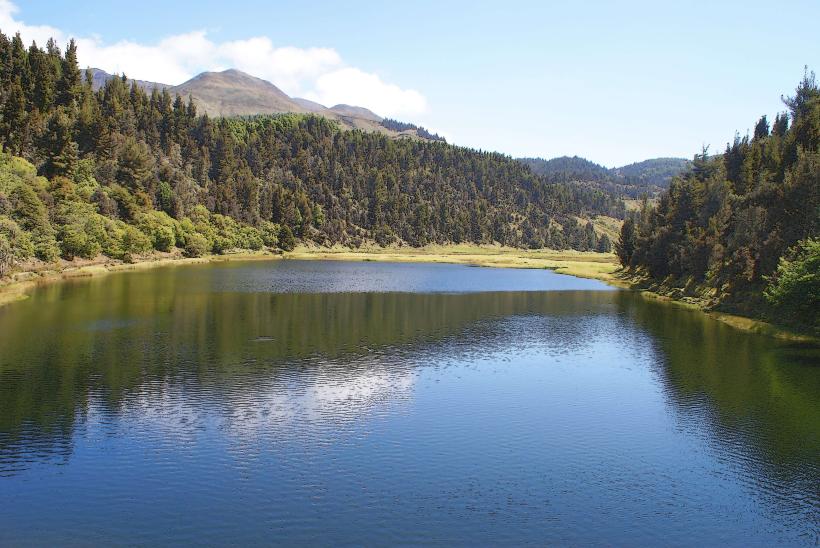
La Laguna de Urao is a saline lagoon located in the Venezuelan Andes, near the city of Mérida.
This body of water is characterized by its high salt content, which influences the surrounding flora and fauna.
Visual Characteristics
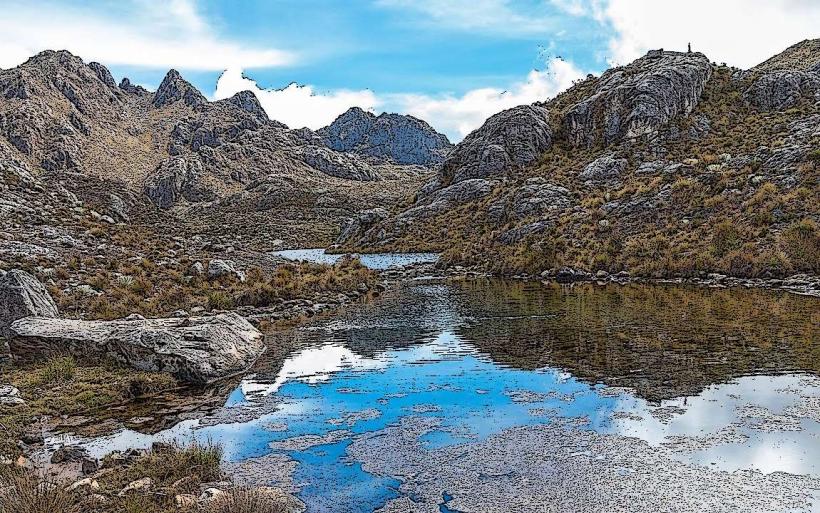
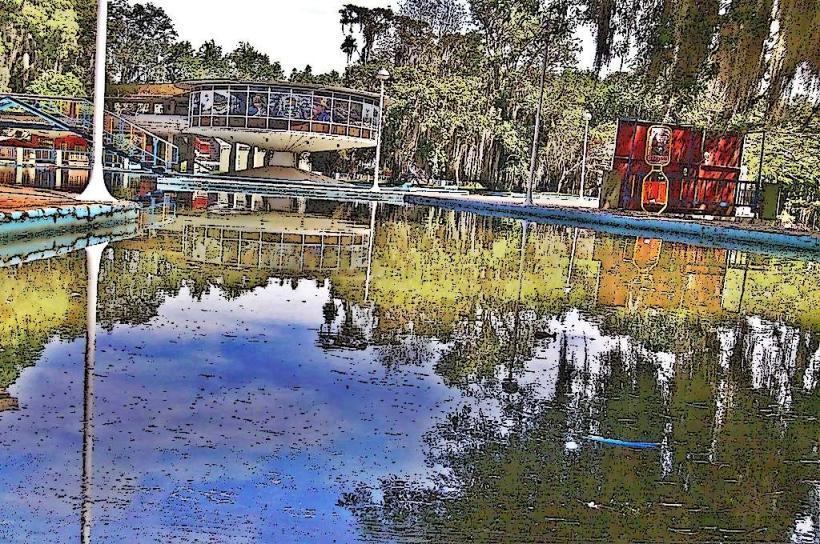
The lagoon's water color varies from a pale blue to a greenish hue depending on atmospheric conditions and depth. The shoreline is composed of fine, light-colored sediment. Surrounding vegetation consists of hardy, salt-tolerant grasses and low-lying shrubs adapted to the saline environment.
Location & Access Logistics
La Laguna de Urao is situated approximately 15 kilometers southwest of Mérida. Access is via the local highway, Carretera Trasandina (TR-001), heading towards Ejido. From Ejido, follow signs for Laguna de Urao. Parking is available at designated points near the lagoon's edge. Public transport options include local buses (rutas) operating between Mérida and Ejido, with a short walk required from the Ejido town center.
Historical & Ecological Origin
The lagoon is a natural geological formation, believed to be a remnant of ancient lacustrine systems in the region. Its high salinity is attributed to mineral deposits and the absence of significant freshwater inflow, creating a unique hypersaline ecosystem.
Key Highlights & Activities
Observation of the unique salt-tolerant bird species is a primary activity. Visitors can walk along the designated paths surrounding the lagoon. Photography of the landscape and avian life is permitted.
Infrastructure & Amenities
Basic restroom facilities are present at the main access point. Limited shade is available from natural vegetation. Cell phone signal (2G/3G) is generally available. No food vendors are located directly at the lagoon; provisions should be made in Ejido or Mérida.
Best Time to Visit
For photography, early morning (07:00-09:00) and late afternoon (16:00-18:00) offer optimal lighting conditions. The dry season, from December to March, generally provides clearer skies and more stable water levels. The lagoon's salinity remains consistent year-round.
Facts & Legends
Local folklore suggests the lagoon's saltiness is due to the tears of a heartbroken indigenous princess. Scientifically, the high concentration of sodium chloride and other minerals creates an environment where only specialized organisms can survive.
Nearby Landmarks
- Laguna de Mucubají (35km Southeast)
- Parque Nacional Sierra de La Culata (20km Northeast)
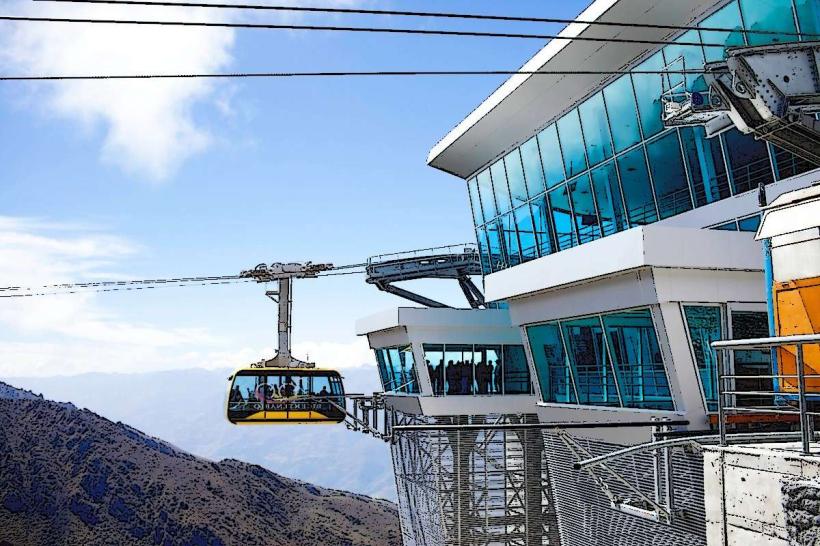
- Teleférico de Mérida (18km Northeast)
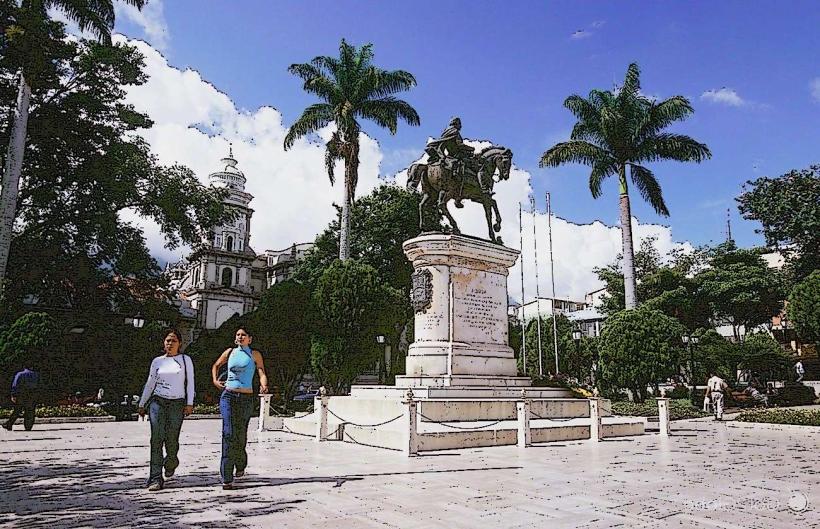
- Plaza Bolívar, Mérida (15km Northeast)
- Mercado Principal de Mérida (16km Northeast)