Information
Landmark: Engadine ValleyCity: Saint Moritz
Country: Switzerland
Continent: Europe
Engadine Valley, Saint Moritz, Switzerland, Europe
The Engadine (Engiadina) is a long, high-alpine valley in the Canton of Graubünden, extending approximately 100 kilometers along the Inn River from the Maloja Pass to the Austrian border. It is one of the highest inhabited valleys in Europe.
Visual Characteristics
The valley is divided into two distinct sections:
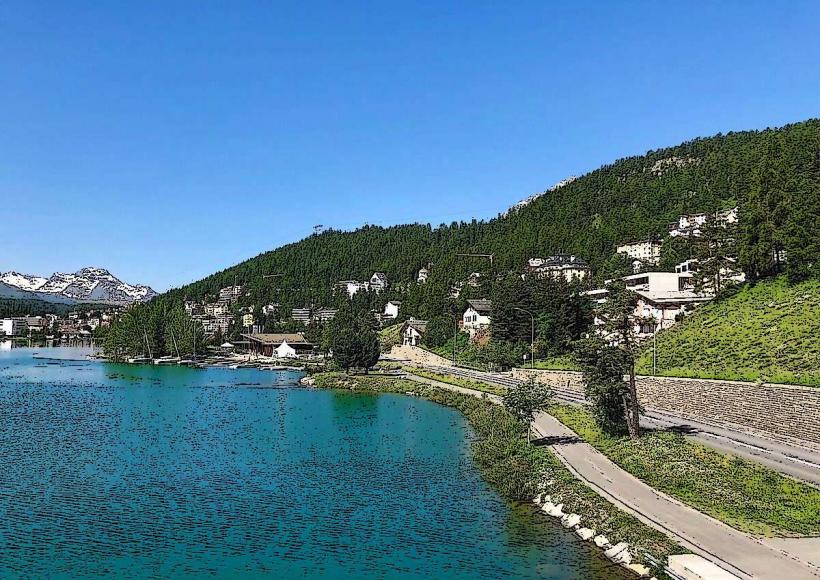
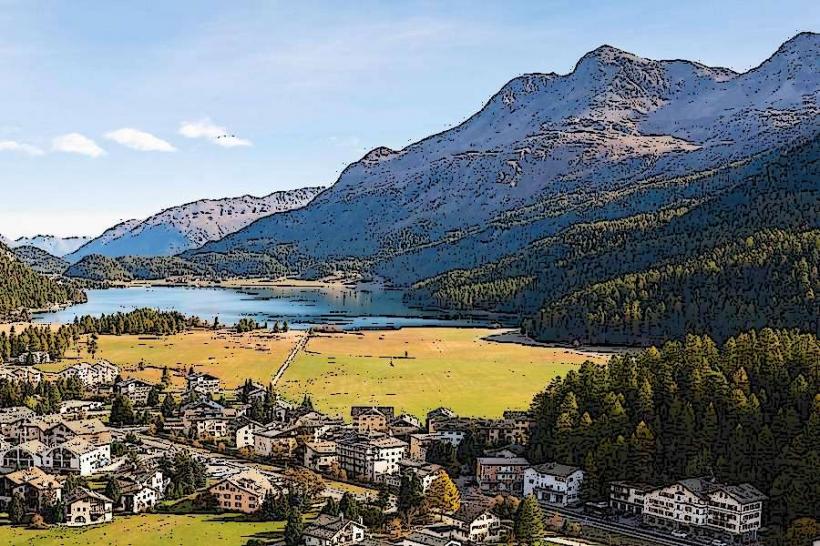
Upper Engadine (Engiadin'Ota): Characterized by a broad, flat valley floor at 1,700–1,800 meters, featuring a chain of large lakes (Sils, Silvaplana, Champfèr, St. Moritz) and jagged, glacier-capped peaks like the Bernina Massif.
Lower Engadine (Engiadina Bassa): Defined by a narrower, more rugged landscape where the Inn River has carved deep gorges. The elevation drops from 1,600 to 1,000 meters, and the architecture features fortified-style stone houses with ornate sgraffito decorations.
Location & Access Logistics
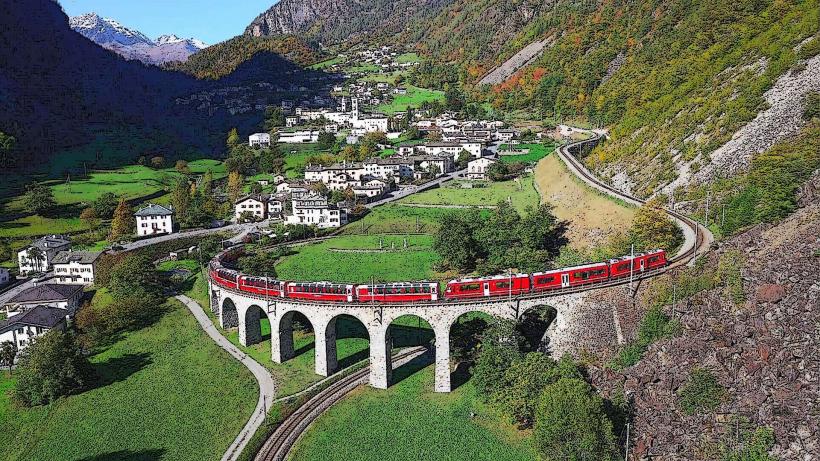
Rail: Served by the Rhaetian Railway (RhB). The Upper Engadine is the terminus for the Glacier Express; the Bernina Express crosses the Bernina Pass into Italy.
Road: Primary access is via high mountain passes: Julier (from Chur), Maloja (from Lake Como), Bernina (from Tirano), or the Vereina rail tunnel (car shuttle from Klosters).
Air: The Samedan/St. Moritz Airport (the highest airliner airport in Europe) serves private and regional aviation.
Historical & Ecological Origin
The valley's name derives from the Romansh En, the river Inn. It is a linguistic stronghold for Romansh, Switzerland's fourth national language. Geologically, it follows the Engadine Line, a major tectonic fault. The climate is characterized by high solar radiation (the "champagne climate") and the Maloja wind, which blows down-valley in the afternoon. The Swiss National Park, the country's only national park, occupies a significant portion of the Lower Engadine.
Key Highlights & Activities
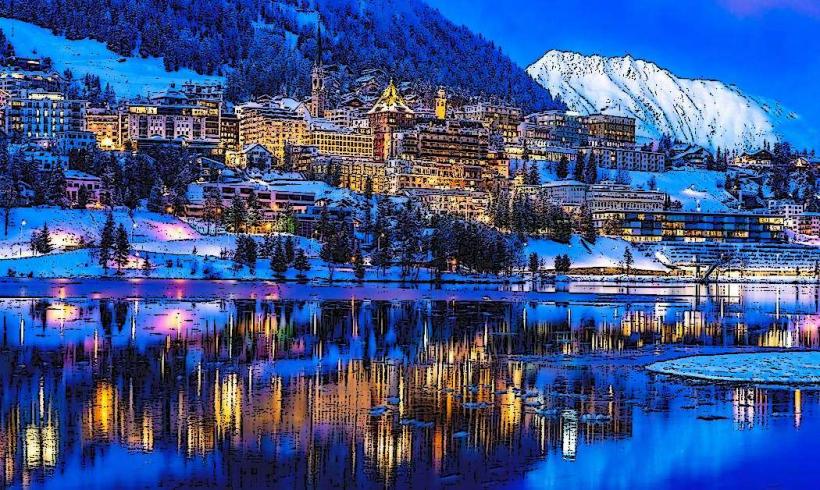
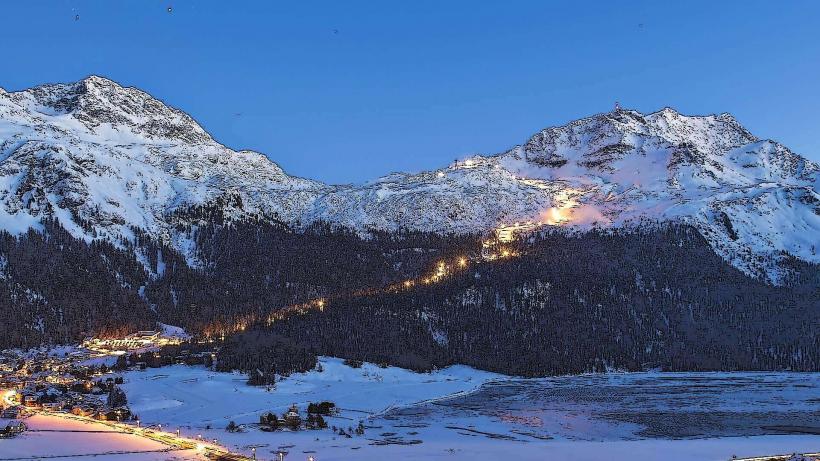
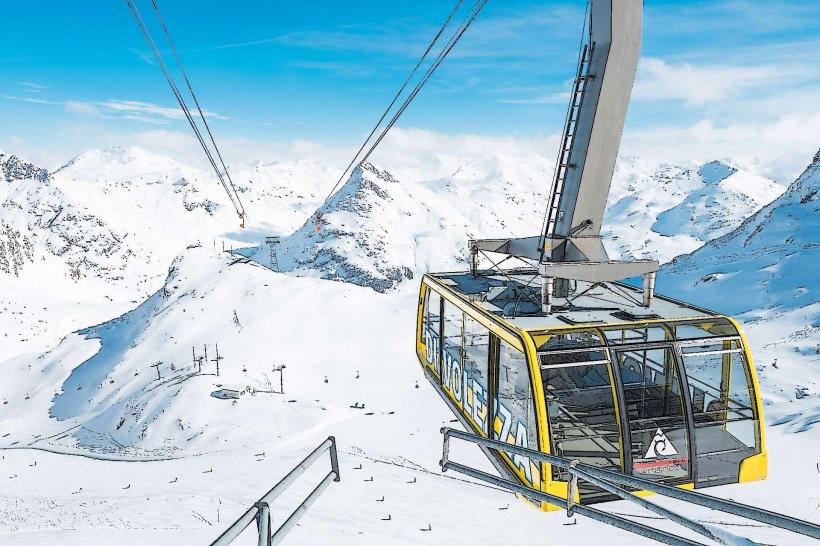
Winter Sports: St. Moritz is a two-time Winter Olympic host; the valley offers 350km of ski runs and the world-class Engadin Skimarathon (cross-country).
Sgraffito Architecture: Traditional houses in villages like Guarda, Sent, and Zuoz feature intricate etched plasterwork.
Thermal Spas: Scuol in the Lower Engadine is famous for its highly mineralized natural springs and Roman-Irish baths.
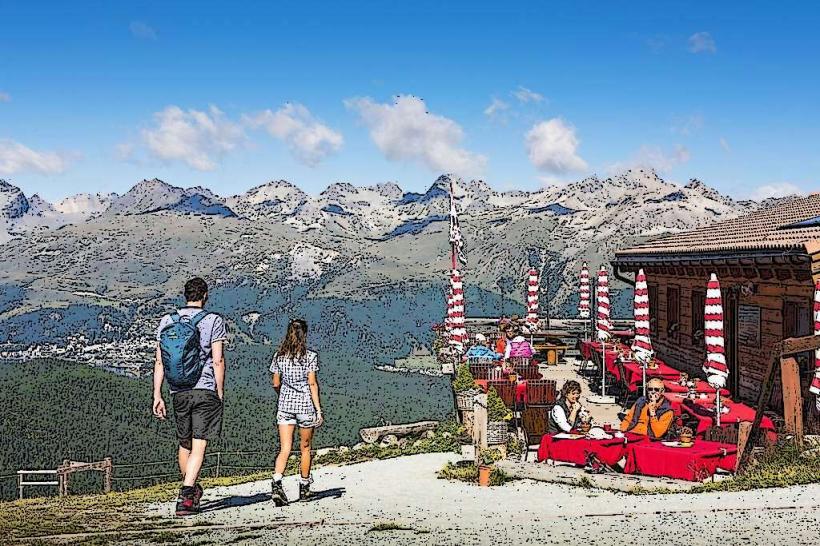
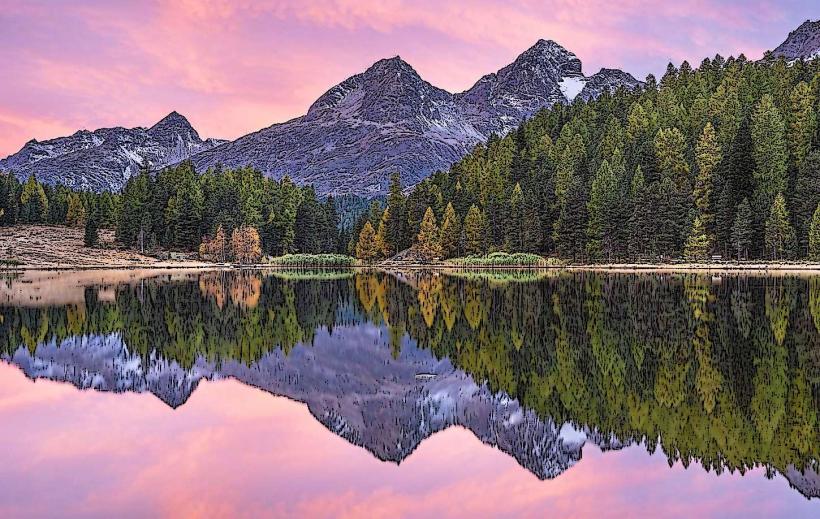
Hiking & Biking: Extensive trail networks through larch forests, which turn vibrant gold in October.
Infrastructure & Amenities
The valley is highly developed for tourism while maintaining strict agricultural zones. St. Moritz acts as the luxury commercial core, while Samedan serves as the administrative center. 5G coverage is comprehensive across the valley floor and major ski areas. Most regional transport is integrated through the "Engadin Pass" system for tourists.
Best Time to Visit
February: For peak winter sports and frozen lake events in St. Moritz.
July–August: For high-alpine hiking and windsurfing on Lake Silvaplana.
October: For the "Golden Autumn" when the larch trees change color, considered the most photogenic period in the valley.
Facts & Legends
The Engadine is the setting for the classic children's story A Bell for Ursli (Uorsin), which highlights the Chalandamarz festival-an ancient tradition where children ring bells to drive away winter. A verified geographical fact: the Inn River, which gives the valley its name, is the only Swiss river that drains into the Black Sea via the Danube.
Nearby Landmarks
Piz Bernina ($4,048\text{ m}$) – Highest peak in the Eastern Alps
Maloja Pass – Southwest gateway
Swiss National Park (Zernez) – Lower Engadine gateway
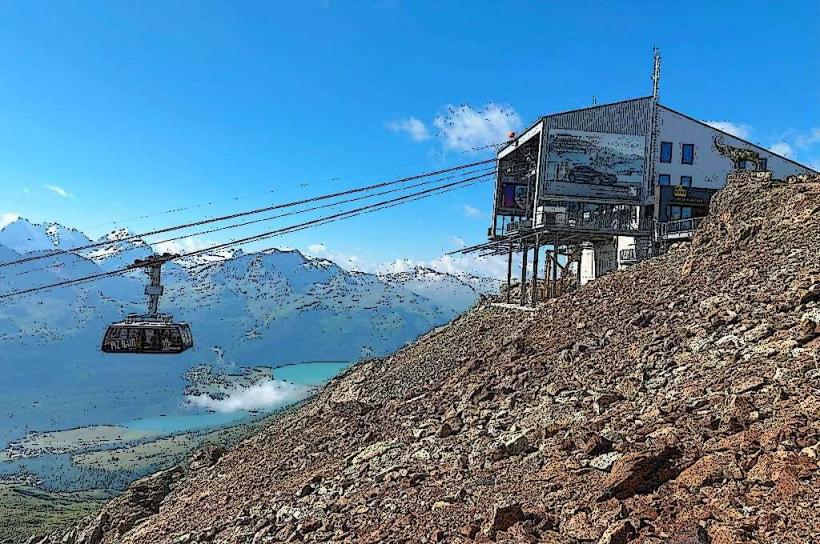
Muottas Muragl – Best panoramic viewpoint of the lake plateau
Diavolezza – Glacial viewing and skiing area