Information
Landmark: St. Moritz-BadCity: Saint Moritz
Country: Switzerland
Continent: Europe
St. Moritz-Bad, Saint Moritz, Switzerland, Europe
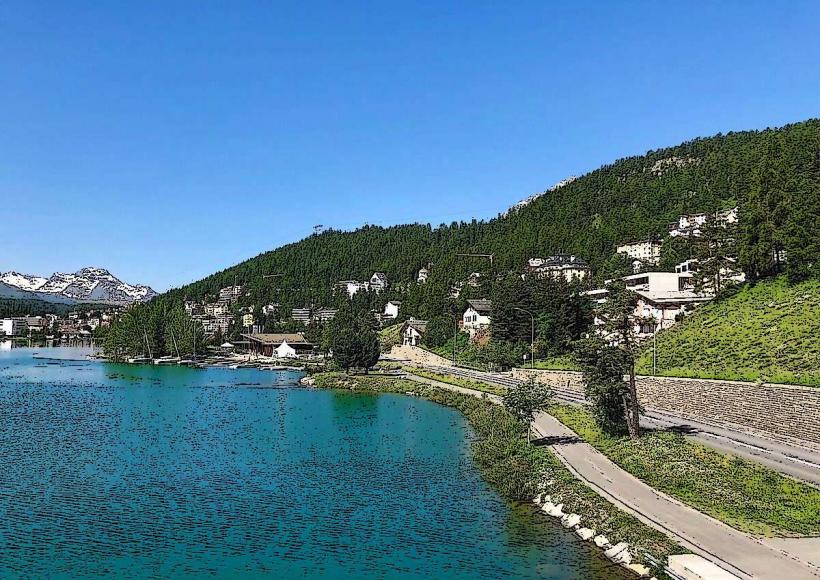
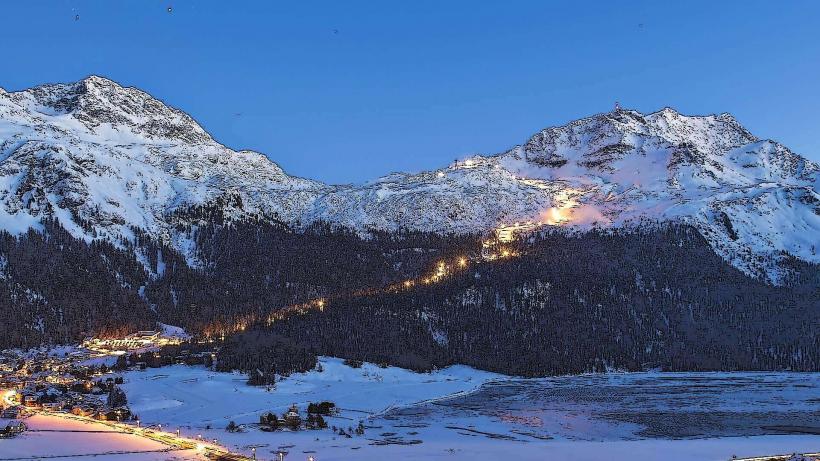
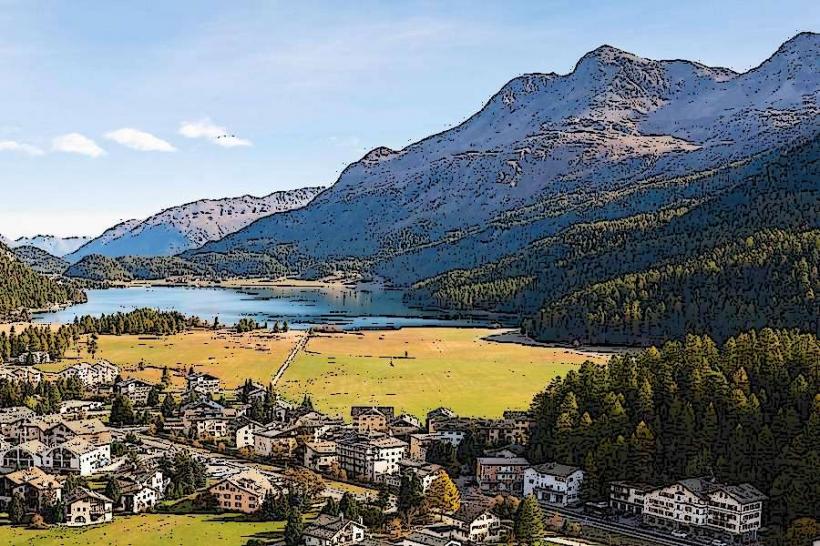
St. Moritz-Bad is the lower-lying district of St. Moritz, situated at 1,774 meters on the southwestern shore of Lake Saint Moritz. Historically the site of the town's mineral springs, it serves as the recreational and residential counterpart to the upscale St. Moritz-Dorf.
Visual Characteristics
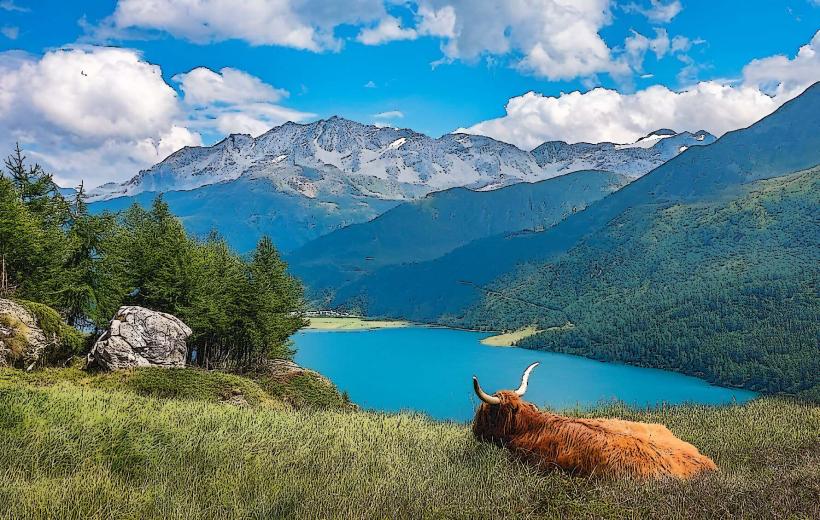
The district is characterized by a flatter, more open landscape compared to the steep slopes of the Dorf. It features a mix of modern residential apartment blocks, large-scale sports facilities, and historic 19th-century spa hotels like the Kempinski Grand Hôtel des Bains. The area is surrounded by dense larch forests and the marshy plains leading toward Lake Champfèr.
Location & Access Logistics
Position: Located at the western end of Lake Saint Moritz.
Transit: Connected to St. Moritz-Dorf and the railway station by a 15-to-20-minute walk along the lake or via local bus (Lines 1, 3, or 9).
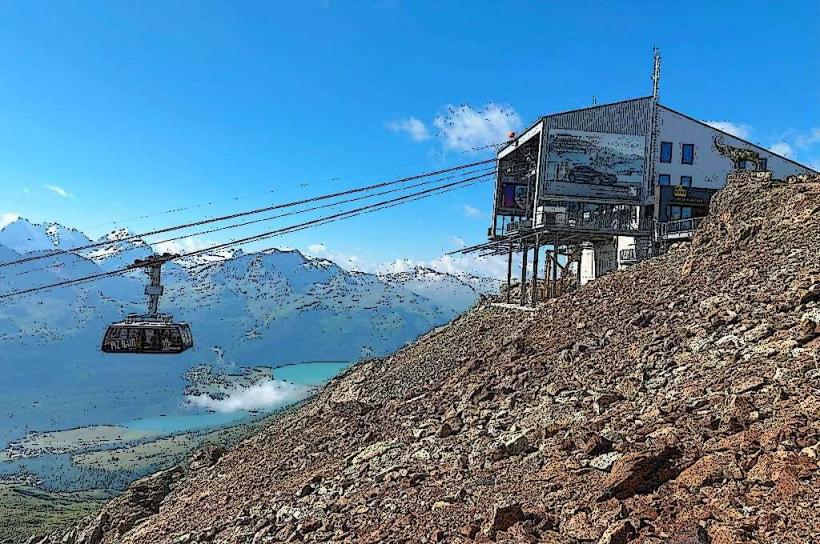
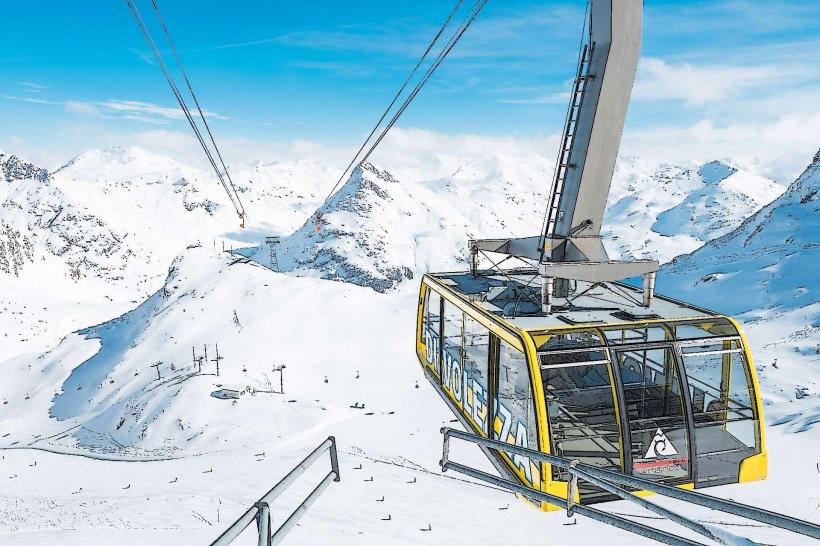
Cableway: Home to the Signal Cableway (Signalbahn), which provides direct access to the Corviglia ski and hiking area.
Vehicle: Features large open-air parking lots and is the primary entry point for traffic arriving from the Maloja Pass.
Historical & Ecological Origin
St. Moritz-Bad is the original heart of the town, predating the luxury tourism of the Dorf. It was founded on the discovery of iron-rich, carbonated mineral springs 3,500 years ago. The district sits on a high-alpine moorland and alluvial plain. The "Bad" (Bath) designation refers to the medical spa culture that peaked in the late 19th century when European royalty visited for "the cure."
Key Highlights & Activities
MTZ (Medical Therapy Center): A modern facility continuing the tradition of mineral baths and carbonated water treatments.
Signalbahn: The primary lift for reaching the southern sector of the Corviglia ski area.
Ovaverva: A large public indoor swimming pool, spa, and fitness center.
Lake Activities: The main departure point for rowing, stand-up paddling, and the circular lake-trail walk.
Ludains Ice Arena: An outdoor and indoor ice-skating facility used for hockey and curling.
Infrastructure & Amenities
St. Moritz-Bad functions as the primary service hub for residents and long-term visitors. It contains the largest supermarkets, the local post office, and numerous sporting goods stores. 5G coverage is comprehensive. The flat terrain makes this district significantly more accessible for wheelchairs and strollers than the elevated Dorf district.
Best Time to Visit
Winter: For direct access to the Hahnensee ski run and the cross-country skiing trails that start in the woods behind the district.
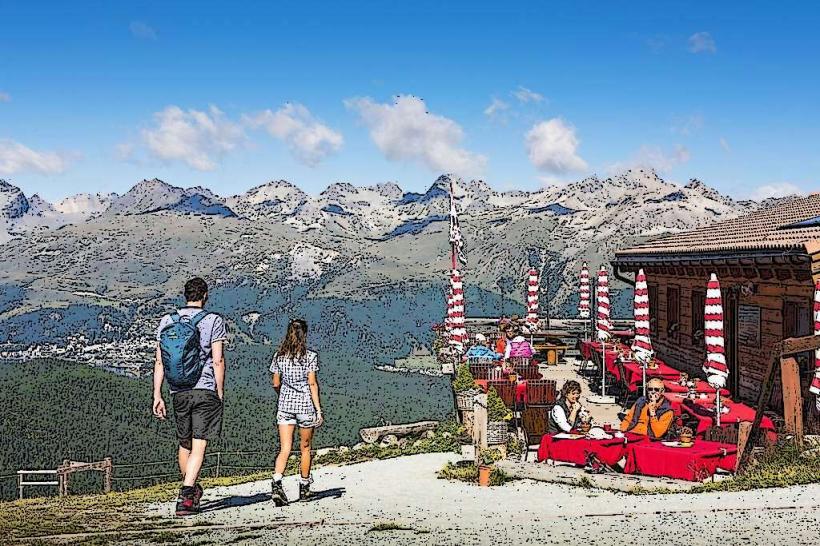
Summer: For proximity to the sailing club and the forest trails leading to Lej da Staz.
Morning: The district receives the earliest morning sun in the valley due to its open northern orientation.
Facts & Legends
A verified historical detail: In 1907, the "Bad" district was the site of the first-ever horse race on a frozen lake, the precursor to the modern White Turf. The bronze-age "Spring Forum," an ancient wooden structure used to collect mineral water, was discovered here and is now a central exhibit in the Engadine Museum.
Nearby Landmarks
Signal Cableway – 0.2km West
Kempinski Grand Hôtel – 0.3km West
Ovaverva Pool & Spa – 0.1km Central
Champfèr Lake – 1.5km Southwest
St. Moritz-Dorf – 1.5km Northeast (via lake path)