Information
City: Saint MoritzCountry: Switzerland
Continent: Europe
Saint Moritz, Switzerland, Europe
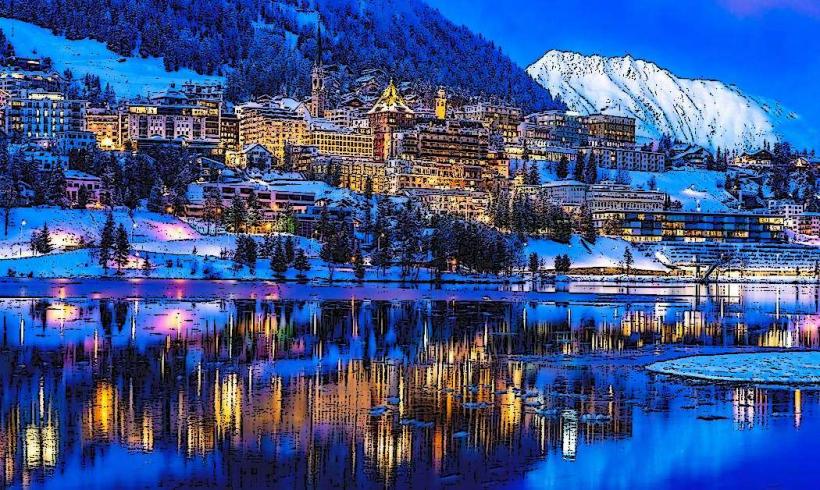
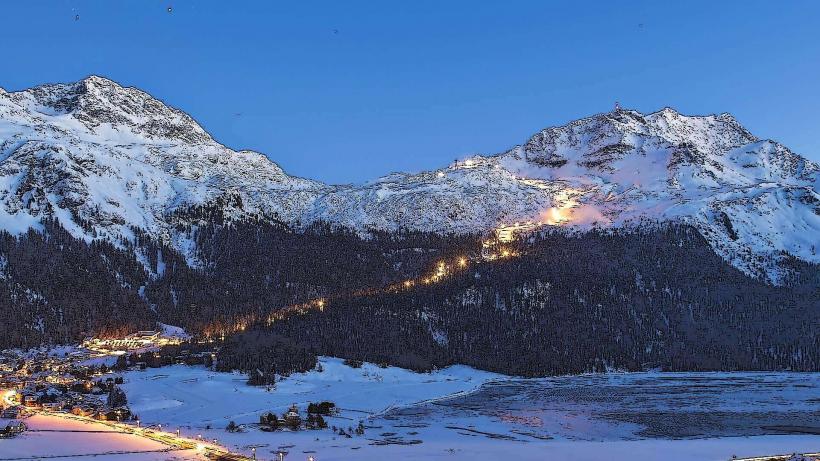
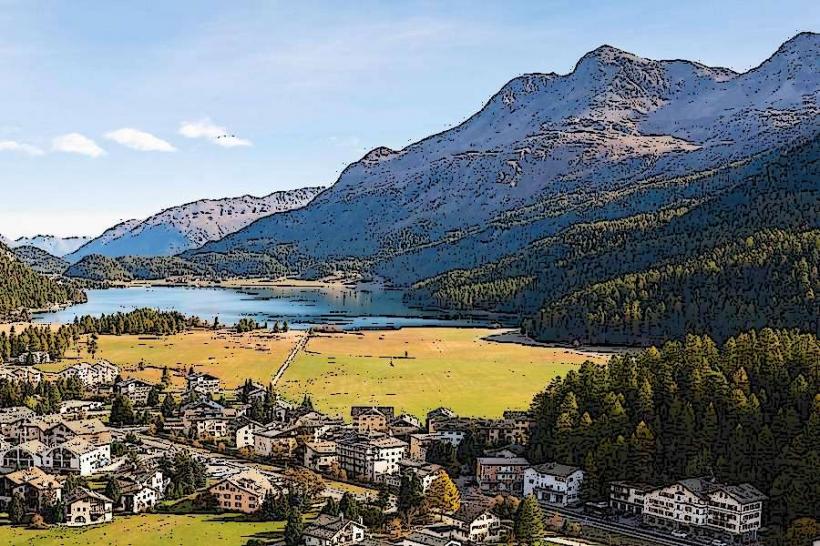
Saint Moritz functions as the world's most prestigious high-altitude resort and the birthplace of Alpine winter tourism. Situated at 1,856 meters in the Upper Engadine Valley of the Canton of Graubünden, it is a primary hub for luxury hospitality, international jet-set culture, and specialized winter sports like the Cresta Run and horse racing on ice.
Historical Timeline
Saint Moritz originated as a summer pilgrimage site for its mineral springs, dating back 3,000 years. The primary era of governance shifted in 1864 when hotelier Johannes Badrutt made a bet with British summer guests, promising them a pleasant winter stay, thus initiating winter tourism. The primary events shaping its modern status were hosting the Winter Olympics in 1928 and 1948, solidifying its position as a global center for competitive winter sports.
Demographics & Population
The permanent population is approximately 4,900, though it expands to over 30,000 during peak winter and summer seasons. The demographic profile is highly international and affluent, with a workforce specialized in ultra-luxury service, diamond trading, and mountain engineering. Romansh, German, and Italian are spoken, reflecting its position near the Italian border. The median age is approximately 44 years.
Urban Layout & Key Districts
The town is divided into two distinct primary elevations.
St. Moritz Dorf: The elevated specialized district housing the majority of luxury boutiques (Via Serlas), 5-star hotels, and the nightlife center.
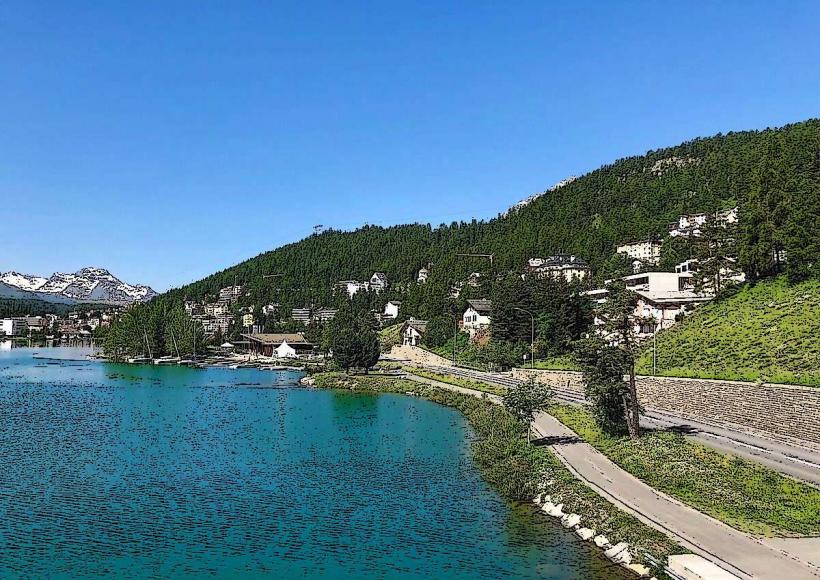
St. Moritz Bad: The lower-elevation lakeside district focused on wellness, the historic mineral springs, and athletic facilities.
Champfèr: A specialized quiet residential hamlet 3 km west of the center.
Suvretta: The most exclusive residential district, home to private estates and ski-in/ski-out mansions.
Top City Landmarks
The Leaning Tower: A 12th-century remnant of the original St. Mauritius Church, leaning at an angle of 5.5 degrees.
The Cresta Run: A specialized natural ice skeleton racing track, one of the few in the world, strictly reserved for the St. Moritz Tobogganing Club.
Badrutt’s Palace Hotel: An architectural and cultural landmark that has served as the center of the town's social life since 1896.
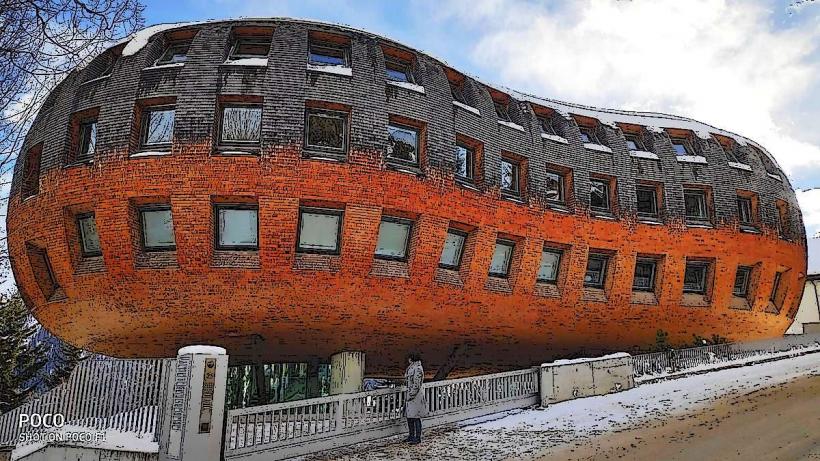
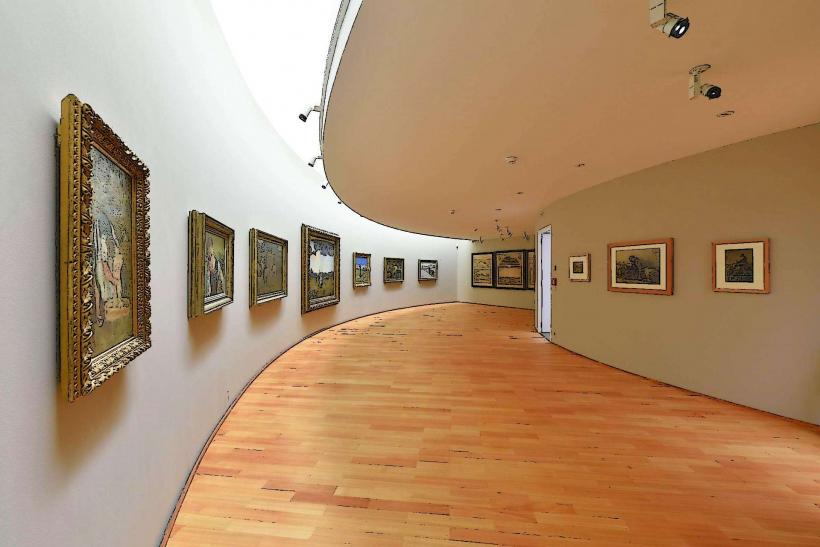
Segantini Museum: A specialized museum dedicated to the painter Giovanni Segantini, featuring a distinct domed architecture.
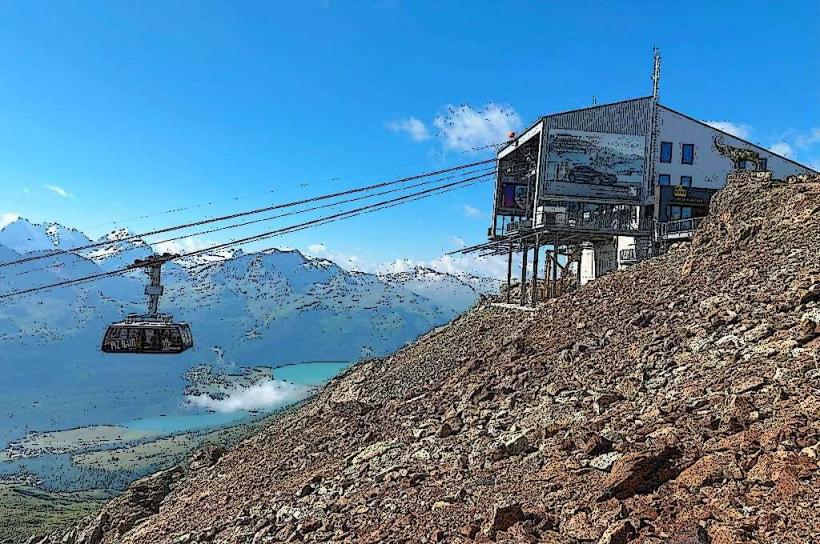
Corvatsch 3303: The highest vantage point in the region (3,303m), featuring an ice cave and panoramic views of the Bernina Range.
Transportation Network
Saint Moritz is the terminus of several world-famous rail lines.
The Glacier Express: A specialized panoramic "slowest express train in the world" connecting to Zermatt.
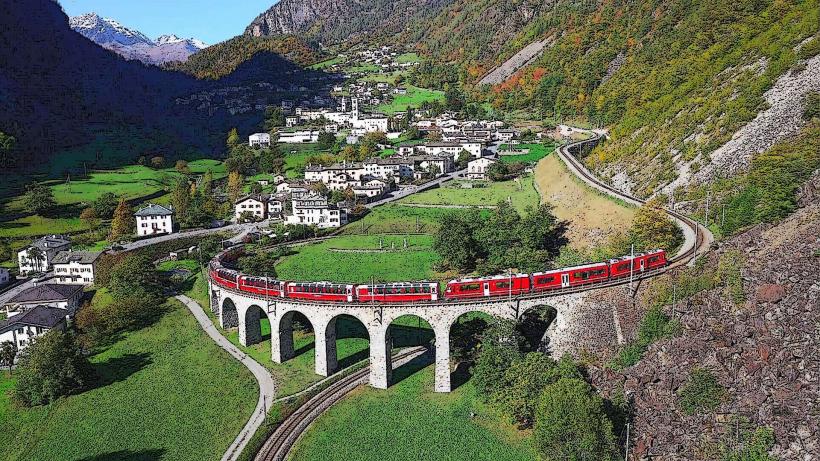
The Bernina Express: A UNESCO World Heritage rail line crossing the Alps into Tirano, Italy.
Engadin Airport (SMV): Located 7 km away in Samedan; the highest airport in Europe, primarily serving private jets.
The town features the Design Gallery, a specialized series of escalators and walkways connecting the lake to the upper village (Dorf).
Safety & "Red Zones"
The general safety level is extremely high. Crime is statistically non-existent. There are no "red zones." The primary risks are environmental: high-altitude sun exposure requires specialized UV protection; the frozen lake is strictly monitored for weight capacity during events; and off-piste skiing carries severe avalanche risks.
Digital & Financial Infrastructure
Internet speeds average 100–1000 Mbps via fiber. 5G coverage is universal across the resort and ski slopes. Card and mobile payments are standard. Saint Moritz is a major hub for luxury commerce, with Via Serlas having the highest density of high-end fashion brands per square meter in the world.
Climate & Air Quality
Saint Moritz is famous for its "Champagne Climate"-a dry, sparkling atmosphere with an average of 322 days of sunshine per year. Daytime temperatures range from -9°C in January to 18°C in July. Air quality is pristine.
Culture & Social Norms
The local culture is defined by "The St. Moritz Style"-a blend of high-end formality and Alpine tradition. Tipping is included in service, but significant gratuities are standard in luxury establishments. Key events include the White Turf (horse racing on ice) and the Snow Polo World Cup.
Accommodation Zones
Dorf: Recommended for proximity to luxury shopping, nightlife, and the Corviglia funicular.
Bad: Recommended for spa treatments, sports enthusiasts, and budget-conscious travelers.
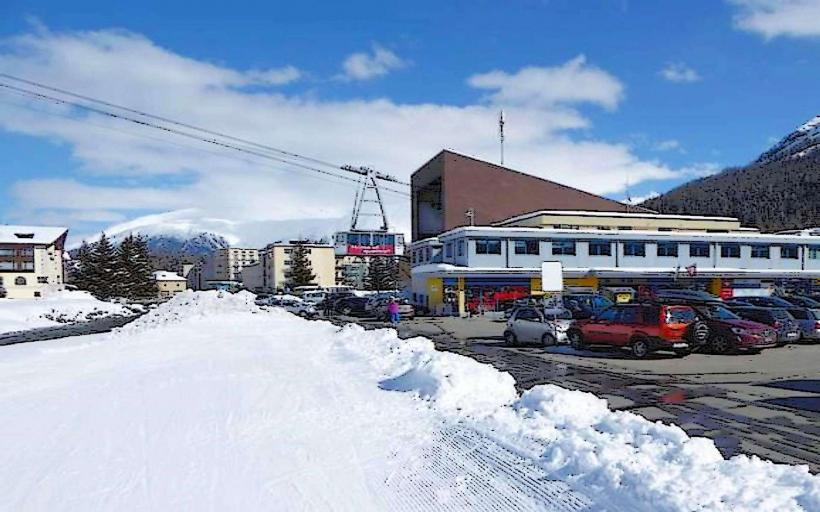
Surlej: Recommended for direct access to the Corvatsch cable car.
Local Cost Index
1 Espresso: 5.50 CHF (Highest in Switzerland)
1 Pint of Beer: 9.00–12.00 CHF
1 Standard Lunch: 35.00–60.00 CHF
Nearby Day Trips
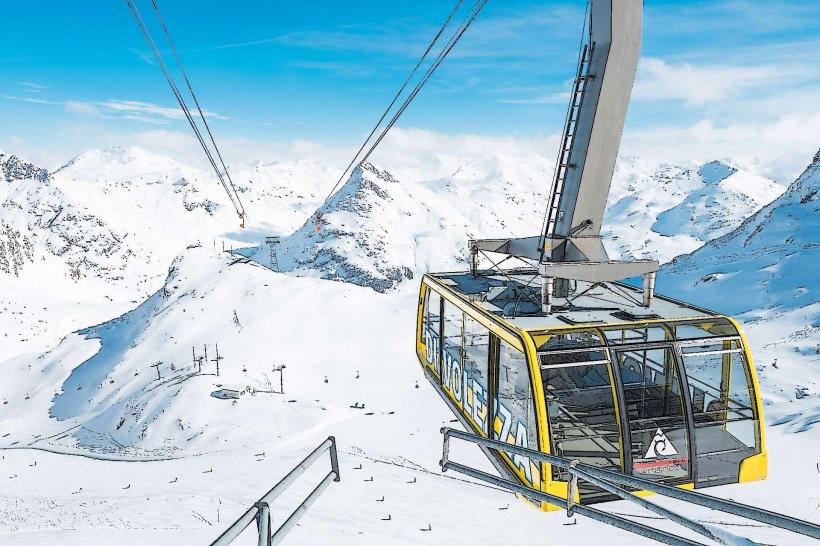
Diavolezza: A specialized glacier viewpoint and ski area at 2,978 meters.
Sils Maria: A picturesque village and former home of Friedrich Nietzsche.
Pontresina: A traditional Engadine village known for its stone architecture and ibex population.
Facts & Legends
Saint Moritz is the site where the Bob Sleigh was invented in the late 19th century. Legend states that the mineral waters were so potent they could cure any ailment of the spirit. A verified fact is that the Saint Moritz sun logo, designed in 1930, was the first-ever registered trademark for a holiday resort. Historically, the town was the first in Switzerland to install electric light (1878) and the first to start a ski school (1929).