Information
Landmark: Estancia San GregorioCity: Punta Arenas
Country: Chile
Continent: South America
Estancia San Gregorio, Punta Arenas, Chile, South America
Estancia San Gregorio – A Historic Sheep Ranch in Southern Chile
Overview
Estancia San Gregorio is a working sheep ranch located about 140 km north of Punta Arenas, in the Patagonian region of Chile. The estancia (ranch) is known for its historical significance, scenic beauty, and role in the region's agricultural history. It offers visitors a unique opportunity to explore the Patagonian steppe, observe wildlife, and experience the ranching culture that has shaped this remote part of the world.
Location & How to Get There
? Estancia San Gregorio, Chile
- The estancia is located along Route 9, a main highway that runs north of Punta Arenas, making it accessible by car or as part of a guided tour.
- Drive time: Approximately 2–2.5 hours from Punta Arenas.
- Guided Tours: Many visitors opt for organized tours that include transportation from Punta Arenas to the estancia, with explanations about the history and local culture.
What to See & Do
1. Historical Significance ?️
- Estancia San Gregorio is one of the oldest ranches in the region, dating back to the late 19th century. It played a key role in the development of sheep farming in Patagonia and was an important location during the early European settlement of the area.
- The ranch is historically linked to Carlos Ibañez del Campo, a prominent figure in Chilean history.
2. Wildlife & Nature Watching ?
- The Patagonian steppe surrounding Estancia San Gregorio is a wildlife haven.
- Visitors can spot a variety of birds, including flamingos, ducks, and geese, especially in the nearby wetlands.
- Guanacos, foxes, and other local wildlife roam the estancia grounds, providing opportunities for nature photography.
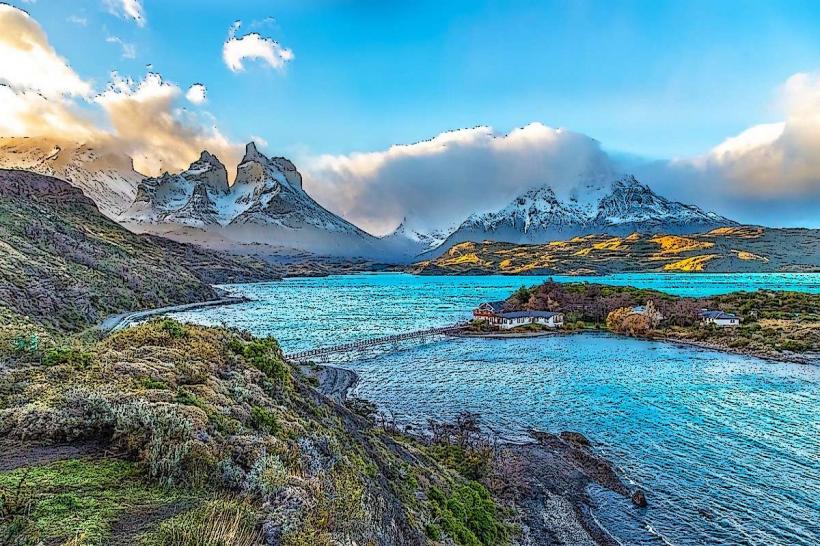
- The views of the surrounding landscape-including the Strait of Magellan and distant mountains-are spectacular, making it a great place for scenic walks.
3. Sheep Farming Experience ?
- The estancia is a working sheep ranch, where visitors can learn about the traditional Patagonian sheep farming practices.
- Tours of the ranch allow visitors to see sheep being sheared, observe herding techniques, and hear stories about the challenges and history of Patagonian farming.
- You can also learn about the ranch’s role in the regional wool industry, which has been a key part of Chile's economy for over a century.
4. Cultural and Historical Exhibits ?️
- The estancia has historic buildings and displays that showcase the ranching life of the past. Visitors can explore the old ranch house and other structures that have been preserved for their historical value.
- Exhibits include photos, tools, and artifacts related to the ranch’s history, giving insight into the life of early settlers in the area.
5. Unique Patagonian Experience ?
- The estancia offers visitors a chance to experience authentic Patagonia. The remote location and vast open landscapes make it a peaceful escape from the more touristic areas.
- It’s also an opportunity to engage with the local gaucho culture and learn about the traditional lifestyle that has endured in the region for generations.
Best Time to Visit
✅ Spring & Summer (October–March) – The weather is milder, making it the best time for outdoor activities, such as wildlife watching and exploring the ranch.
⛔ Autumn & Winter (April–September) – The area can be quite cold and windy during these months, with fewer tourists. However, it offers a more serene atmosphere for those who enjoy quiet solitude.
Nearby Attractions
- Laguna de los Flamencos – A wetland area further south, home to flamingos and other birdlife, making it a perfect complement to a visit to the estancia.
- Costanera del Estrecho – A waterfront promenade in Punta Arenas, offering scenic views of the Strait of Magellan.
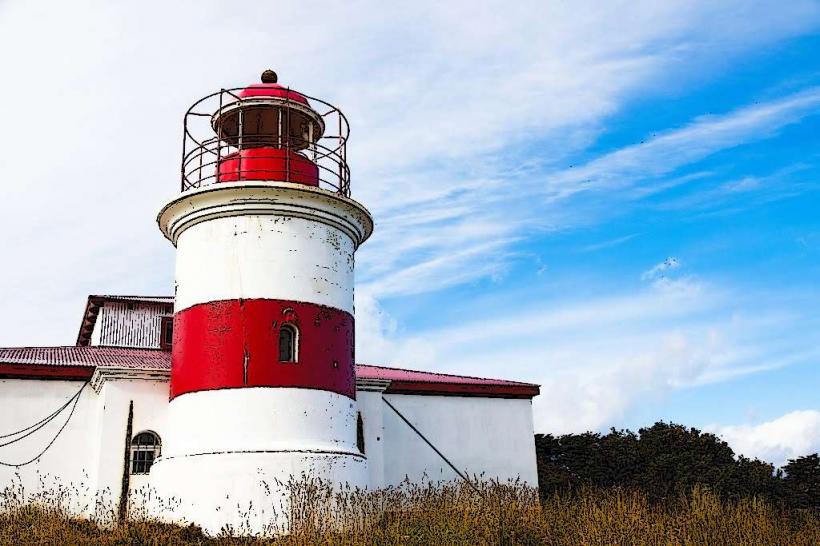
- Faro San Isidro – A historic lighthouse located at the southernmost tip of Punta Arenas, offering dramatic coastal views and a look at Patagonia’s maritime history.