Information
Landmark: Fabens Historic DistrictCity: Santa Teresa
Country: USA New Mexico
Continent: North America
Fabens Historic District, Santa Teresa, USA New Mexico, North America
The Fabens Historic District is a designated area within the city of Santa Teresa, New Mexico, preserving early 20th-century agricultural and residential structures.
This district documents the development of agricultural communities in the Mesilla Valley.
Visual Characteristics
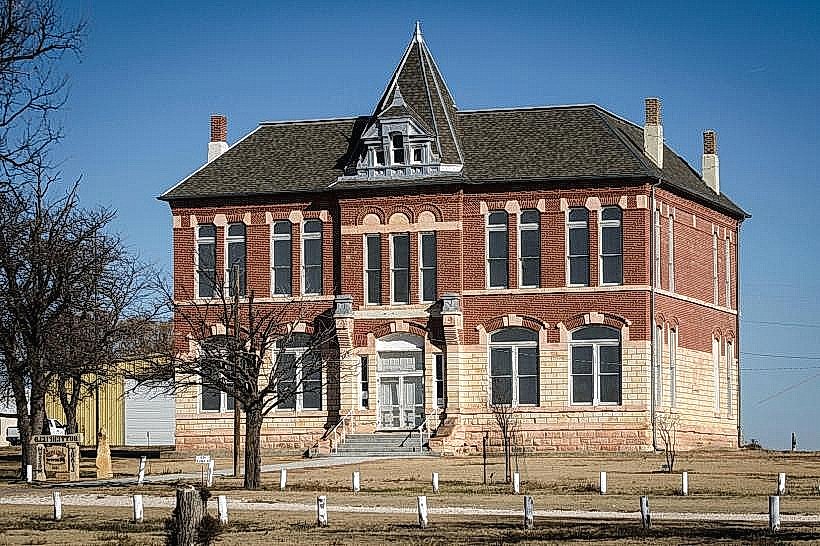
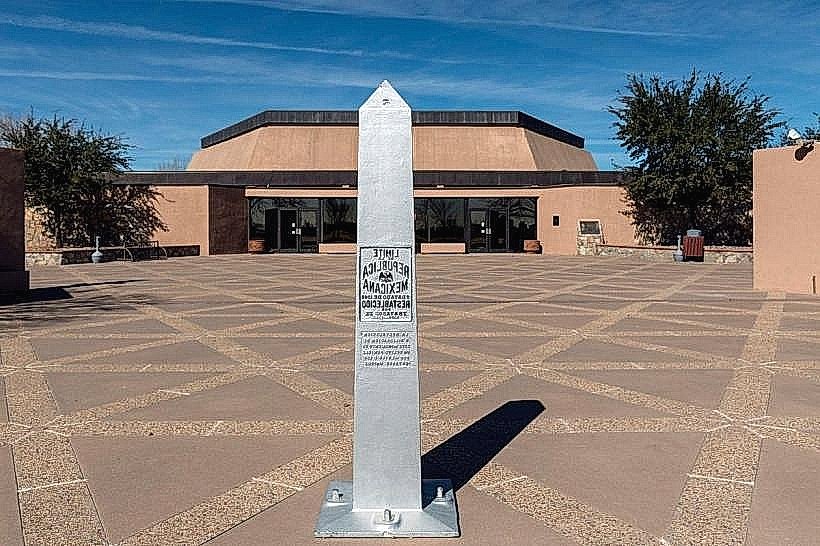
Structures in the Fabens Historic District are primarily adobe and brick, reflecting the vernacular architecture of the early 1900s. Buildings exhibit simple, rectangular forms with pitched roofs, often featuring wooden porches and exposed beam elements. Colors range from natural adobe earth tones to painted surfaces in muted whites and grays. The district is characterized by low-rise construction, typically one to two stories.
Location & Access Logistics
The Fabens Historic District is located approximately 15 kilometers east of the Santa Teresa city center. Access is via State Road 138 (Fabens Road). Parking is available on designated side streets adjacent to historic properties; street parking is generally unrestricted. Public transport options directly serving the district are limited; the nearest major bus routes operate from Santa Teresa's central commercial areas.
Historical & Ecological Origin
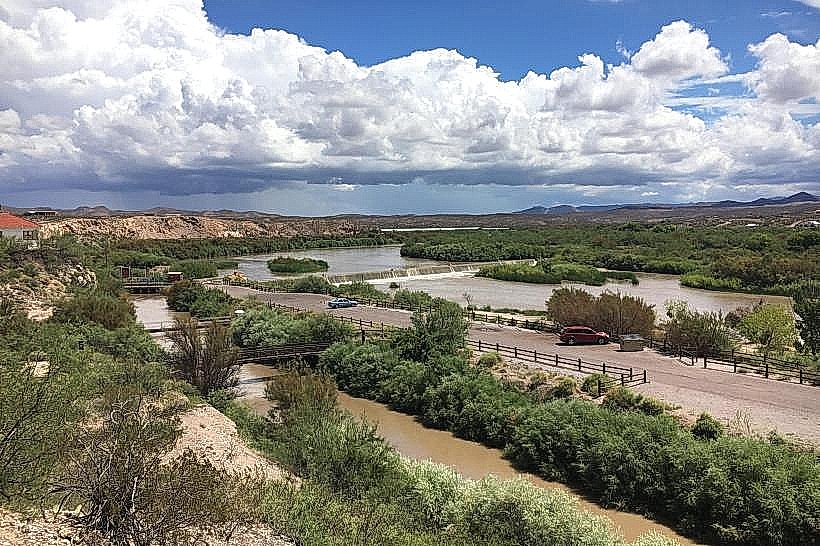
The district's origins trace back to the early 1900s, coinciding with the expansion of irrigation projects in the Mesilla Valley. The area was settled by farmers and ranchers who established homesteads and agricultural operations. The original purpose was to support the agricultural economy of the region, with structures serving residential, commercial, and processing functions related to farming.
Key Highlights & Activities
Exploration of the district involves walking tours to observe the architectural styles of the historic buildings. Documentation of building materials and construction techniques is possible. Photography of the period architecture is a primary activity.
Infrastructure & Amenities
Restroom facilities are not consistently available within the district itself; visitors should plan to use facilities in Santa Teresa. Shade is provided by mature trees along some streets and by the architectural overhangs of buildings. Cell phone signal (4G/5G) is generally reliable throughout the district. Food vendors are not present within the historic district; dining options are located in Santa Teresa.
Best Time to Visit
The best time of day for photography is during the early morning or late afternoon when the sun angle creates shadow contrast on the adobe and brick surfaces. The months of April through October offer the most favorable weather conditions, with daytime temperatures generally between 20°C and 35°C. No specific tide requirements apply.
Facts & Legends
A notable historical fact is the district's connection to early water management systems that enabled agriculture in the arid environment. Local accounts suggest that some of the oldest adobe structures were built using techniques passed down through generations of settlers, incorporating locally sourced clay and straw.
Nearby Landmarks
- Santa Teresa Country Club (2.5km West)
- Mesilla Valley Bosque State Park (4.0km Southwest)
- Fort Bliss (12.0km Northwest)
- El Paso Museum of Art (18.0km Northwest)