Information
Landmark: San Diego Mountain WildernessCity: Santa Teresa
Country: USA New Mexico
Continent: North America
San Diego Mountain Wilderness, Santa Teresa, USA New Mexico, North America
San Diego Mountain Wilderness is a designated wilderness area located in the Santa Teresa region of New Mexico, USA. It encompasses a significant portion of the San Diego Mountain range.
Visual Characteristics
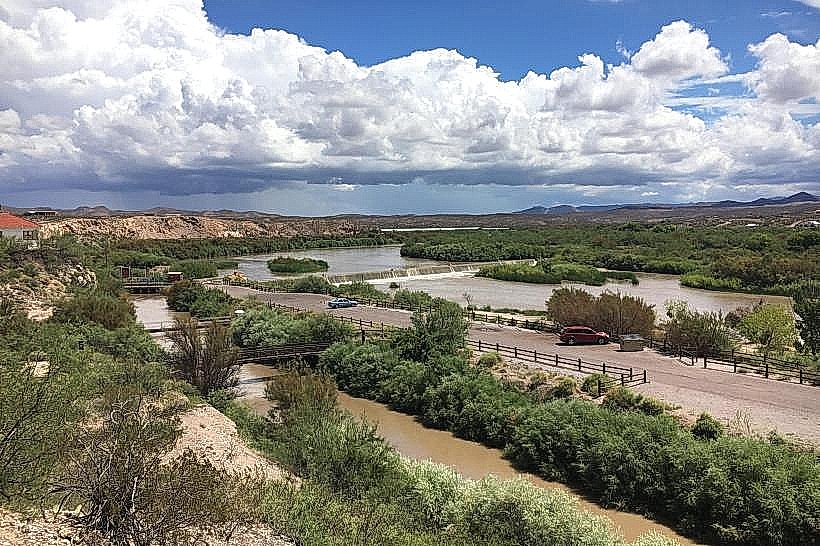
The terrain consists of arid, rocky slopes with elevations ranging from approximately 4,000 feet to over 7,000 feet. Vegetation is sparse, dominated by desert scrub, yucca, and scattered piñon pine and juniper trees at higher elevations. Rock formations are primarily sedimentary and volcanic in origin, exhibiting shades of brown, grey, and red.
Location & Access Logistics
Access to the San Diego Mountain Wilderness is primarily from the west via County Road B014, which connects to New Mexico State Road 90. The nearest major city is Deming, approximately 30 miles to the southwest. Parking is available at designated trailheads along County Road B014. No public transport services operate directly to the wilderness area.
Historical & Ecological Origin
The San Diego Mountain range is geologically characterized by a complex history of volcanic activity and subsequent erosion. The area is classified as Chihuahuan Desert scrubland, supporting flora and fauna adapted to arid conditions. Evidence of historical human activity, including Native American rock art and early settler trails, is present within the wilderness.
Key Highlights & Activities
Hiking is the primary activity. Specific trails include the San Diego Mountain Trail, which offers a strenuous ascent to the summit, and several smaller, unmarked routes suitable for experienced hikers. Wildlife observation, including desert bighorn sheep and various bird species, is possible. Rock scrambling is feasible in designated areas.
Infrastructure & Amenities
There are no developed facilities within the San Diego Mountain Wilderness. Restrooms, potable water, and designated picnic areas are not available. Cell phone reception is unreliable and generally absent throughout most of the wilderness. No food vendors are located within or immediately adjacent to the area.
Best Time to Visit
The optimal time for visiting is during the spring (March to May) and fall (September to November) months to avoid extreme summer heat. Daytime temperatures can exceed 100°F (38°C) in summer. Early morning or late afternoon provides the best lighting for photography due to lower sun angles.
Facts & Legends
Local folklore suggests that the mountain range was once a sacred site for indigenous peoples, with tales of ancient spirits guarding its peaks. A verified historical oddity is the presence of abandoned mining claims dating back to the late 19th century, remnants of a brief prospecting boom.
Nearby Landmarks
- Deming Luna Mimbres Museum (15km Southwest)
- Rockhound State Park (25km Southeast)
- Florida Mountains Wilderness (30km East)
- City of Deming (30km Southwest)