Information
Landmark: Flag SquareCity: Vlora
Country: Albania
Continent: Europe
Flag Square, Vlora, Albania, Europe
Flag Square is a central urban plaza located in the heart of Vlora, Albania, serving as the city’s primary administrative and ceremonial gathering point. It marks the precise geographic and symbolic location where Albania’s independence was proclaimed on November 28, 1912.
Visual Characteristics
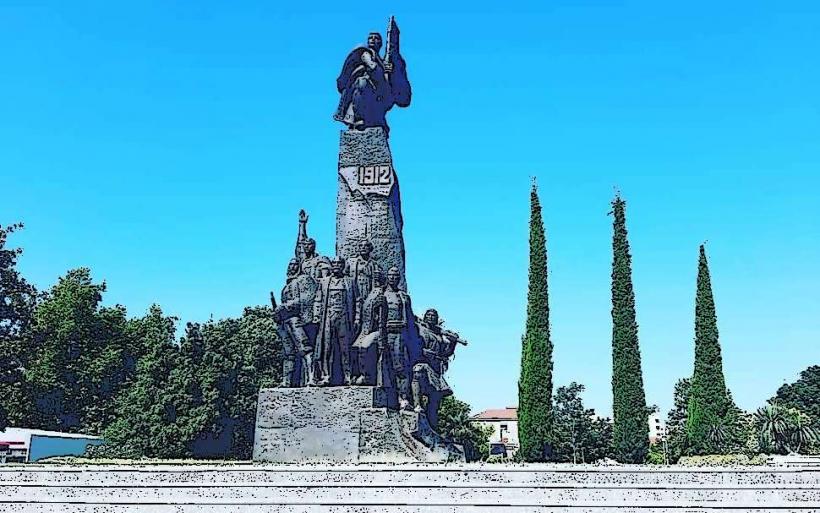
The square is a wide, flat pedestrian expanse paved with light-grey granite and stone slabs. It is anchored by the 17-meter tall Independence Monument, featuring dark bronze figures atop a massive stone plinth. The perimeter is lined with organized rows of Mediterranean palm trees, flower beds, and modernist government buildings constructed with concrete and glass facades.
Location & Access Logistics
The square is positioned at the northern end of Bulevardi Ismail Qemali, approximately 2.5km from the Vlora beachfront. Access is via Rruga Sadik Zotaj or Rruga Justin Godard. Public city buses labeled "Qendër" or "Uji i Ftohtë" stop directly at the square's edge. Dedicated parking lots are located behind the nearby Theater of Variety, though street parking is restricted on the main boulevard.
Historical & Ecological Origin
Flag Square was developed as a formal urban space during the mid-20th century to centralize the city's historical sites. It occupies the land formerly housing the Saray (estate) of the Vlora family, which was the site of the 1912 National Assembly. The current architectural layout was finalized in 1972 to accommodate the installation of the Independence Monument.
Key Highlights & Activities
The square is utilized for civic ceremonies, military parades, and public gatherings. Visitors can observe the "Eternal Flame" located near the monument and the tomb of Ismail Qemali, which is integrated into the landscaping. The southern edge serves as a transit point for tourists heading toward the historic Muradie district or the Kuzum Baba viewpoint.
Infrastructure & Amenities
The plaza is equipped with stone benches and modern LED street lighting. While the square itself is unshaded, the surrounding trees provide limited relief. Public 5G coverage is consistent across the area. There are no public toilets directly on the square, but numerous commercial establishments and municipal buildings within 100 meters provide facilities.
Best Time to Visit
The square is most active during the "Xhiro" (evening stroll) between 18:00 and 21:00. For unobstructed photography of the monuments, early morning light provides the most even exposure on the bronze sculptures. November 28 is the peak period for attendance due to the Flag Day national holiday.
Facts & Legends
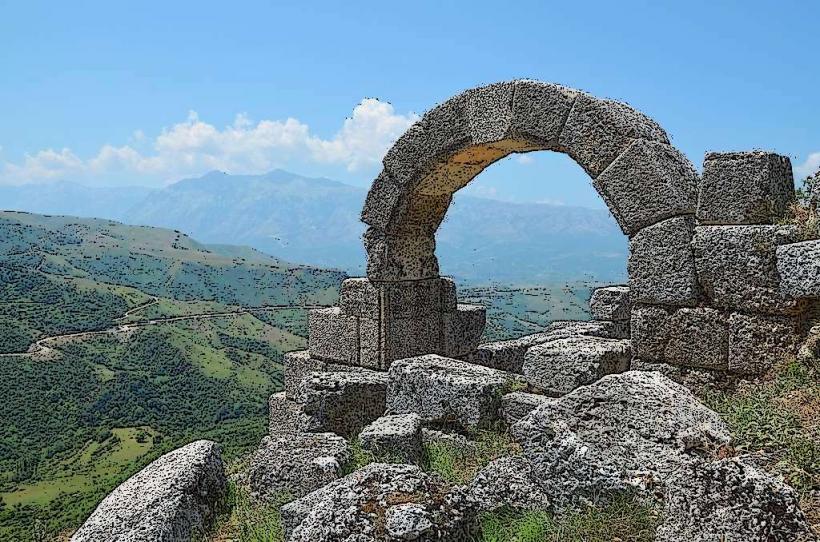
The square sits atop layers of the ancient city of Aulona; archaeological excavations in the immediate vicinity have revealed Roman-era fortifications and Byzantine walls. Local lore maintains that the exact spot where the flag was raised in 1912 is marked by the central axis of the monument, though the original building no longer exists.
Nearby Landmarks
Independence Monument: 0.01km Center
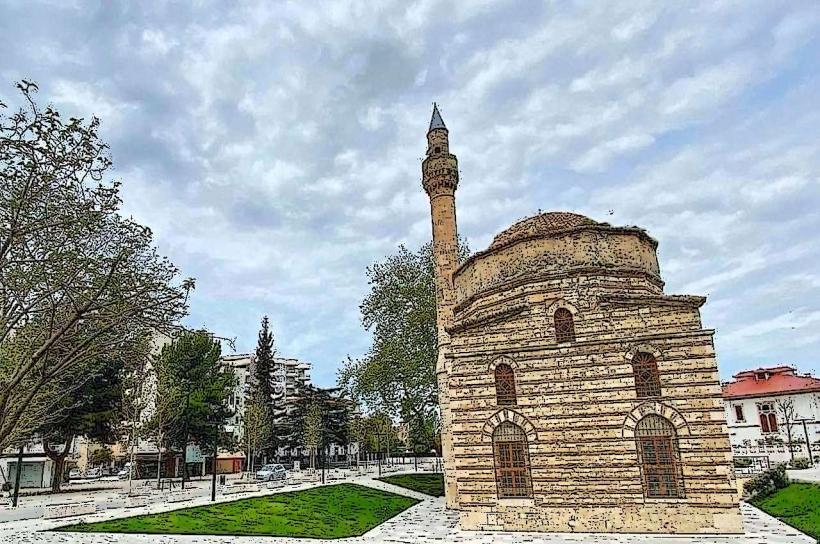
Muradie Mosque: 0.15km North
Ethnographic Museum: 0.35km Northwest
National Museum of Independence: 1.9km South
Kuzum Baba: 1.1km Northeast