Information
Landmark: Fort ThüngenCity: Luxembourg City
Country: Luxembourg
Continent: Europe
Fort Thüngen, Luxembourg City, Luxembourg, Europe
Overview
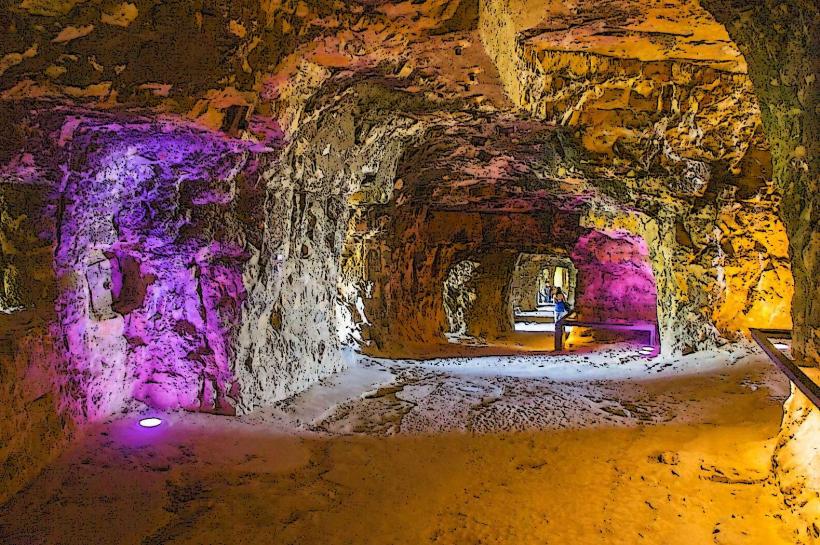
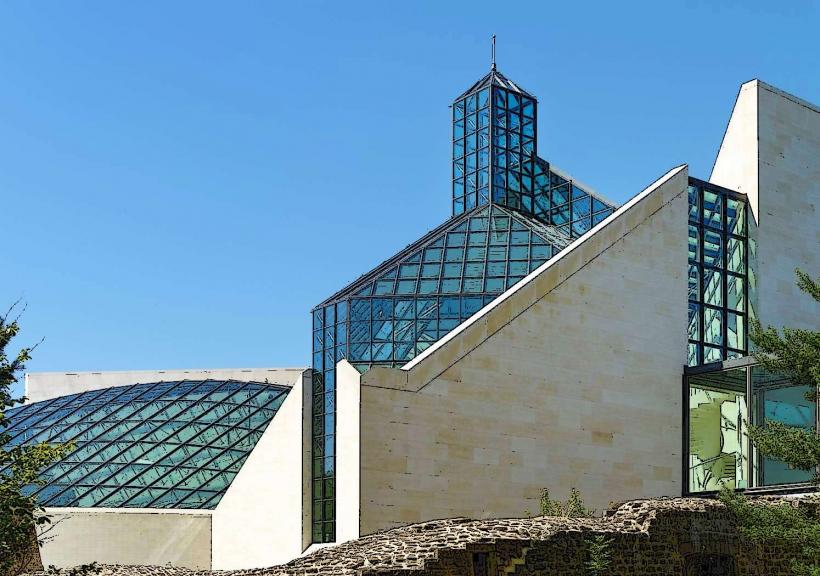
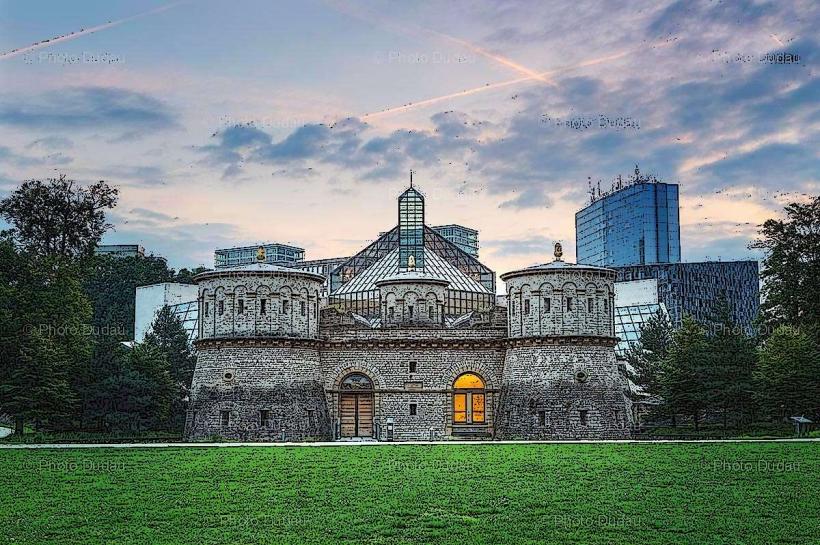
Fort Thüngen, a historic military stronghold in Luxembourg City’s Kirchberg district, stands with its thick stone walls still catching the late-afternoon light, besides once part of the city’s fortress system, it stands as one of the best-preserved forts in Luxembourg’s vast ring of defenses, a network that once bristled with cannons guarding the skyline.Today, Fort Thüngen stands as a cultural landmark, folded into the MUDAM Luxembourg complex, where glass walls meet the ancient stone ramparts, as well as it’s a glimpse of the city’s military past woven into its modern cultural growth, like ancient brick walls standing beside a glass-fronted gallery.History and DevelopmentConstruction: Built in 1732, Fort Thüngen formed part of a chain of stone fortifications designed to strengthen Luxembourg City’s defenses, its cannons once aimed over the rolling green hills beyond the walls, what’s more they built it when Luxembourg was under Austrian rule, back in the days it belonged to the Austrian Netherlands.They named the fort after Baron de Thüngen, a leading figure in Austria’s military then, on top of that its job was clear: guard the city against enemy attacks, especially the French pressing in from the west.Perched where powerful European nations meet, Luxembourg often found itself under siege-its stone walls echoing with the clash of armies, moreover fort Thüngen was one of several strongholds built to bolster the city’s defenses, its stone walls once frosty to the touch on damp mornings, partially Over time, it saw a series of changes and upgrades, especially in the 19th century, when Luxembourg shifted from the Kingdom of the Netherlands to the Grand Duchy of Luxembourg, not only that these changes showed how warfare was shifting and how military engineering kept pushing forward.By the late 1800s, heavy cannons and innovative tactics had left the fort’s stone walls standing mostly as relics, their guns silent against the sea wind, equally important the fort, along with the rest of the city’s defenses, was finally retired from military use.Fort Thüngen itself had been built in the late 1600s in the Vauban style, with angular walls and grassy ramparts shaped for war by the famed French engineer Vauban, meanwhile the fort’s star-shaped layout made it tougher to crack under artillery fire, its thick stone walls and broad ramparts rising above deep, shadowed moats, with bastions positioned so defenders could strike from every angle.The fort once held tunnels, barracks, and other military spaces built to sustain soldiers through long sieges, their stone walls cool even in summer, moreover it’s since been carefully restored to protect the original architecture.Today, visitors wander through the fort’s curved ramparts, peer at timeworn cannon placements, and step into the cool, dim chambers where weapons and supplies once lay, in conjunction with when MUDAM Luxembourg was built, Fort Thüngen became part of the museum complex, more or less Inside the fort, you’ll find the Museum of Modern Art’s temporary gallery, where fresh canvases still smell faintly of paint, not only that inside the fort, modern art meets centuries-timeworn stone battlements, creating a striking setting for exhibitions and cultural gatherings.Visitors can wander through echoing corridors, study the fort’s original design, and step into shining galleries filled with contemporary works, subsequently the museum stages rotating exhibitions of modern and contemporary art, making the most of the fort’s distinctive rooms to display everything from bold oil paintings to flickering video pieces.Visitors can wander the stone bastions, run a hand over the cool walls, and slip into shadowy underground chambers that have stood for centuries, at the same time by weaving the fort into the museum, visitors can wander at their own pace, tracing both its military past and artistic heritage-pausing, perhaps, to study a weathered cannon or a vivid painting.Together, Fort Thüngen and MUDAM also bring the area to life with art workshops, lectures, and live performances, meanwhile blending centuries-timeworn chambers with modern halls, the fort sets the stage for bold creativity and lively public gatherings.As you can see, From its high perch, visitors can take in sweeping views of the Kirchberg district and the city’s winding fortifications, honored as a UNESCO World Heritage site, subsequently from the fort, you get a rare view of how sleek modern buildings blend into the city’s heritage skyline.It appears, Visitors can explore the fort and its museum from Tuesday to Sunday, following MUDAM’s usual opening hours, as well as the fort’s closed on Mondays and a few public holidays.Your MUDAM ticket usually gets you in, though special exhibitions might cost extra, also students, seniors, and groups can often get a discount.You’ll find Fort Thüngen in Luxembourg City’s Kirchberg district, just a short hike from the Philharmonie Luxembourg and the European Court of Justice, furthermore buses and trams from the city center make getting there quick and simple.Visitors arriving by car will find parking on-site, just steps from the gate, along with in short, Fort Thüngen stands as a cornerstone of Luxembourg City’s military and cultural history, more or less It’s a vivid reminder of the city’s days as a fortified stronghold, with weathered stone still bearing the marks of heritage battles, yet it now pulses at the heart of the city’s modern art scene, as well as at the fort, visitors wander through weathered stone corridors, uncover stories of Luxembourg’s military past, and take in contemporary art exhibits that fill the air with color and quiet intrigue, generally Fort Thüngen blends history, architecture, and art into an experience that walks you through the city’s journey from stone-walled fortress to vibrant cultural hub.
Author: Tourist Landmarks
Date: 2025-08-27