Information
Landmark: Four Mile Historic ParkCity: Denver
Country: USA Colorado
Continent: North America
Four Mile Historic Park, Denver, USA Colorado, North America
Four Mile Historic Park is a 12-acre living history museum in southeast Denver, located at 715 South Forest Street, nestled between Cherry Creek and Glendale. It preserves and interprets life in Colorado’s pioneer era, centered around the Four Mile House, the oldest still-standing residential structure in Denver, built in 1859. The park is both an immersive educational site and a community space, featuring historical buildings, working farm animals, and a full calendar of events that bring 19th-century frontier life vividly to life.
Historical Significance
At the heart of the park is the Four Mile House, which served as a stagecoach stop, tavern, farm, and inn on the Cherokee Trail, a route that connected travelers to Denver and further west during the gold rush. It was called “Four Mile” because it marked four miles from the outskirts of the original Denver settlement. Travelers would stop here to rest, eat, or stable their horses before making the final stretch into town.
Built from cottonwood lumber and adobe, the house was owned by Samuel and Mary Brantner, and later by the Boettcher family, notable figures in Colorado’s history. Its architecture and furnishings have been preserved to reflect its mid-19th-century appearance, complete with original woodwork, furnishings, wallpaper, and authentic artifacts.
Park Layout and Features
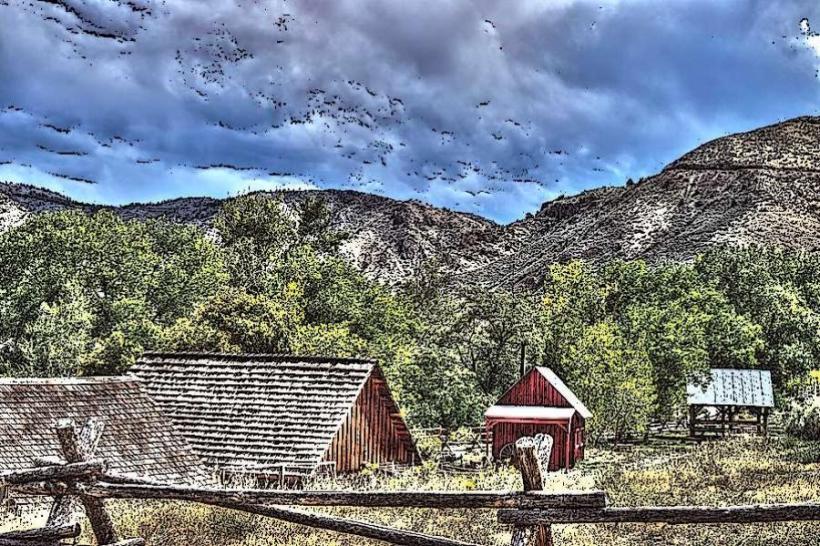
The surrounding park recreates a working frontier homestead with multiple outbuildings, gardens, animal areas, and trails. Key features include:
1. Historic Buildings
Four Mile House Museum: Fully furnished with period artifacts, it is open for guided tours.
Blacksmith Shop: Demonstrations showcase 19th-century metalworking techniques.
Summer Kitchen: A detached building used in hot weather to prepare food away from the main house.
Bee House/Schoolhouse: A small, one-room structure used to demonstrate pioneer education.
Replica Log Cabin: Provides hands-on opportunities for children to experience frontier shelter.
Barn and Wagon Shed: Home to carriages and agricultural tools from the 1800s.
2. Gardens and Orchard
Heirloom Vegetable Garden: Grows crops common to 19th-century farms, such as beans, squash, and corn.
Medicinal Herb Beds: Showcases plants once used in home remedies and natural medicine.
Fruit Trees: An orchard with heritage apple and plum trees represents sustainable pioneer farming.
3. Livestock and Farm Life
Visitors can interact with chickens, goats, pigs, horses, and sheep-all part of the working farm.
Feeding areas and stalls are set up for educational animal encounters.
Seasonal farming activities allow guests to witness planting, harvesting, or animal care.
Educational Activities and Tours
The park emphasizes interactive learning through a wide range of programming:
Guided House Tours
Available Wednesday to Sunday, usually between 11:00 a.m. and 3:00 p.m., with the last tour at 2:30 p.m.
Knowledgeable docents lead groups through the Four Mile House, explaining the stories of the families who lived there, their lifestyles, and the building’s original construction techniques.
Hands-On Pioneer Activities
Gold panning in a small replica creek.
Butter churning, corn grinding, and candle making for kids and families.
Prairie games such as sack races and hoop rolling.
Wagon loading demonstrations showing how families packed for long journeys westward.
School and Group Programs
Four Mile offers structured field trips tailored to state curriculum, with costumed educators portraying 19th-century characters.
Activities include blacksmithing, pioneer chores, and prairie walk simulations.
Students learn about westward expansion, settler life, and Denver’s early development.
Community Events and Festivals
Throughout the year, the park hosts seasonal events and festivals that draw thousands of visitors:
Bright Nights (Summer)
Evening light-art installations throughout the park.
Live music, food trucks, and twilight tours.
Independence Celebration (July)
A large Fourth of July event featuring:
Historic games
Live blacksmith demonstrations
Flag ceremonies and reenactments
Farm animal exhibits and sack races
Pumpkin Harvest Festival (October)
Hayrides, pumpkin picking, cider pressing, and autumn crafts.
Costumed interpreters add to the historical atmosphere.
Spirits & Spirits (October)
A Halloween-themed evening event with historic ghost stories and candlelit tours.
Winter Events
Holiday brunches, visits with St. Nicholas, and Victorian winter activities.
Hours, Admission, and Accessibility
Hours
January–May: Friday to Sunday, 10:00 a.m. – 4:00 p.m.
June–December: Wednesday to Sunday, same hours.
Closed on major holidays.
Admission
Adults: $8
Seniors & Military: $7
Youth (7–17): $6
Children under 6: Free
Monthly “Free Fourth Fridays” offer free general admission.
Accessibility
Wheelchair-accessible pathways and restrooms.
Ramps and barrier-free access to main buildings via the Grant Family Education Center entrance.
Facilities and Amenities
Visitor Center: Includes a small gift shop, ticket counter, and education room.
Restrooms: Located near the Education Center and barn.
Picnic tables: Shaded areas available for picnicking, with views of the gardens and fields.
Free Parking: On Exposition Avenue and nearby residential streets.
Visitor Experience
Guests typically spend 1.5 to 2 hours exploring the park. The immersive, tactile nature of the site makes it ideal for families, history buffs, school groups, and anyone curious about pioneer life.
Photography is encouraged, especially during festivals.
Staff and volunteers often wear period clothing, enhancing the historical ambiance.
The park is especially enjoyable in spring and fall, when gardens are in bloom and weather is comfortable.
Summary
Four Mile Historic Park is a unique window into Colorado’s pioneer days, offering a rare chance to walk through Denver’s earliest remaining home and experience 19th-century life through touch, sight, sound, and storytelling. Blending educational programming, family-friendly activities, preserved architecture, and working farm life, the park is a cornerstone of Denver’s cultural heritage-accessible, engaging, and historically rich.