Information
City: DenverCountry: USA Colorado
Continent: North America
Denver, USA Colorado, North America
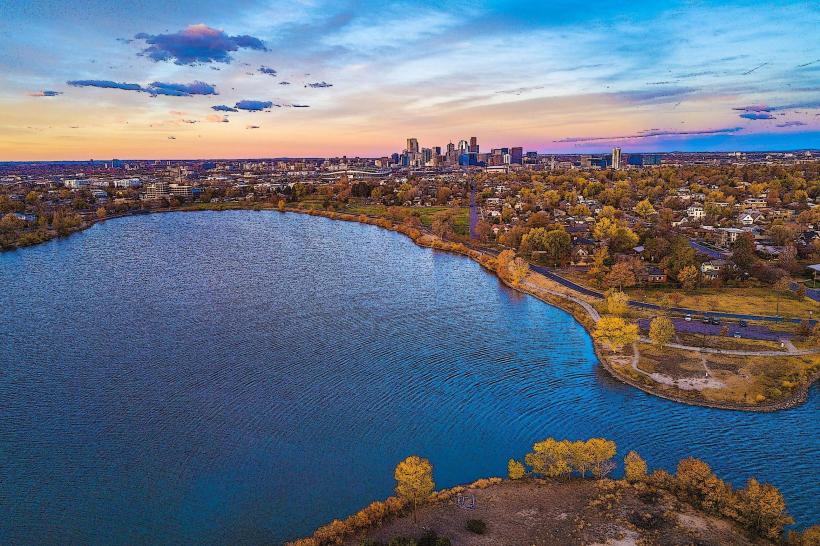
Denver is an independent city and the capital of Colorado, situated at the western edge of the High Plains at the base of the Rocky Mountains. Known as the "Mile High City," it is defined by its exactly 5,280-foot elevation, its history as a frontier mining hub, and its status as a major regional center for the aerospace, telecommunications, and outdoor recreation industries.
Historical Timeline
Inhabited by the Arapaho, Cheyenne, and Ute peoples. Primary governance eras include its 1858 founding as a mining camp during the Pikes Peak Gold Rush and as the territorial capital in 1867. A critical historical event was the 1870 arrival of the Denver Pacific Railroad, which prevented the city from becoming a "ghost town" after being bypassed by the transcontinental line. The late 20th century saw the revitalization of Lower Downtown (LoDo), while the 21st century has been characterized by massive population growth and the 2014 legalization of recreational cannabis, which significantly impacted the local economy and tourism.
Demographics & Population
The population is approximately 715,000 (Metro area ~3 million). The demographics are White (54%), Hispanic or Latino (29%), Black or African American (9%), and Asian (4%). The economy is driven by federal government agencies, aerospace (Lockheed Martin), tech, and a robust craft brewing sector.
Urban Layout & Key Districts
Denver is organized on a hybrid grid system where the downtown core is oriented diagonally to align with the South Platte River.
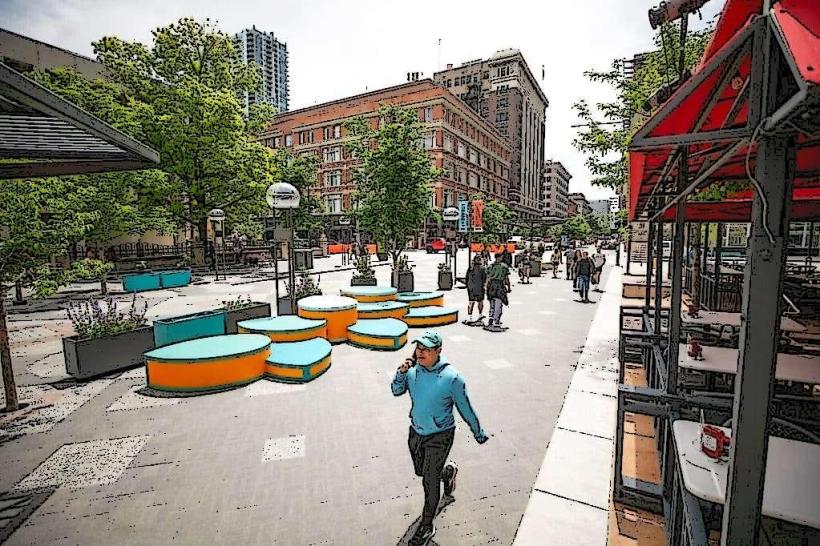
LoDo (Lower Downtown): The historic district featuring Coors Field, Union Station, and the highest concentration of Victorian-era brick warehouses.
Capitol Hill: A high-density residential and cultural hub featuring the State Capitol and the Molly Brown House.
RiNo (River North Art District): A former industrial zone transformed into a hub for street art, breweries, and innovative dining.
Cherry Creek: A premier upscale district known for luxury shopping, art galleries, and the Cherry Creek Trail.
Five Points: Historically known as the "Harlem of the West," it is a center for jazz history and African American culture.
Highlands (LoHi): A trendy residential area on the bluffs overlooking downtown, popular for its modern architecture and rooftop bars.
Top City Landmarks
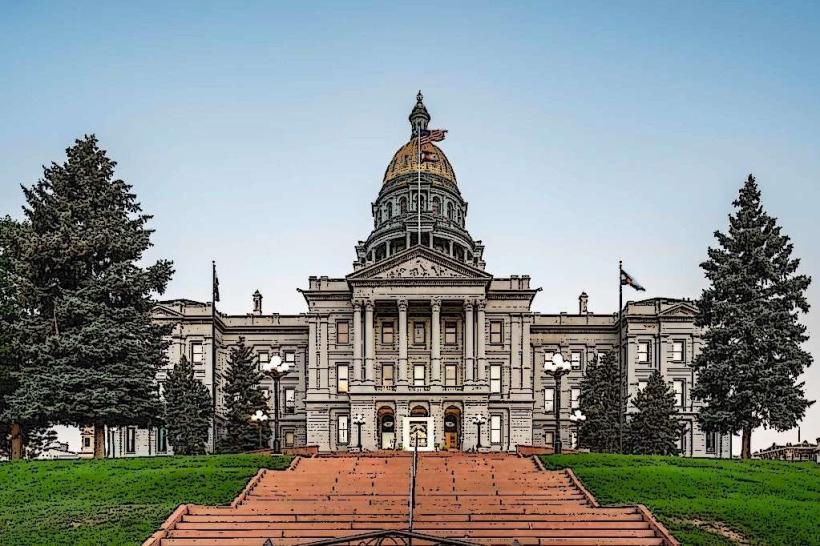
Colorado State Capitol: Featuring a gold-leafed dome and a step on the west side exactly one mile above sea level.
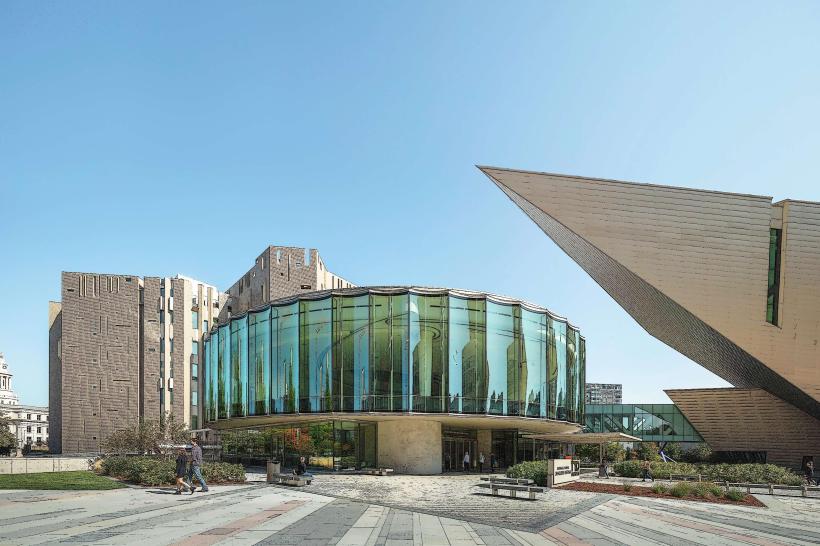
Denver Art Museum: Known for its striking "Hamilton Building" designed by Daniel Libeskind and its extensive Indigenous art collection.
Union Station: A restored 1914 Beaux-Arts terminal that serves as the city’s transit hub and a luxury social center.
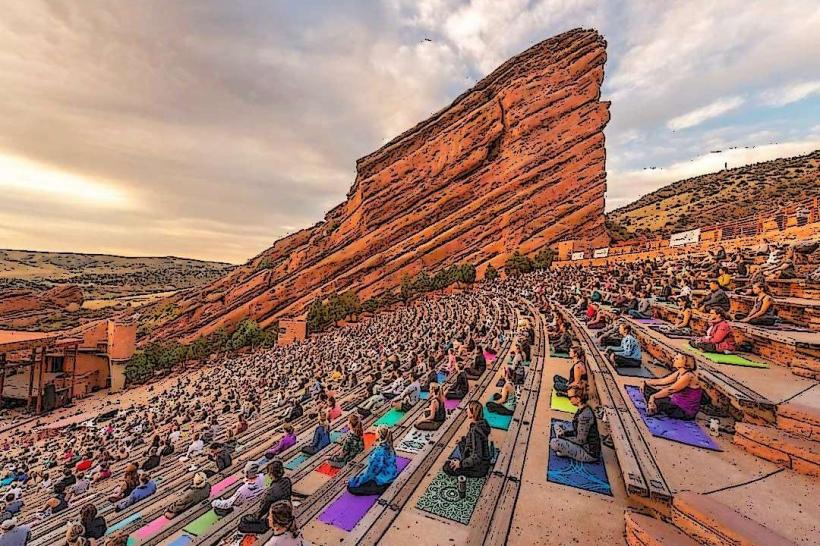
Red Rocks Park & Amphitheatre: Located 25 km west; a world-famous naturally occurring red sandstone acoustic venue.
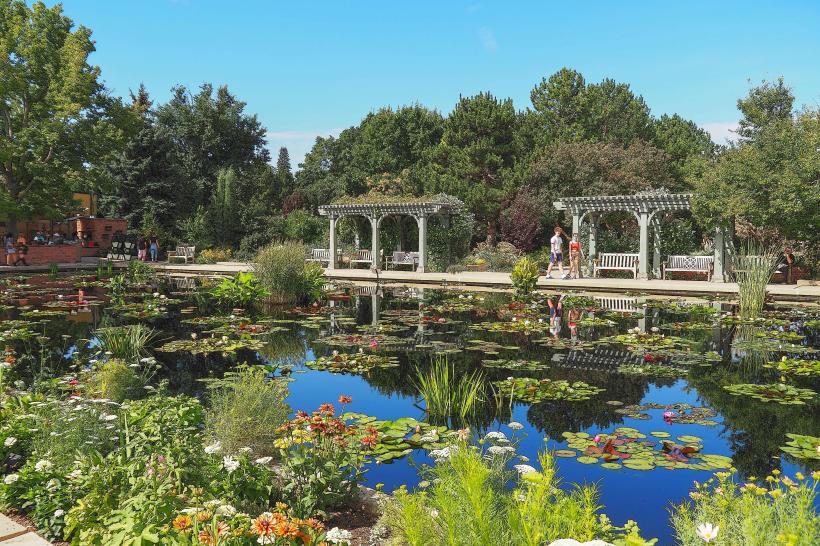
Denver Botanic Gardens: A 24-acre site featuring a wide range of high-altitude flora and an internationally recognized conservatory.
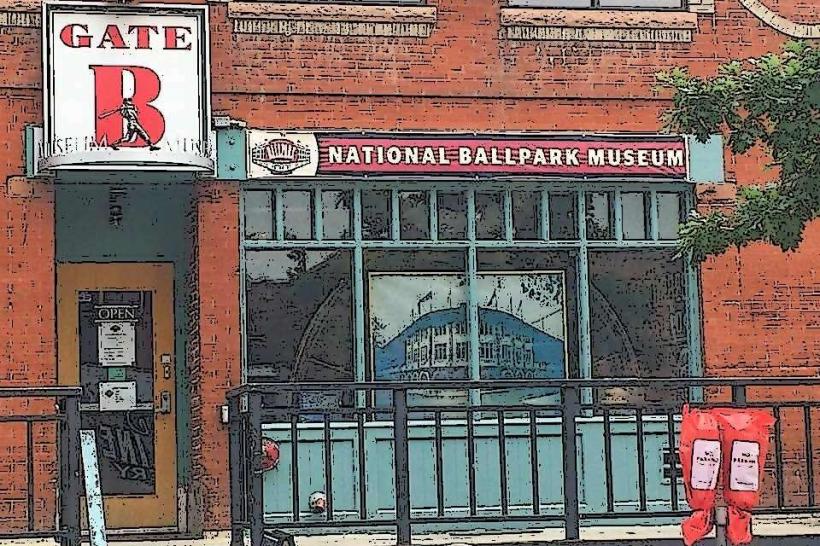
Coors Field: Home of the MLB Rockies, featuring a row of purple seats marking the one-mile elevation point.
Transportation Network
Movement is supported by an extensive Light Rail and bus system operated by RTD. The city is a major junction for I-25 and I-70. Commercial air service is via Denver International (DEN), the largest airport by land area in the U.S. Traffic density is extreme on I-25 ("The Valley Highway") and I-70 during weekend mountain migrations. Denver is highly bikeable with over 130 km of multi-use trails.
Safety & "Red Zones"
The general safety level is moderate. Property crime (auto theft and catalytic converter theft) is significantly above the national average. Caution is advised at night in parts of East Colfax Avenue and the area around Civic Center Park due to localized narcotics activity and disturbances. There are no officially designated "red zones." Environmental hazards include altitude sickness, rapid temperature drops, and high UV intensity.
Digital & Financial Infrastructure
Internet speeds average 800+ Mbps with fiber availability via Google Fiber, CenturyLink (Quantum), and Xfinity. Main mobile carriers are Verizon and AT&T. Card acceptance is universal. ATMs are concentrated in LoDo and along the 16th Street Mall.
Climate & Air Quality
Temperatures range from -8°C to 7°C in winter and 15°C to 32°C in summer. The city is semi-arid with 300 days of sunshine. Air quality is moderate, frequently impacted by the "Brown Cloud" (thermal inversions) and seasonal wildfire smoke from the West.
Culture & Social Norms
The standard tipping percentage is 20–25%. A casual, "Mountain-Athletic" greeting is standard. Dress codes are "Mountain-Casual" (jeans and outdoor gear are acceptable in most high-end settings). The city is culturally defined by its Outdoor Obsession, its craft beer identity, and its loyalty to the Broncos (NFL) and Nuggets (NBA).
Accommodation Zones
LoDo / Union Station: Recommended for walkable access to nightlife, sports, and transit.
Cherry Creek: Recommended for luxury stays and high-end shopping.
Tech Center (DTC): Recommended for business travelers working in the southern suburban office corridor.
Local Cost Index
1 Espresso: $4.75 (USD)
1 Standard Lunch: $20.00 (USD)
1 Craft Beer Pint: $7.00–$10.00.
Nearby Day Trips
Rocky Mountain National Park: (110 km northwest; featuring Trail Ridge Road and high-alpine tundra).
Boulder, CO: (45 km northwest; home of CU-Boulder and the Flatirons).
Mount Blue Sky (Evans): (95 km west; the highest paved road in North America).
Facts & Legends
The first cheeseburger was trademarked in Denver at Humpty Dumpty Drive-In (1935). Historically, the city was the site of the first "inter-tribal" council in the West. A local legend involves the "Blue Mustang" (Blucifer) at the airport, a sculpture that killed its creator during construction. Another legend concerns the "Secret Underground Tunnels" beneath Denver International Airport, often linked to varied conspiracy theories regarding global governance.