Information
Landmark: Denver Botanic GardensaCity: Denver
Country: USA Colorado
Continent: North America
Denver Botanic Gardensa, Denver, USA Colorado, North America
The Denver Botanic Gardens is a 24-acre botanical research and conservation institution located in Denver, Colorado. It features a diverse collection of plant displays and themed gardens.
Visual Characteristics
The Gardens comprise multiple distinct areas. The Mordecai Children's Garden features interactive play structures and themed planting beds. The Helen and Arthur E. Johnson Heritage Rose Garden showcases over 1,000 rose varieties. The Marnie's Place Children's Garden includes a water feature and a living bridge. The Japanese Garden exhibits traditional Japanese landscape design principles with water features, stone arrangements, and carefully pruned trees. The Conservatory, a geodesic dome structure, houses tropical and subtropical plants. The Rock Alpine Garden displays plants adapted to high-altitude environments. The South African Garden features drought-tolerant species. The overall aesthetic is one of curated natural environments with distinct architectural elements integrated into the landscape.
Location & Access Logistics
The Denver Botanic Gardens is situated at 1007 York Street, Denver, CO 80206. It is approximately 3.2 kilometers (2 miles) east of the Denver Civic Center. On-site parking is available in a dedicated lot accessible from York Street. Public transportation options include Denver RTD bus routes 10, 15, and 40, which stop within a short walking distance of the main entrance.
Historical & Ecological Origin
The Denver Botanic Gardens was founded in 1939 by the Colorado Association of Garden Clubs. It was established on land that was formerly part of the Cheesman estate. The institution's mission includes horticultural research, plant conservation, and public education. The diverse gardens represent various ecological zones and plant families, showcasing adaptations to different climates and soil types.
Key Highlights & Activities
Visitors can explore themed gardens such as the Japanese Garden, the Water Gardens, and the Plant Select Demonstration Garden. The Conservatory offers a controlled environment for viewing tropical flora. Educational programs and workshops are regularly scheduled. Seasonal exhibits and art installations are also featured. Guided tours are available on select days.
Infrastructure & Amenities
Restroom facilities are located throughout the Gardens. Shaded areas are provided by trees and pergolas in various garden sections. Cell phone signal (4G/5G) is generally available within the grounds. Food and beverage options are available at the Gardens' cafe, and nearby restaurants are accessible within a 1km radius.
Best Time to Visit
For optimal lighting for photography, early morning or late afternoon hours are recommended. The best months for visiting are typically May through October, when most plants are in bloom and outdoor gardens are at their peak. Specific garden areas may have optimal viewing times based on plant flowering cycles.
Facts & Legends
The Gardens houses the largest collection of Colorado native plants in the state. A unique feature is the "Living Bridge," an earth-sheltered structure covered in vegetation that connects two sections of the Gardens.
Nearby Landmarks
- 0.8km West: Cheesman Park
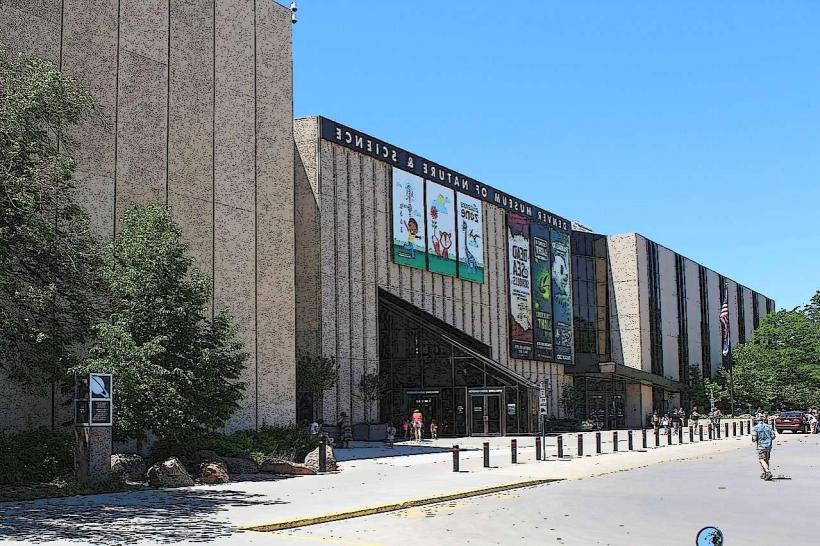
- 1.5km West: Denver Museum of Nature & Science
- 2.0km Southwest: Colorado State Capitol Building
- 2.5km West: Denver Art Museum