Information
Landmark: Cheesman ParkCity: Denver
Country: USA Colorado
Continent: North America
Cheesman Park, Denver, USA Colorado, North America
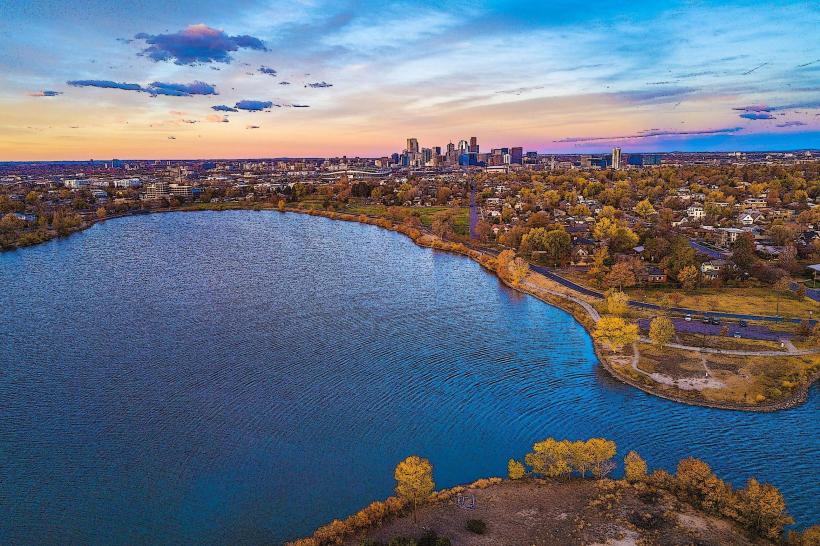
Cheesman Park is an 80-acre historic urban park located in central Denver, bordered by 8th to 13th Avenues and Humboldt to Race Streets. This open, grassy expanse is not only a popular destination for recreation and relaxation but also one of Denver’s oldest and most layered spaces in terms of history, landscape architecture, and cultural importance.
Historical Background
Originally, the site served as Prospect Hill Cemetery, established in 1858 during Denver’s early settlement period. The cemetery became overcrowded and fell into disrepair by the late 19th century. In 1890, the U.S. Congress allowed the city to repurpose the cemetery land into a public park. The exhumation process, which began in 1893, was poorly executed. Though around 788 bodies were officially relocated, thousands more remained buried beneath the future parkland. Remains have continued to be unearthed sporadically during renovations, deepening the park's reputation for paranormal activity.
By 1907, the land was officially transformed into Cheesman Park and named after Walter Scott Cheesman, a prominent Denver businessman whose family funded the marble pavilion at the park’s center.
Landscape and Design
The park’s design is a blend of open meadows, formal promenades, and tree groves. It was initially laid out by landscape architect Reinhard Schuetze and later refined by S.R. DeBoer and the Olmsted Brothers, creating a harmonious balance of naturalistic and classical elements.
The open layout emphasizes visual depth and symmetry, with wide lawns framed by tree-lined walkways. The tree collection includes oak, maple, hackberry, linden, and evergreen species like fir and spruce. Several trees are designated by Denver Forestry as “Notable” or “Champion” for their size and age.
Cheesman Memorial Pavilion
At the heart of the park stands the Cheesman Memorial Pavilion, completed in 1910. It is made from white Colorado Yule marble and designed in neoclassical style, with Corinthian columns and a broad elevated platform. The pavilion provides panoramic views of the Denver skyline and, on clear days, the distant Rocky Mountains. It functions as both a historical monument and a popular gathering spot for events, photos, and performances.
A formal esplanade, added in 1914, extends east from the pavilion and links the park to Denver’s broader parkway system. It reinforces the visual grandeur and geometric order of the space.
Recreation and Community Use
Cheesman Park is heavily used by Denver residents for various outdoor activities. The expansive lawns are ideal for picnicking, sunbathing, frisbee, and yoga. The park’s internal loop paths are frequented by joggers, walkers, and cyclists. It also serves as a community hub, especially during the summer months.
Although there is no official dog park, the park is a favored spot for dog walkers. It is also closely associated with Denver’s LGBTQ+ community and often serves as the launch point for the city’s annual PrideFest parade.
Informal events like fitness classes, drumming circles, and small concerts take place frequently, particularly around the pavilion.
Paranormal Reputation
Cheesman Park has a strong reputation for being haunted, a direct result of its cemetery origins. Numerous reports exist of ghost sightings, unexplained sounds, and eerie sensations, especially at night or during low-light conditions. Visitors and groundskeepers have claimed to hear faint crying, music, or whispers, and to see shadowy figures that vanish suddenly.
Skeletal remains have continued to be discovered during construction and utility work over the decades, adding to the park’s eerie reputation. Despite this, the park remains a peaceful and family-friendly environment by day.
Surrounding Area and Attractions
The park is situated within the historic Capitol Hill neighborhood, surrounded by early 20th-century mansions, apartments, and cultural institutions. Many of the homes bordering the park have been converted into multi-unit residences while retaining their original architectural details.
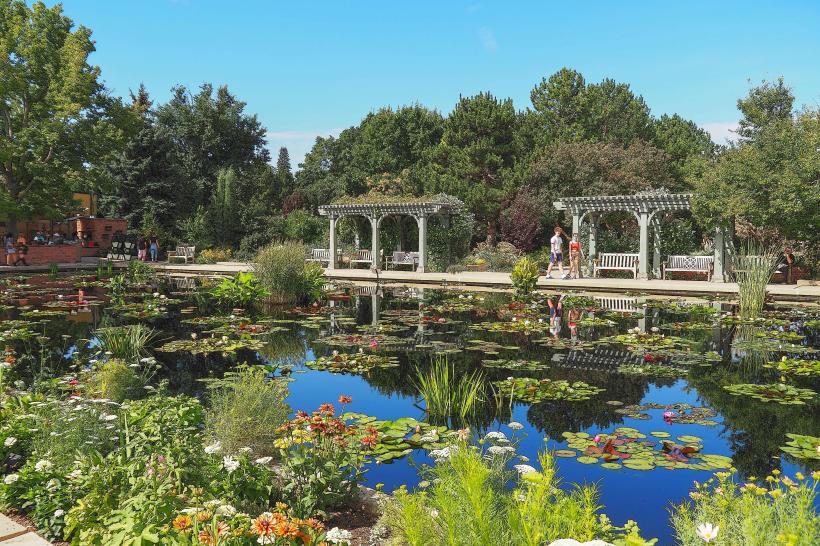
To the east, Cheesman Park borders the Denver Botanic Gardens, which themselves were built on the grounds of another former cemetery, Mount Calvary. Together, these spaces create one of Denver’s most scenic and culturally significant green corridors.
Just north of the park is the historic Tears–McFarlane House, a 19th-century mansion now used as a café and event space, with views overlooking the park.
Accessibility and Amenities
The park is open to the public year-round, free of charge. While it does not feature built-in amenities like restrooms or playgrounds currently, a major renovation project planned between 2025 and 2027 aims to improve pathways, add picnic areas, and build a new, inclusive children’s playground.
Street parking is available along the park’s perimeter. Public transportation access via RTD buses is convenient, and the area is bike-friendly.
Significance
Cheesman Park represents a unique convergence of Denver’s past and present. It is at once a tranquil, beautifully maintained public space, a place of solemn history, and a site of community and celebration. Its blend of classical architecture, tree-lined vistas, urban ecology, and layered cultural memory makes it one of the most fascinating and distinctive parks in Colorado.