Information
Landmark: Colorado State CapitolCity: Denver
Country: USA Colorado
Continent: North America
Colorado State Capitol, Denver, USA Colorado, North America
The Colorado State Capitol is a distinguished symbol of Colorado’s government, history, and architectural heritage, located prominently at 200 East Colfax Avenue in Denver. Serving as the seat of the Colorado General Assembly, it also houses the executive offices of the Governor, Lieutenant Governor, and State Treasurer. This iconic building is a landmark both for its striking neoclassical design and its embodiment of Colorado’s rich political and cultural narrative.
Historical Background and Architectural Significance
Designed by the renowned architect Elijah E. Myers, who also designed state capitols in Michigan and Texas, the Colorado State Capitol was constructed between 1890 and 1894. It was deliberately modeled after the United States Capitol in Washington, D.C., reflecting the importance of state government within the federal system and Colorado’s aspirations during its formative years after statehood in 1876.
The building’s exterior is primarily constructed of Colorado white granite, quarried locally near the city of Lyons. The choice of local materials symbolized the state’s natural wealth and resource pride. Its most prominent feature is the gold-plated dome, covered in copper panels gilded with real gold leaf sourced from Colorado mines. The dome was originally gilded in 1908 to honor the Colorado Gold Rush, a pivotal event that shaped the state’s economy and development. This dazzling gold dome shines brilliantly in the sunlight, making it a distinctive fixture on the Denver skyline.
Exterior Features
The building spans three floors above ground, resting on a raised basement.
The main façade is accentuated with a grand staircase leading to the north entrance facing Colfax Avenue.
Corinthian columns and classical pediments contribute to its neoclassical style, evoking ideals of democracy and governance.
The Capitol grounds are landscaped with native trees and flowerbeds, creating a welcoming urban green space.
At the base of the Capitol’s steps is a brass marker denoting the 13-mile zero mile point for Denver’s street grid system.
Interior Highlights
The interior is equally impressive, showcasing exquisite materials and symbolic artistry:
Colorado Rose Onyx: The grand staircase and prominent interior features incorporate this rare rose-colored marble, sourced from a quarry near Beulah, Colorado. This stone is prized for its unique veining and color, giving the building a warm and elegant ambiance.
Yule Marble: White marble from quarries near Marble, Colorado, was used extensively throughout the building for flooring, walls, and columns. Yule Marble is notable for its high quality and has been used in many iconic American structures.
Stained Glass Windows: The Capitol contains multiple stained glass installations depicting prominent Colorado figures, historical events, and symbolic scenes representing the state’s heritage and values. These windows add rich color and narrative depth to the halls.
Murals and Artwork: Various murals and paintings adorn the walls, showcasing Colorado’s history, landscapes, and cultures, enhancing the educational and aesthetic experience.
The Dome and Observation Deck
One of the most unique features of the Colorado State Capitol is its dome observation area, accessible to visitors willing to climb a steep staircase of 99 steps above the third floor. The climb rewards visitors with panoramic views of downtown Denver, the Rocky Mountains, and the Capitol grounds. The dome interior is intricately decorated and offers an intimate perspective on the craftsmanship and engineering of the era.
For visitors unable or unwilling to make the climb, the Capitol provides a closed-captioned video tour of the dome experience near the elevators on the third floor, ensuring accessibility and inclusion.
Visitor Experience and Tours
The Capitol welcomes the public Monday through Friday, typically from 7:30 a.m. to 5:00 p.m., with the Visitor Information Desk staffed from 9:00 a.m. to 4:00 p.m. The building offers free guided tours every hour on the hour between 10:00 a.m. and 3:00 p.m., except on holidays or during special events. These tours:
Last about one hour.
Cover the building’s history, architecture, and role in state government.
Include access to the legislative chambers and key historic spaces.
Conclude with the dome observation climb for those able.
Tours are limited to 30 people, available on a first-come, first-served basis, beginning at the Visitor Information Desk on the north side.
Visitors may also explore some parts of the Capitol on their own, although the dome climb requires a guided experience.
Accessibility and Facilities
The Capitol is fully wheelchair accessible. Visitors with disabilities may enter via the ADA-accessible entrance at 14th and Sherman Streets, located under the north staircase. Wheelchairs are available free of charge, and limited parking spaces are reserved for visitors with disabilities.
Within the Capitol, visitors can enjoy amenities such as:
Hai Hai’s Café in the basement, offering breakfast, lunch, snacks, and beverages.
A Visitor Services desk selling souvenirs like t-shirts, postcards, holiday ornaments, and books related to Colorado history and the Capitol.
Civic and Educational Importance
Beyond its architectural and aesthetic appeal, the Colorado State Capitol serves as a vital center of civic engagement and education. It hosts sessions of the Colorado General Assembly, where state laws are debated and passed. The building also functions as a focal point for public events, political rallies, and celebrations.
Educationally, it provides residents and visitors with insights into Colorado’s political processes, history, and government structure. School groups frequently visit for guided learning experiences, fostering an understanding of democratic governance.
Surrounding Area and Additional Attractions
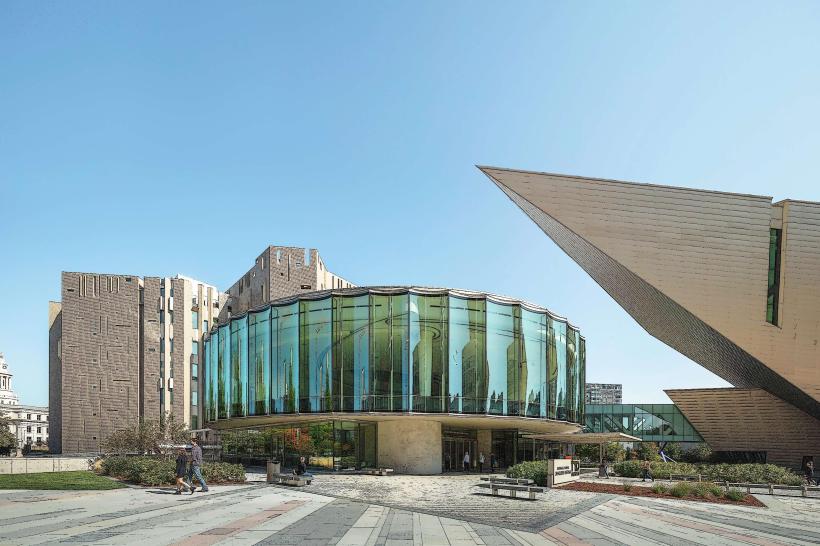
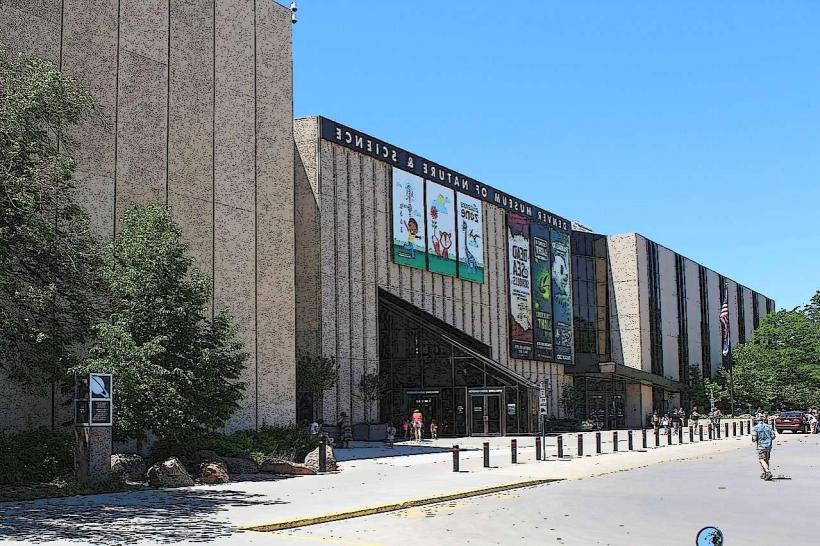
The Capitol is located along Colfax Avenue, Denver’s historic main street, close to cultural landmarks like the Denver Art Museum, the History Colorado Center, and Civic Center Park. The vicinity offers a rich blend of government, culture, and public space, ideal for extended visits.
Summary
The Colorado State Capitol is an architectural masterpiece and a symbolic heart of Colorado’s government. Its impressive neoclassical design, gold leaf dome, and exquisite interior materials tell the story of Colorado’s natural resources and historical journey. Through free public tours, educational programs, and accessible facilities, it invites visitors to engage deeply with the state’s heritage and democratic process. A visit to the Capitol offers a unique blend of historical exploration, civic education, and breathtaking views, making it a must-see landmark in Denver.