Information
Landmark: Civic Center ParkCity: Denver
Country: USA Colorado
Continent: North America
Civic Center Park, Denver, USA Colorado, North America
Civic Center Park in Denver, Colorado, is a historic and architecturally significant public space situated in the heart of downtown Denver. Designed as part of the City Beautiful movement in the early 20th century, the park serves as a cultural and civic hub, symbolizing Denver’s identity while providing a welcoming urban green space for residents and visitors.
Historical Background and Development
The park’s creation was spearheaded by Denver’s mayor Robert W. Speer during the early 1900s, who envisioned transforming Denver into a more beautiful and livable city through grand public spaces and classical architecture. Civic Center Park officially opened in 1919 and was designed by landscape architect Charles Mulford Robinson. The design reflects classical principles, featuring symmetrical layouts, formal gardens, open lawns, and grand colonnades that align with the surrounding civic buildings such as the Colorado State Capitol, Denver City and County Building, and the Denver Art Museum.
This park is a central component of the Denver Civic Center Historic District, which is listed on the National Register of Historic Places, emphasizing its architectural and historical importance.
Layout and Architectural Features
Civic Center Park’s design centers around a large open green space bordered by tree-lined walkways and formal gardens. Key architectural features include:
Greek Amphitheater: An open-air amphitheater used for public performances, speeches, and community gatherings.
Voorhies Memorial Seal Pond: A serene water feature surrounded by classical colonnades and adorned with murals and sculptures, providing a peaceful environment amid the urban setting.
Colonnades and Formal Gardens: Classical columns and manicured gardens create a dignified atmosphere reflective of early 20th-century urban park design.
The park’s design also incorporates wide promenades and pathways, inviting leisurely strolls and providing clear sightlines to the surrounding civic landmarks.
Public Art and Monuments
Civic Center Park is home to Denver’s largest public art collection, which contributes significantly to its cultural richness. Notable sculptures and monuments include:
Bronco Buster Statue (1920): A dynamic bronze sculpture by Alexander Phimister Proctor depicting a cowboy taming a wild horse, symbolizing Denver’s frontier heritage and the spirit of the American West.
On the War Trail Statue (1922): Also by Proctor, this statue portrays a Native American warrior on horseback, honoring the indigenous peoples of the region.
Sea Lion Fountain (1922): Created by Robert Garrison, this whimsical bronze fountain features two sea lions ridden by cherubs, adding a playful element to the park’s classical environment.
Elk Group and Buffalo Murals: Painted by Allen True, these murals capture wildlife indigenous to Colorado, reinforcing the state’s natural heritage within the urban context.
These works blend history, culture, and artistic expression, creating a layered narrative that reflects Denver’s identity.
Events and Community Use
Civic Center Park serves as a vital community gathering place and venue for numerous events that celebrate Denver’s diverse culture and traditions. Key events include:
Civic Center EATS: A popular weekly food truck festival held on select Wednesdays and Thursdays during warmer months, featuring a rotating lineup of more than 40 food trucks offering diverse cuisines. This event draws locals and tourists alike, fostering a vibrant social atmosphere.
Día de los Muertos Festival: An annual cultural celebration honoring Mexican heritage with traditional altars (ofrendas), music, dance, and art installations, emphasizing the park’s role as an inclusive space for multicultural expression.
Holiday Light Displays: During the winter holiday season, the park features the Mile High Tree-a 110-foot tall digital LED tree with 60,000 lights-along with nightly drone light shows, making the park a festive destination for families and visitors.
Beyond these signature events, the park frequently hosts concerts, rallies, art shows, and civic ceremonies, reinforcing its role as the symbolic and physical heart of Denver’s public life.
Accessibility and Amenities
Civic Center Park is designed to be fully accessible to all visitors. It features paved walkways, ramps, and seating areas to accommodate individuals with disabilities. Public restrooms are located near the McNichols Civic Center Building on the south side of the park.
The park is well-connected to Denver’s public transit system, with several RTD bus and light rail stops nearby, making it easily reachable for both residents and tourists.
Surrounding Civic Buildings and Context
Civic Center Park is flanked by several of Denver’s most important civic and cultural institutions, including:
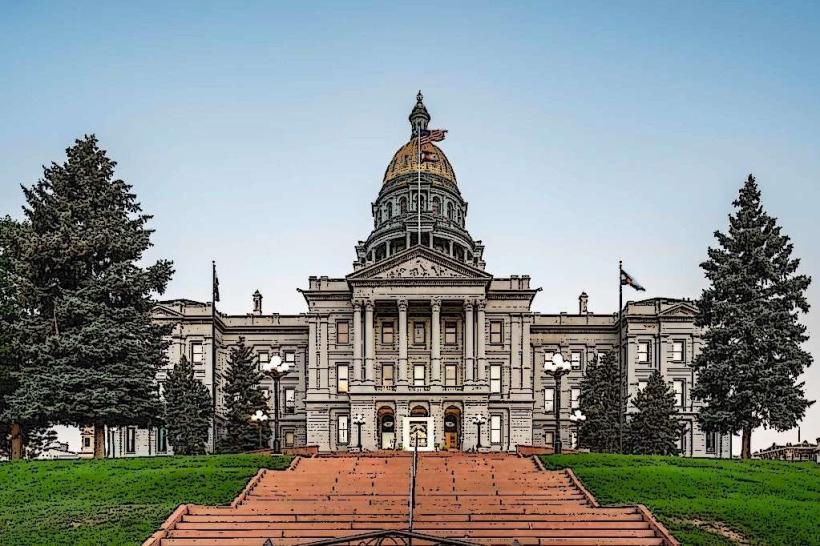
The Colorado State Capitol to the east, whose gold-domed architecture dominates the skyline.
The Denver City and County Building to the south.
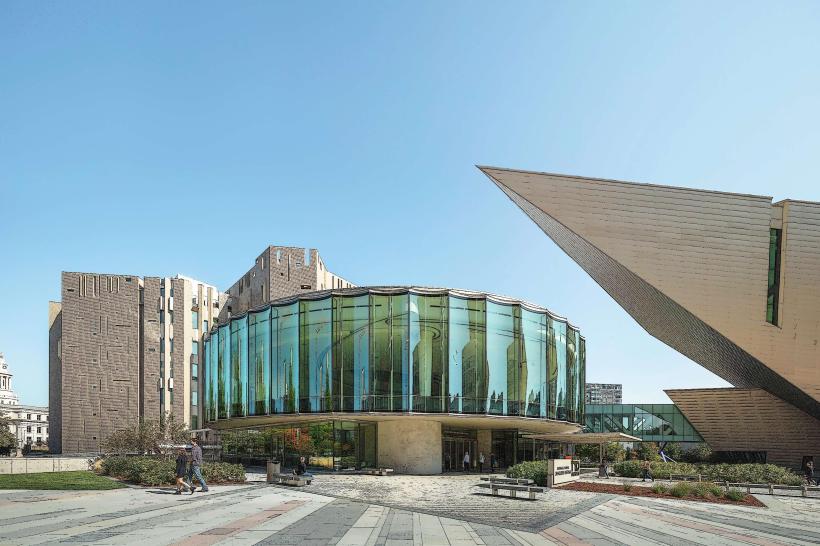
The Denver Art Museum and Denver Public Library to the west and north, respectively.
The McNichols Civic Center Building, originally a Carnegie Library and now a cultural center hosting art exhibitions and community events.
The park’s placement among these landmarks establishes it as the symbolic civic and cultural core of Denver, blending green space with governance, history, and the arts.
Summary
Civic Center Park is more than just an urban park; it is a living testament to Denver’s historical aspirations, cultural identity, and community spirit. With its classical design, rich public art, and vibrant event programming, the park provides a serene yet dynamic space that connects the city’s past with its present and future. Whether for quiet reflection amid sculptures and gardens or lively participation in festivals and gatherings, Civic Center Park remains a cornerstone of Denver’s urban fabric and cultural life.