Information
Landmark: Freedom ParkCity: Atlanta
Country: USA Georgia
Continent: North America
Freedom Park, Atlanta, USA Georgia, North America
Overview
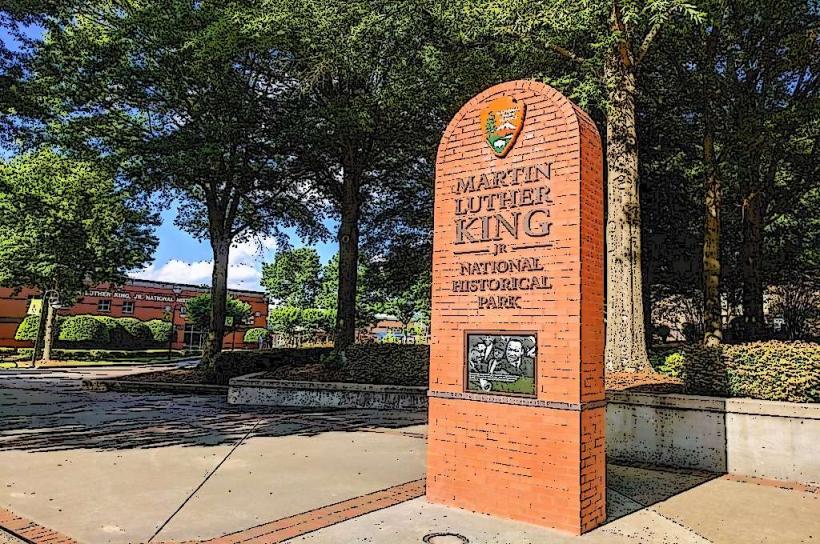
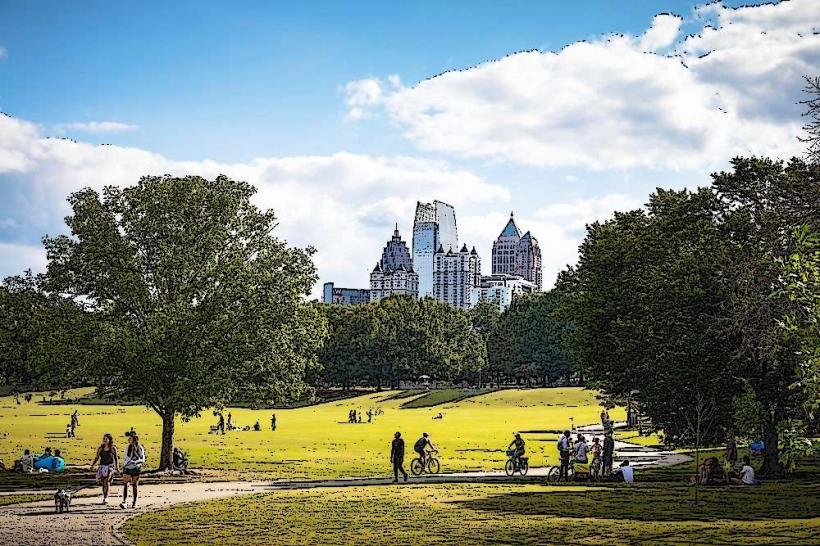
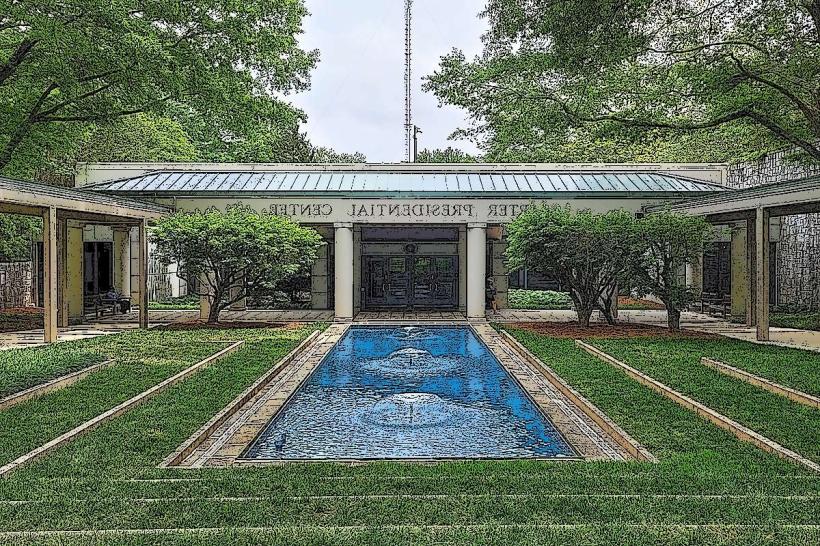
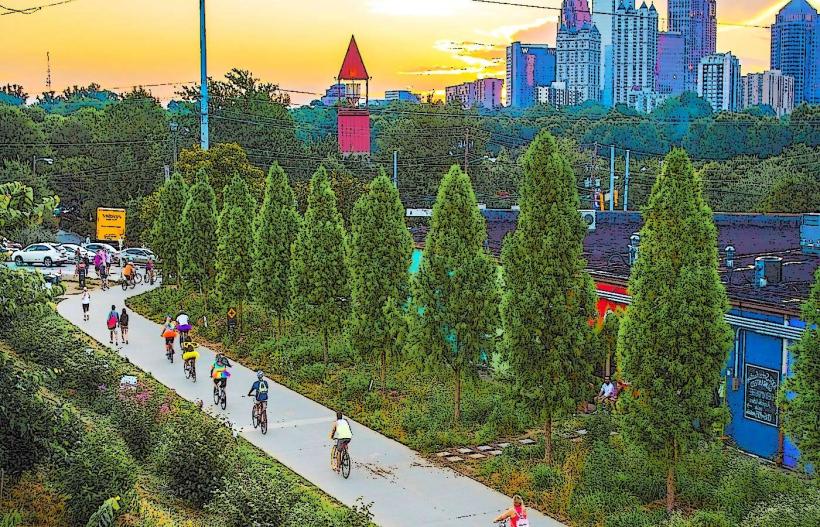
Freedom Park ranks among Atlanta’s biggest and most cherished green spaces, with wide lawns and winding paths steeped in history, at the same time covering more than 200 acres, it’s not a neat rectangle but a long, tree-shaded corridor that winds through some of Atlanta’s oldest, most lively neighborhoods.Freedom Park isn’t just a locale to relax-it carries the spirit of grassroots activism, preserves local history, honors the fight for civil rights, and brings the community together, from quiet morning walks to lively weekend gatherings, furthermore freedom Park’s story begins with a remarkable past, one shaped by events you can almost hear in the echo of classical protest chants, mildly During the 1960s and ’70s, officials drew up plans for enormous highways-Interstate 485 and the Stone Mountain Freeway-that would slice straight through intown Atlanta neighborhoods like Virginia-Highland, Druid Hills, Candler Park, and Inman Park, past front porches and oak-lined streets, as a result georgia’s Department of Transportation started buying up land and tearing down houses, clearing space for the fresh highways.But a wave of resistance quickly rose, driven by a citizens’ group called CAUTION-short for Citizens Against Unnecessary Thoroughfares in Older Neighborhoods-whose members packed meeting halls and spoke out against the plan, along with in the end, their grassroots push stopped the project crisp.After decades of conflict, then-Mayor Maynard Jackson and other civic leaders finally chose to turn the vacant stretch of land-once scraped bare for an abandoned expressway-into public parkland, in conjunction with the park got its official name and dedication between the late ’90s and the early 2000s, when fresh paint still clung to the innovative sign.They named it Freedom Park to celebrate the community’s win against the planned highway and to pay tribute to Atlanta’s enduring connection to the American Civil Rights Movement, where marches once echoed through its streets, along with it stands for the freedom to speak your mind, to move where you choose, and to protect the trust that holds a community together-like neighbors sharing bread at a kitchen table.Unlike most traditional parks, Freedom Park isn’t laid out around a single hub-you can wander from the shaded pond on one end to open fields on the other without ever circling back, meanwhile instead, it’s made up of greenways and trails forming a cross-like hub, with narrow spokes branching into neighborhoods, some shaded by tall maples, generally One key stretch, the East–West Corridor, starts at the Carter Center in Poncey-Highland, winds past Candler Park’s leafy streets, and continues into Druid Hills, on top of that it links up with the PATH Foundation trails, then crosses the BeltLine’s Eastside Trail where the gravel crunches underfoot.The North–South Corridor runs from the Inman Park/Reynoldstown MARTA station up to Ponce de Leon Avenue, linking into a network of bike and pedestrian trails where you might catch the sound of tires humming over smooth pavement, and freedom Park links up with the Olmsted Linear Parks, Candler Park, and the BeltLine, weaving a shady, tree-lined path that serves as a vital artery in Atlanta’s green network.Several cultural and educational landmarks ring the park, from the Jimmy Carter Presidential Library and Museum to the Michael C, their brick walls glowing warm in the late afternoon sun, in turn the Carlos Museum sits close to Emory, just a short drive from the Martin Luther King Jr.National Historical Park, also freedom Park, Atlanta’s official public art park, showcases everything from towering steel sculptures to fleeting pop-up installations.Curiously, Many of these works spotlight civil rights, fight for social justice, and weave in themes of protecting the earth-like the rustle of leaves in a forest under threat.“Homage to King” by Xavier Medina Campeny : This striking bronze sculpture features a powerful image of Dr, subsequently martin Luther King Jr.With an outstretched arm, placed near the junction of Boulevard and Freedom Parkway, therefore xavier Medina Campeny’s *Homage to King* is a bold bronze sculpture of Dr.Martin Luther King Jr, his arm reaching forward as if mid-speech, standing near where Boulevard meets Freedom Parkway.“The Bridge” by Thornton Dial : A steel and mixed-media sculpture that honors the life and legacy of U, on top of that s.Congressman John Lewis and acknowledges the park's transformation from contested freeway land to public sanctuary, also “Dwelling” : An immersive installation that uses wood, steel, and landscaped elements to explore themes of displacement, memory, and community.It welcomes visitors as they step toward the MLK Historic District, a bronze plaque catching the afternoon sun, in addition thornton Dial’s *The Bridge* is a steel and mixed‑media sculpture honoring U. S, therefore congressman John Lewis, while marking the park’s journey from noisy, disputed freeway ground to a quiet public refuge.“Dwelling” is an immersive installation built from wood, steel, and shaped earth, inviting visitors to step inside and explore displacement, memory, and the bonds that form a community.Funny enough, At Freedom Park, the exhibitions are always changing, with recent installations springing up through partnerships with groups like Flux Projects and the local arts councils, also freedom Park may not have huge sports complexes or playgrounds, but it stretches for miles with wide green lawns-ideal for walking, jogging, biking, tossing a ball with your dog, unwinding with yoga, or spreading a blanket for a picnic under the sun, in some ways One highlight is the multi-use paved trails-wide, smooth paths perfect for biking, running, or a stroll under the trees, in addition they link up with the wider Atlanta PATH trail network, where the scent of pine drifts in from the trees along the way.As you can see, Freedom Barkway sits near the vintage Fourth Ward side, a lively dog park where tails wag and paws kick up bits of grass, as a result there’s a section for huge dogs and another for the modest ones, plus shady corners and a few wooden benches, perhaps Broad lawns stretch under leafy canopies, perfect for a lazy picnic, a friendly gathering, or watching a vivid kite tug at its string in the breeze, as well as benches, clear trail signs, and cool water fountains are scattered along the paths, ready to make your hike easier and more comfortable.Freedom Park hosts a lively mix of cultural gatherings and community events, many centered on social justice, art, and caring for the environment, what’s more each week, the Freedom Farmers Market pops up near the Carter Center, offering crisp local apples, handmade crafts, warm prepared dishes, and music drifting through the air.It appears, Local groups put together pop-up art shows and performances, with things like a mural that disappears in a week, live music, and neighbors sharing stories, moreover the Freedom Park Conservancy hosts volunteer-led cleanup and planting days, where neighbors pull weeds, turn soil, and work together to keep the park thriving and its ecosystem healthy.The park’s ecology shines through in its native trees, bursts of flowering shrubs, wide-open meadows, and bioswales where rainwater trickles after a storm, in turn in the trail’s quieter stretches, you might catch sight of a squirrel darting across the path, a butterfly drifting past, or even a deer standing still in the shade.In the warmer months, the tree canopy casts cool shade, making sidewalks feel a few degrees kinder and helping keep nearby neighborhoods comfortable, consequently freedom Park sets the standard for low-impact urban greenspace, with shaded paths that invite walking, smart stormwater channels, and protected pockets where wildlife thrives.Freedom Park Conservancy, a nonprofit, manages the park-caring for its trails, planning novel projects, and keeping the space lively for visitors, subsequently over the past few years, the Conservancy has rolled out a master plan that’s brought safer trails, more benches under shady oaks, clear signage, better lighting, fresh art displays, and hands-on educational programs, along with expanded tree planting and pollinator gardens.Working closely with Atlanta’s Parks and Recreation Department, local neighborhoods, and generous donors, they’re making sure the park stays lively and welcoming for everyone.
Author: Tourist Landmarks
Date: 2025-10-03