Information
Landmark: Furnas ValleyCity: Azores
Country: Portugal
Continent: Europe
Furnas Valley, Azores, Portugal, Europe
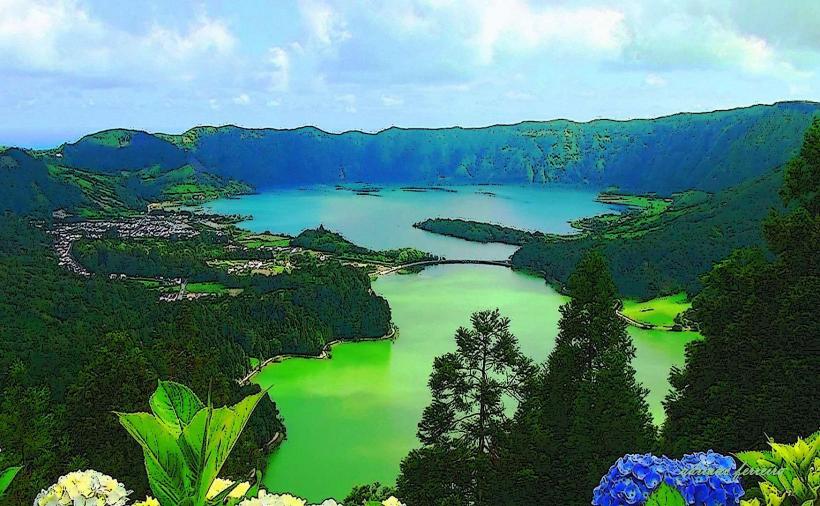
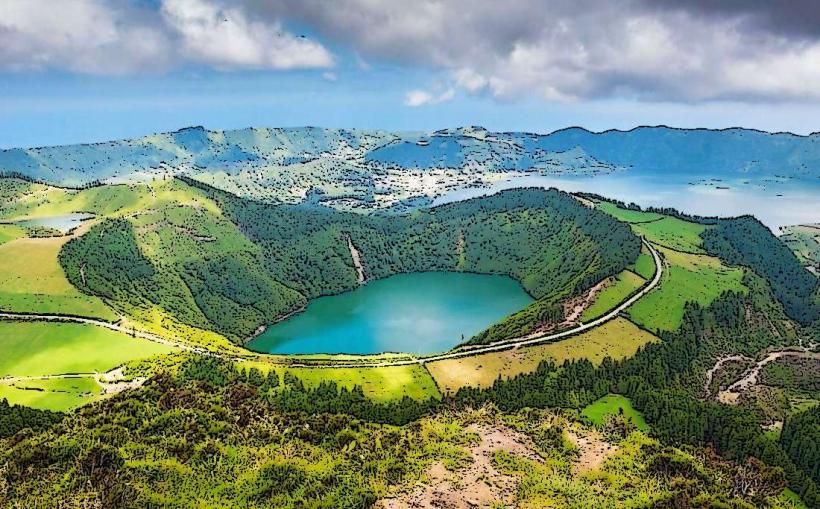
Furnas Valley is a fertile volcanic caldera situated in the eastern part of São Miguel Island, Azores. It serves as a major center for geothermal activity, containing a village, a large lake, and multiple thermal spring complexes.
Visual Characteristics
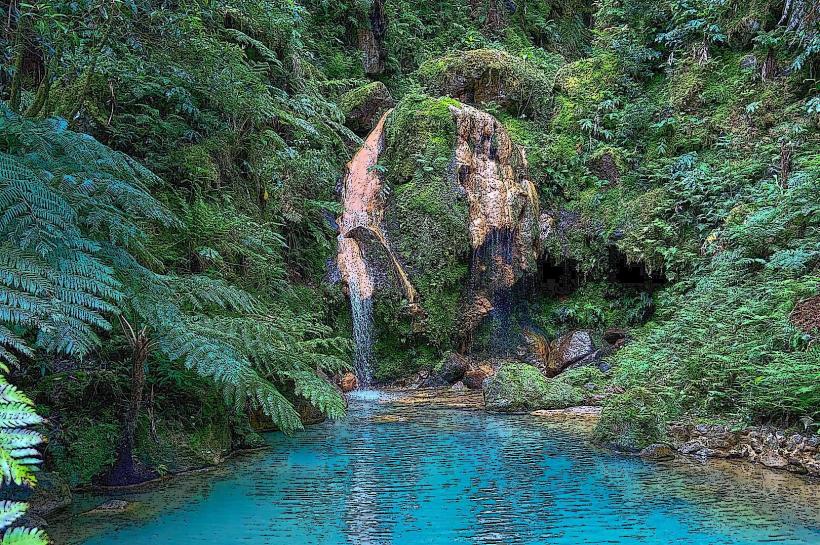
The valley floor is characterized by active fumaroles and bubbling mud pots emitting sulfurous steam. The surrounding caldera walls are steep and densely forested with Japanese cedar and giant ferns. The Lagoa das Furnas is a dominant feature, displaying murky green waters surrounded by manicured botanical gardens and geothermal cooking pits (caldeiras) dug directly into the volcanic soil.
Location & Access Logistics
The valley is located approximately 42 kilometers east of Ponta Delgada via the EN1-1A highway. It is accessible by car through winding mountain passes or the more direct southern coastal route. Public transport is provided by Global Azores bus lines 101, 102, and 103. Dedicated parking areas are situated at the Terra Nostra Park, the Furnas Lake entrance, and the central Caldeiras das Furnas.
Historical & Ecological Origin
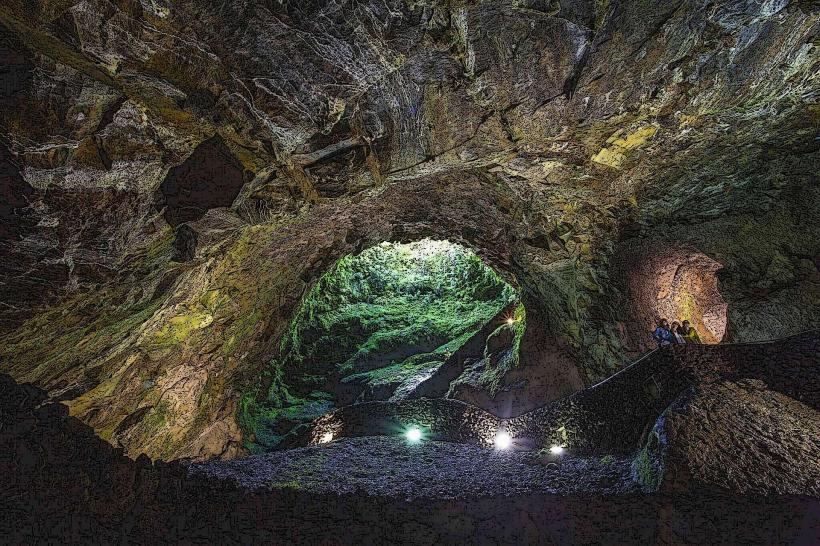
The valley formed within a complex volcanic massif that has experienced major explosive eruptions over the last 30,000 years, most notably in 1630. Geologically, it remains one of the most active volcanic systems in the Azores. Historically, the area was developed in the 18th and 19th centuries as a spa retreat due to its diverse mineral waters, which include carbonated, ferruginous, and thermal springs.
Key Highlights & Activities
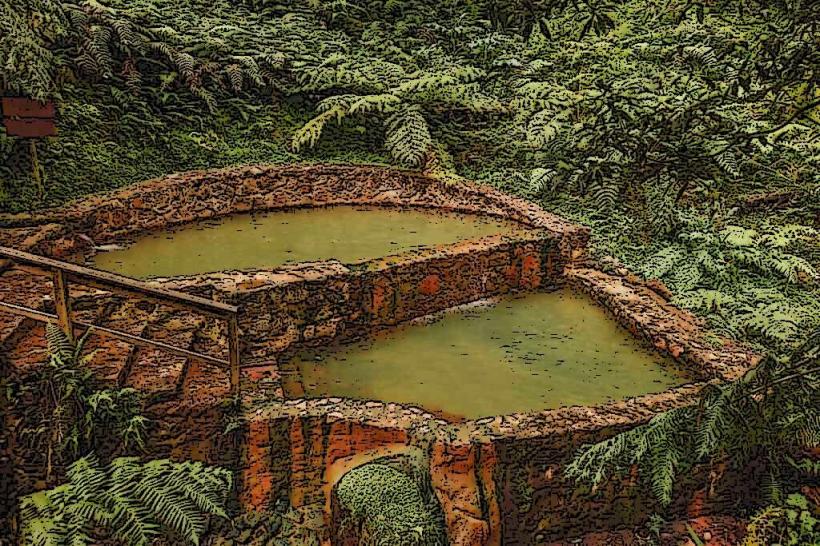
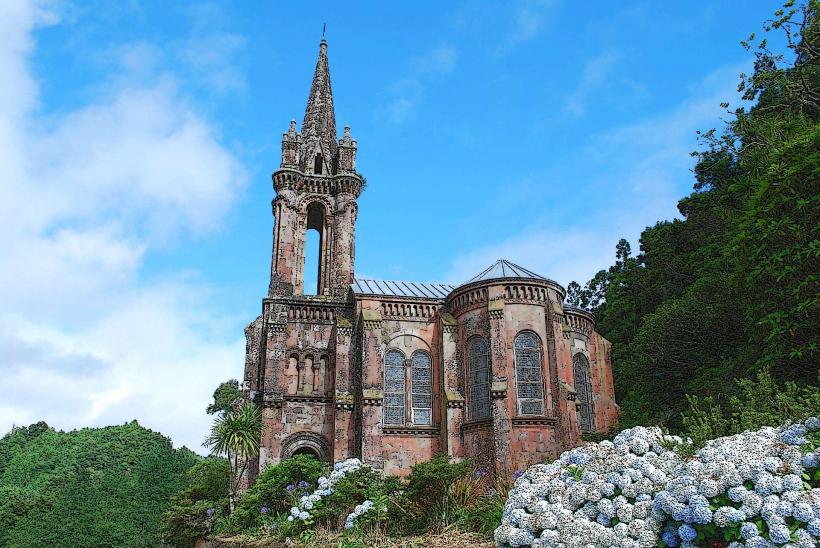
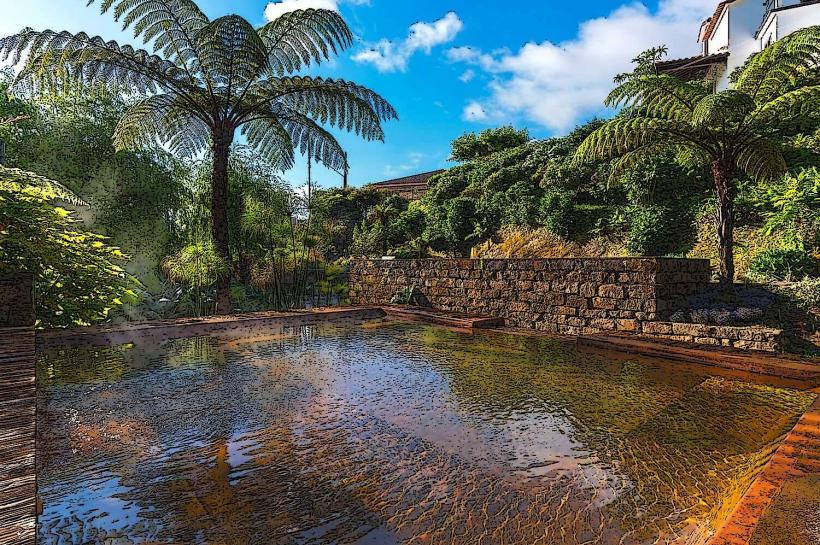
Thermal bathing is a primary activity at the Terra Nostra Park iron-rich pool and the Poça da Dona Beija springs. Visitors can observe the "Cozido das Furnas" (a traditional stew) being unearthed from geothermal pits at the lakeside at noon daily. Hiking trails, such as the PRC6SMI, circle the lake and pass the neo-Gothic Chapel of Nossa Senhora das Vitórias.
Infrastructure & Amenities
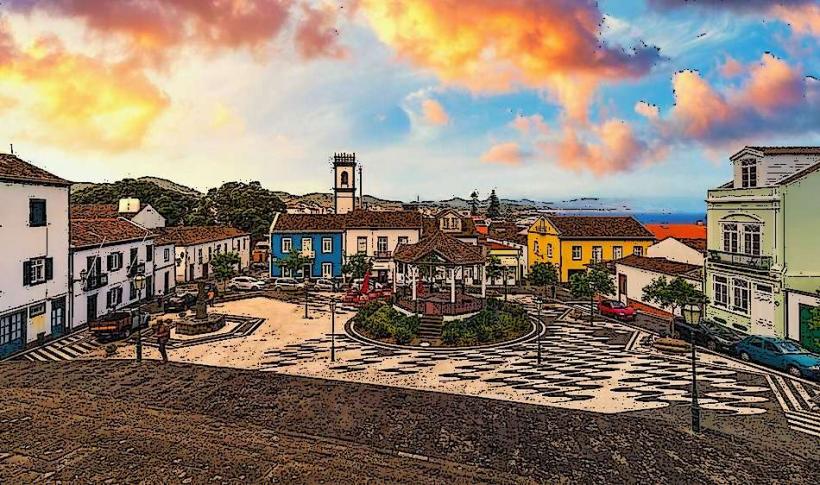
The village of Furnas contains comprehensive amenities, including public restrooms, pharmacies, 5G cellular coverage, and a wide range of restaurants. The Furnas Monitoring and Research Centre provides educational exhibits on volcanic activity. Shaded areas are abundant within the botanical parks, though the active fumarole fields are exposed and carry a strong hydrogen sulfide odor.
Best Time to Visit
The best time for photography is early morning when steam from the fumaroles is most visible against the cool air. Thermal baths are best enjoyed during overcast days or in the evening when ambient temperatures are lower. The valley is accessible year-round, but the blooming of camellias in Terra Nostra Park peaks between February and May.
Facts & Legends
A unique local feature is the "Bolo Lêvedo," a sweet muffin-like bread specific to Furnas that is traditionally cooked on basalt stones. A verified geological oddity is the presence of over 30 distinct types of mineral water within the village, ranging from boiling hot springs to naturally carbonated cold water fountains (fontanários) used by residents for drinking.
Nearby Landmarks
Terra Nostra Park: 0.1km South
Poça da Dona Beija: 0.5km Southeast
Lagoa das Furnas: 2.2km Southwest
Pico do Ferro Viewpoint: 1.8km North
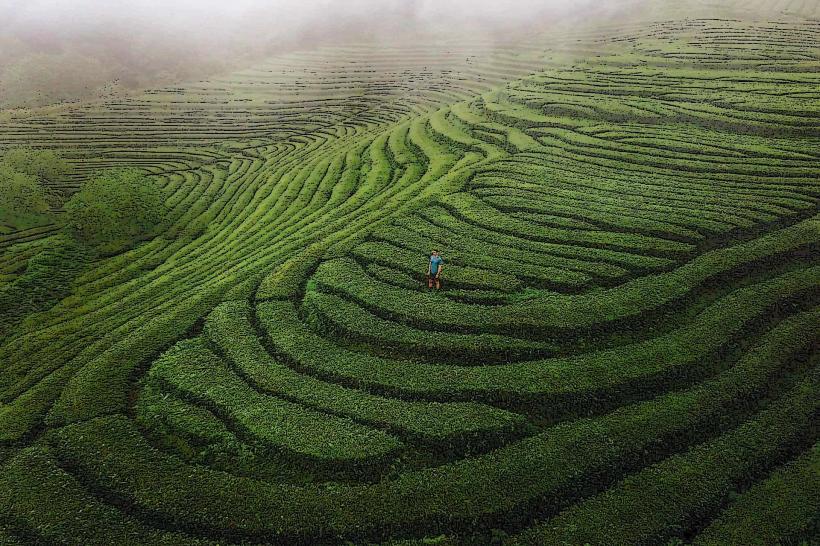
Gorreana Tea Plantation: 4.9km Northwest