Information
Landmark: Sao Miguel Island Hot SpringsCity: Azores
Country: Portugal
Continent: Europe
Sao Miguel Island Hot Springs, Azores, Portugal, Europe
São Miguel Island Hot Springs refers to a network of geothermal sites concentrated in the volcanic massifs of Furnas, Lagoa do Fogo, and Sete Cidades. These sites utilize the island's active volcanic plumbing to provide natural mineral-rich baths in both forest and coastal environments.
Visual Characteristics
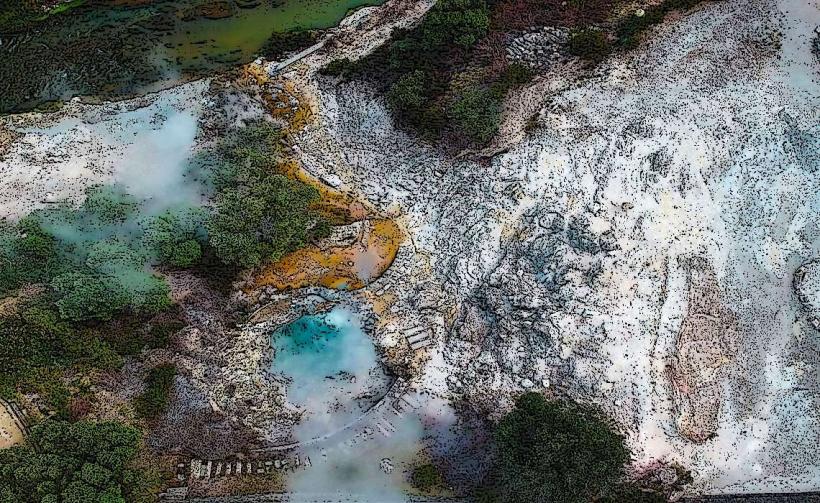
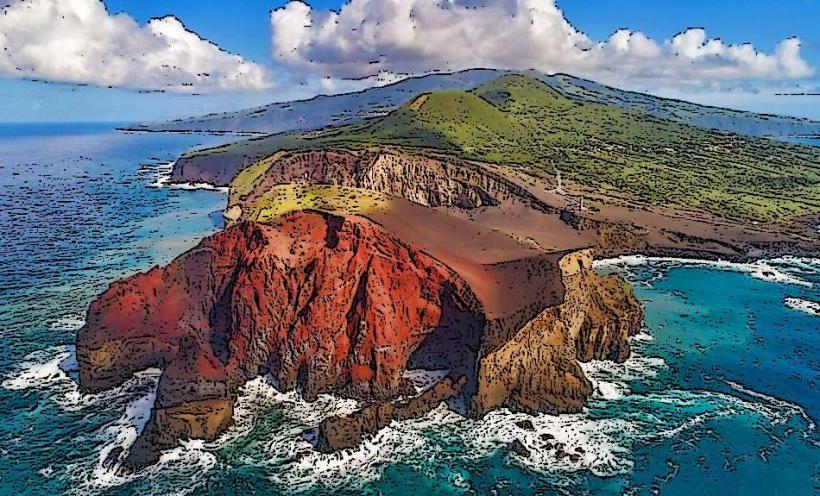
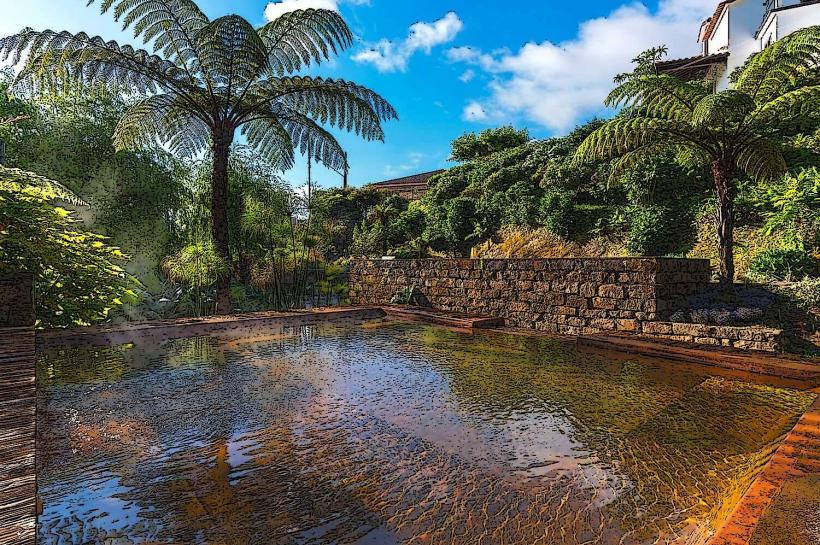
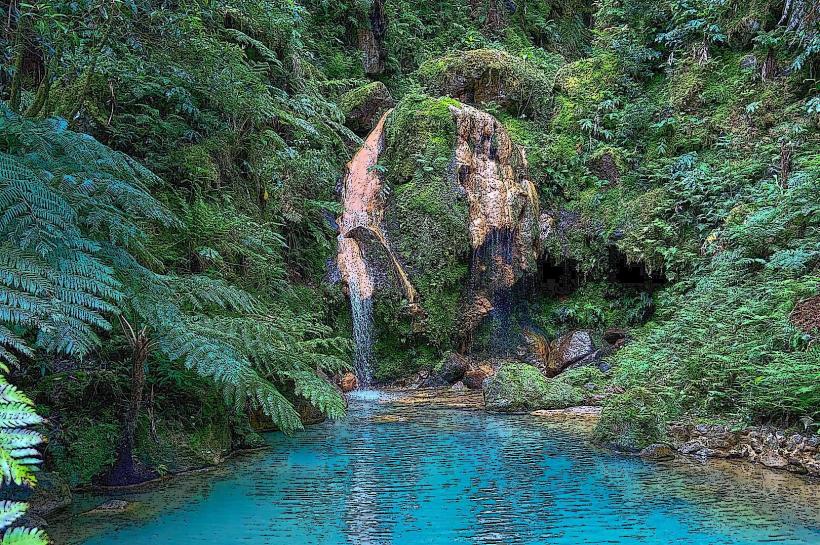
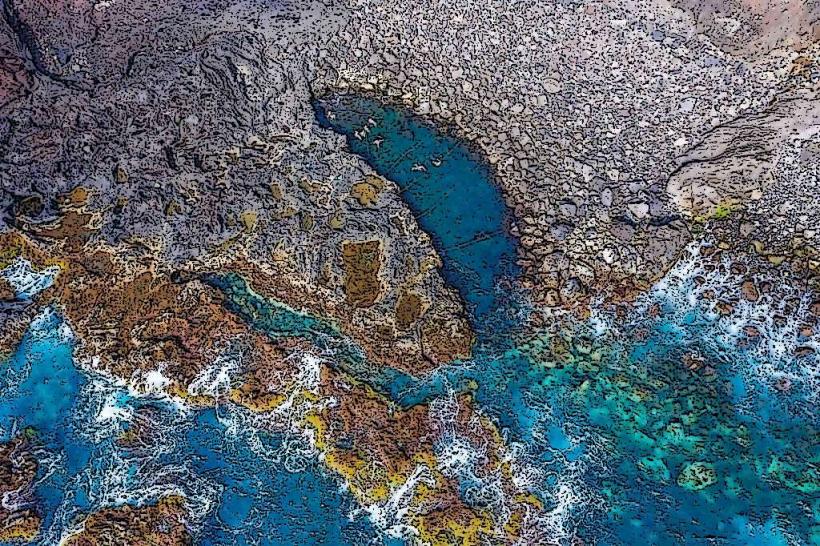
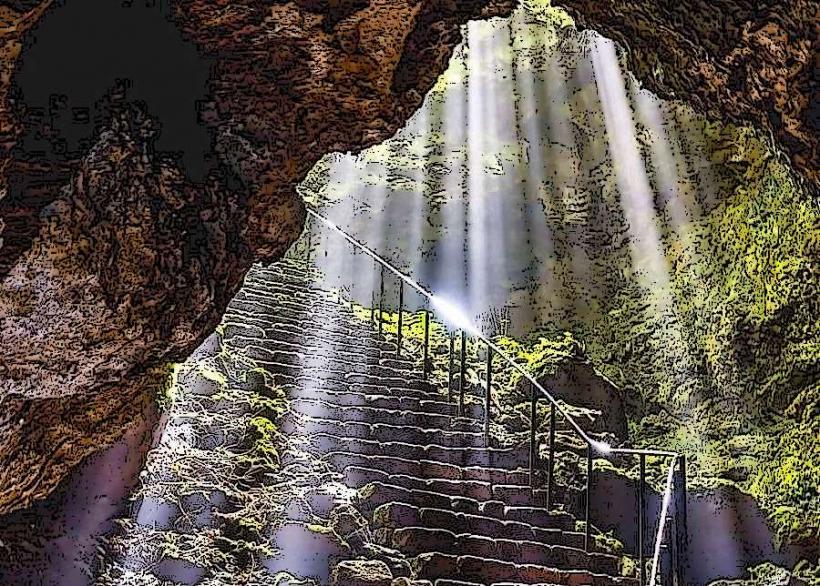
The springs range from large, circular masonry tanks filled with opaque, iron-rich ochre water to smaller, tiered stone basins containing clear, bicarbonate-rich water. Many are set within dense subtropical vegetation featuring giant tree ferns and moss-covered basalt walls. Coastal springs, such as Ponta da Ferraria, occur in natural rock pools where dark volcanic lava fingers meet the Atlantic Ocean, creating visible steam during low tide.
Location & Access Logistics
Primary sites are distributed across three main zones: Furnas Valley (42km east of Ponta Delgada), Caldeira Velha (on the northern slope of Lagoa do Fogo), and Ponta da Ferraria (25km west of Ponta Delgada). Access is via the EN1-1A and EN5-2A highways. Most inland sites have paved parking and are served by regional buses, while Ponta da Ferraria requires a steep descent via a paved road to a dedicated coastal parking lot.
Historical & Ecological Origin
The springs are powered by the geothermal heat of three active central volcanoes: Sete Cidades, Fogo, and Furnas. Historically, the mineral waters have been used for therapeutic purposes since the 18th century, leading to the development of the Terra Nostra Garden and the Furnas Monitoring and Research Centre. The waters vary in chemical composition, containing significant levels of iron, sulfur, and carbon dioxide depending on their proximity to specific volcanic vents.
Key Highlights & Activities
Thermal bathing is the central activity, with temperatures typically ranging from $35$°C to $40$°C. At Caldeira Velha, visitors can bathe in a pool fed by a thermal waterfall. At Ponta da Ferraria, swimming in the ocean is possible within a natural cove where geothermal vents heat the seawater. Guided tours of the Furnas fumaroles demonstrate traditional cooking methods using ground heat.
Infrastructure & Amenities
Most commercial sites, including Poça da Dona Beija and Terra Nostra, provide changing rooms, lockers, and showers. 5G cellular coverage is generally stable in the Furnas and Ribeira Grande areas but may drop in the deep valley of Caldeira Velha. On-site cafes and souvenir shops are common at the larger inland facilities.
Best Time to Visit
Evening visits are optimal for thermal baths to experience the contrast between the warm water and cooler air. Rainy or overcast days are preferred by locals as the cloud cover enhances the atmosphere of the steam. For Ponta da Ferraria, visiting during the two hours before or after low tide is mandatory to feel the heat, as high tide dilutes the thermal effect with cold seawater.
Facts & Legends
The iron-rich water in Furnas will oxidize and permanently stain light-colored fabrics; visitors are strictly advised to wear old or dark-colored swimwear. A verified geological oddity is that the "ferruginous" water at Terra Nostra is so dense with minerals that visibility through the water is less than $10$ centimeters, creating a unique sensory deprivation experience.
Nearby Landmarks
Terra Nostra Park: 0.1km (within Furnas)
Poça da Dona Beija: 0.5km Southeast (Furnas)
Caldeira Velha Environmental Interpretation Centre: 3.2km South of Ribeira Grande
Ponta da Ferraria Lighthouse: 0.4km East of the ocean springs
Lagoa das Furnas: 2.5km Southwest of the village springs