Information
Landmark: Hell's GateCity: Rotorua
Country: New Zealand
Continent: Australia
Hell's Gate, Rotorua, New Zealand, Australia
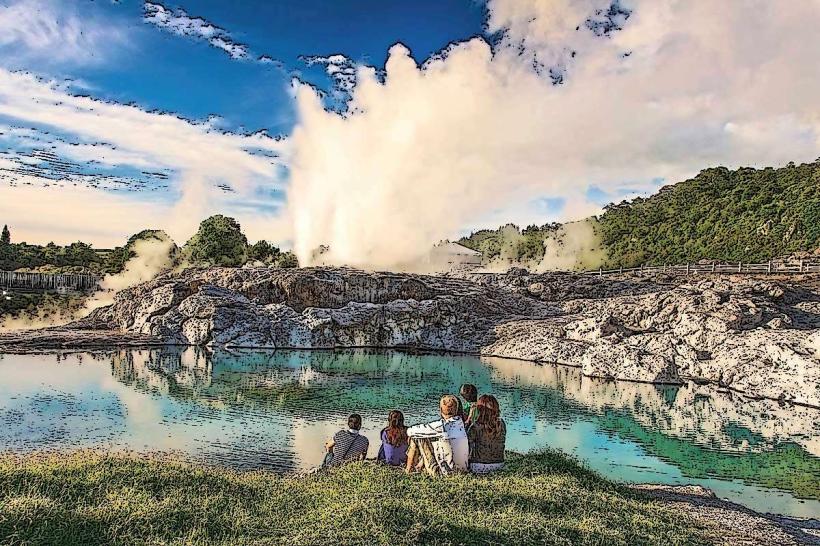
Hell's Gate is a geothermal park located in Rotorua, New Zealand. It features active geothermal features including mud pools and hot springs.
Visual Characteristics
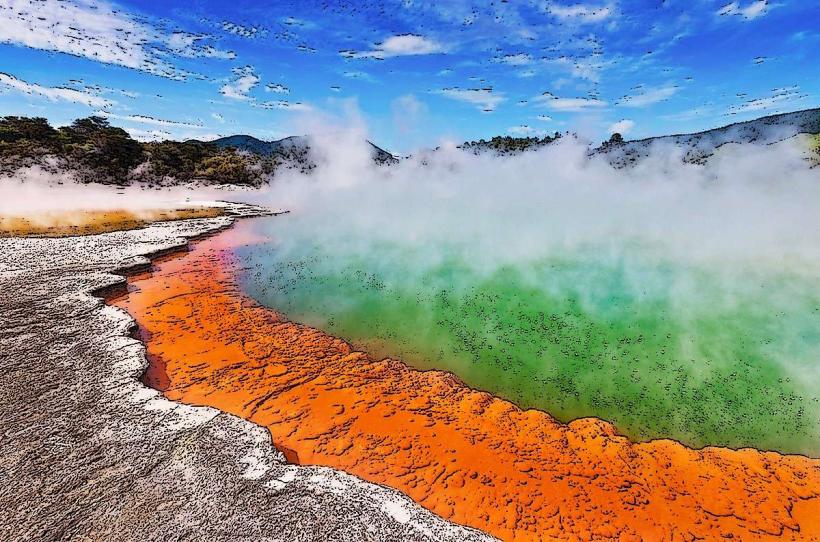
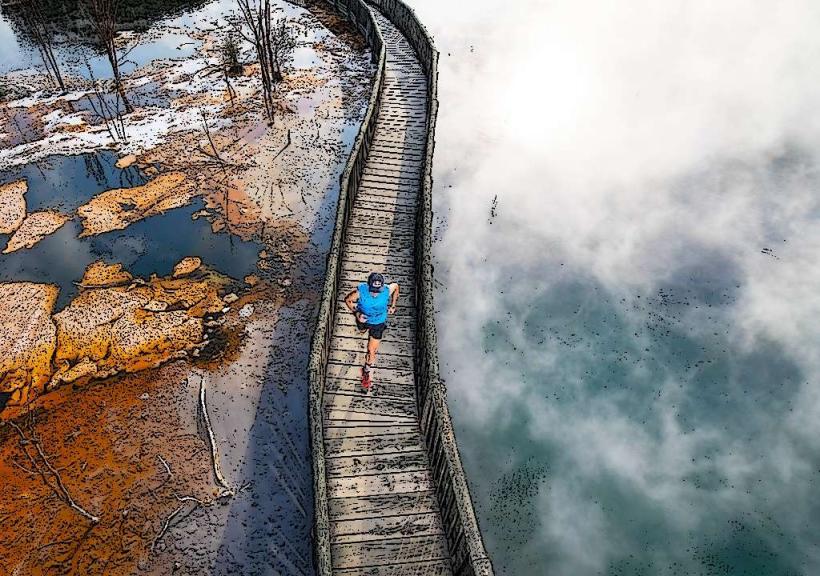
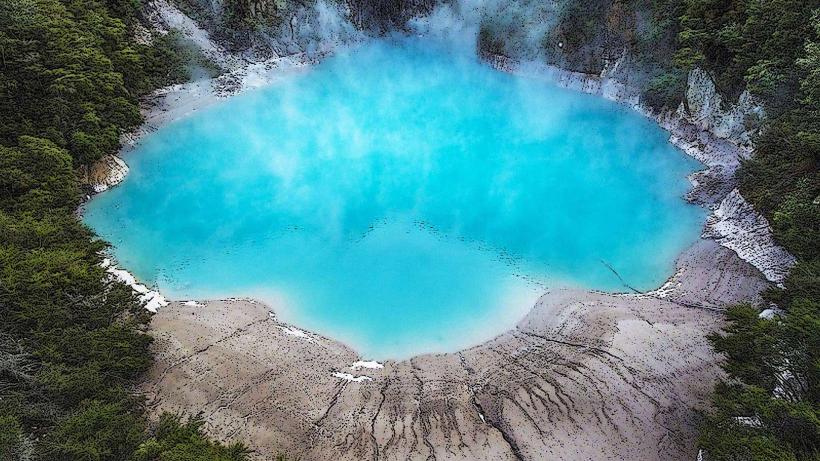
The landscape is characterized by steaming vents, bubbling mud pools, and mineral terraces. The mud pools exhibit a grey, viscous consistency. The water in the hot springs ranges in color from milky blue to opaque grey, influenced by mineral content. Vegetation is sparse in the immediate geothermal areas due to high temperatures and sulfurous conditions, with hardy ferns and grasses present on the periphery.
Location & Access Logistics
Hell's Gate is situated 15 kilometers northeast of Rotorua's city center. Access is via State Highway 30 (Te Ngae Road). The park provides dedicated parking facilities for vehicles. Public transport options are limited; the Rotorua public bus system does not directly service the park. Visitors typically use private vehicles or organized tour services.
Historical & Ecological Origin
Hell's Gate is a geothermal field formed by volcanic activity associated with the Taupo Volcanic Zone. The area's geothermal features are a result of underground magma heating groundwater. The Maori name for the area is Te Tarata, meaning "the tattooed rock," referring to the mineral deposits on the rocks.
Key Highlights & Activities
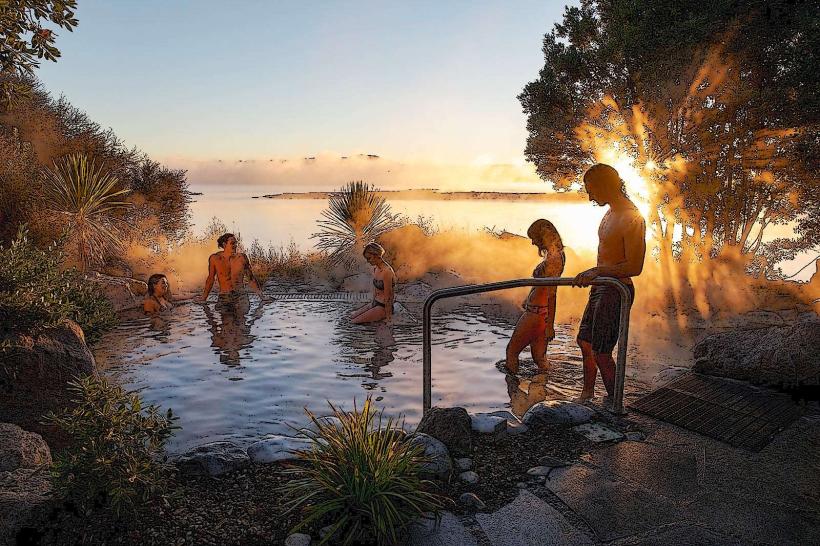
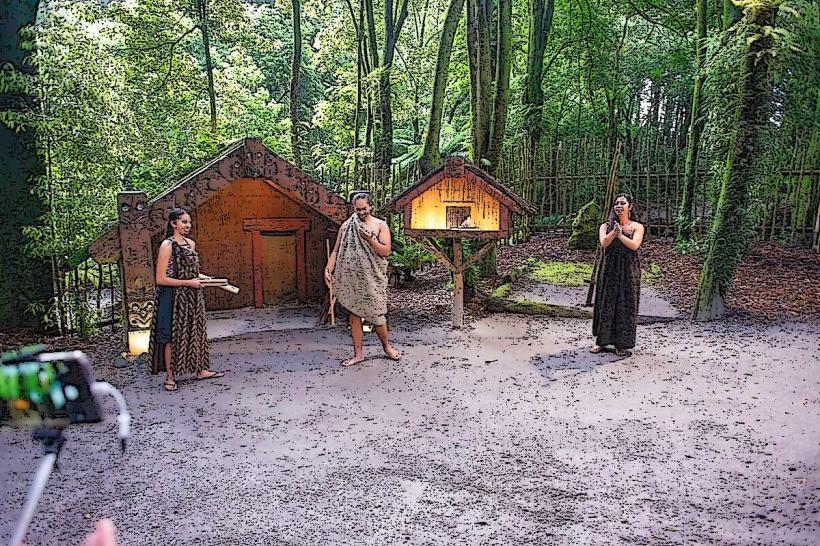
Activities include walking the geothermal trails to observe mud pools and hot springs, experiencing a mud bath, and soaking in the hot pools. Guided tours are available, detailing the geothermal processes and Maori cultural significance. The "Inferno" mud bath and the "Kakahi" hot springs are specific points of interest.
Infrastructure & Amenities
Restrooms are available at the visitor center. Shaded areas are limited along the geothermal trails. Cell phone signal (4G/5G) is generally available within the park. Food vendors are located at the main visitor center, offering snacks and light meals.
Best Time to Visit
The best time of day for photography is generally mid-morning or late afternoon when the sun angle creates distinct shadows and highlights the steam. The park is accessible year-round. Weather is most stable between December and February (summer), though geothermal activity is consistent regardless of season.
Facts & Legends
A local legend states that the geothermal activity is caused by a giant taniwha (water monster) sleeping beneath the earth. A specific tip for visitors is to wear old clothing for the mud bath, as the sulfur and minerals can stain fabrics.
Nearby Landmarks
- Waimangu Volcanic Valley (2.5km South)
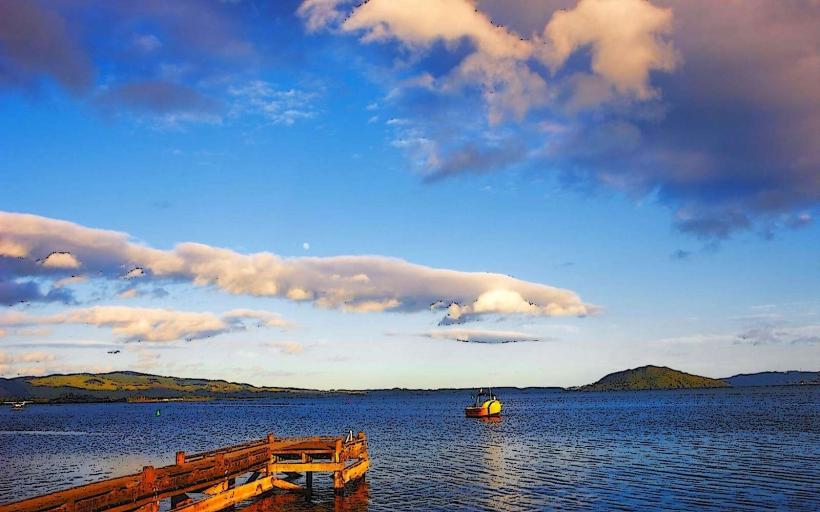
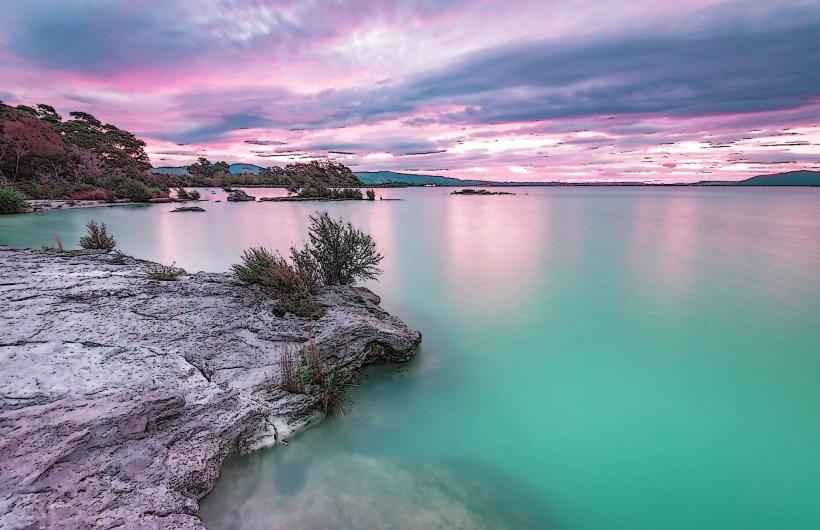
- Lake Rotorua (4km West)
- Te Puia (5km Southwest)
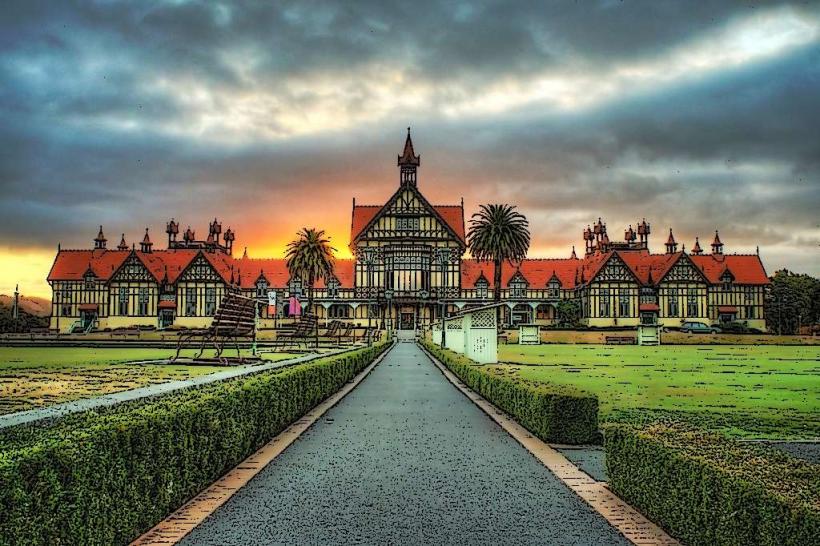
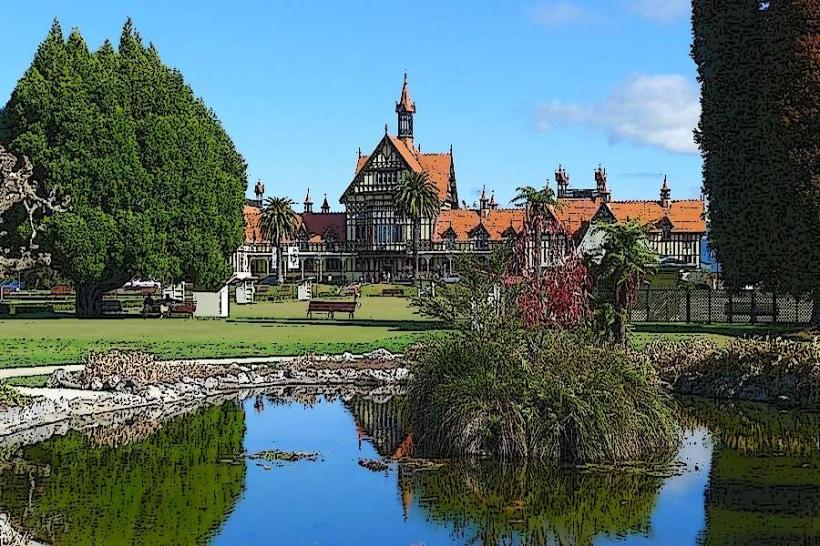
- Government Gardens (5km Southwest)