Information
Landmark: Whakarewarewa ForestCity: Rotorua
Country: New Zealand
Continent: Australia
Whakarewarewa Forest, Rotorua, New Zealand, Australia
Whakarewarewa Forest is a large arboretum and geothermal park located on the outskirts of Rotorua, New Zealand. It is known for its diverse collection of trees and active geothermal features.
Visual Characteristics
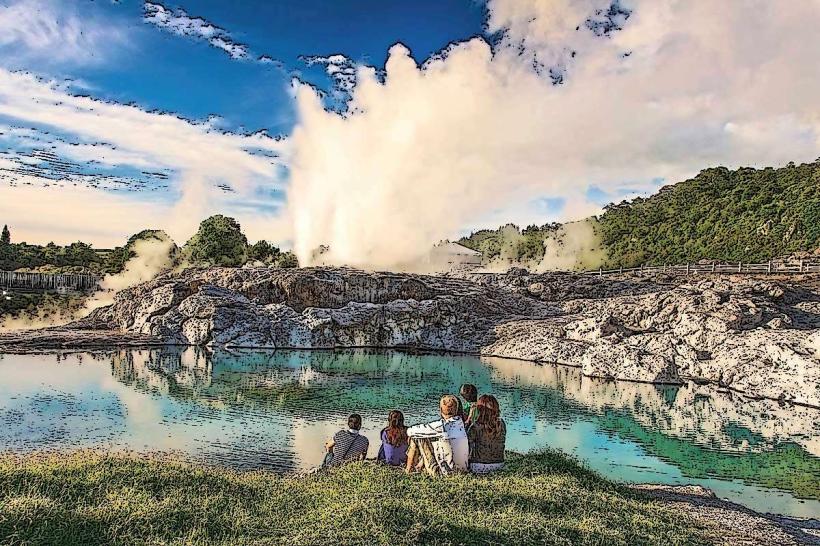
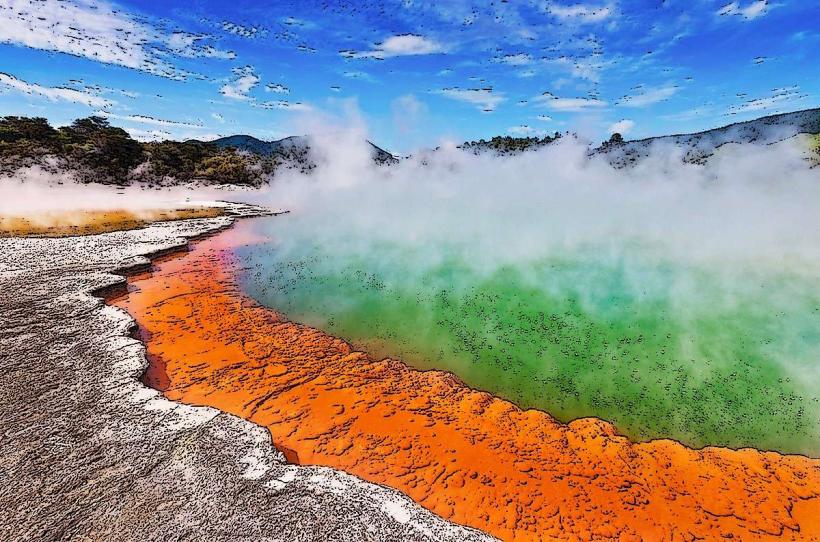
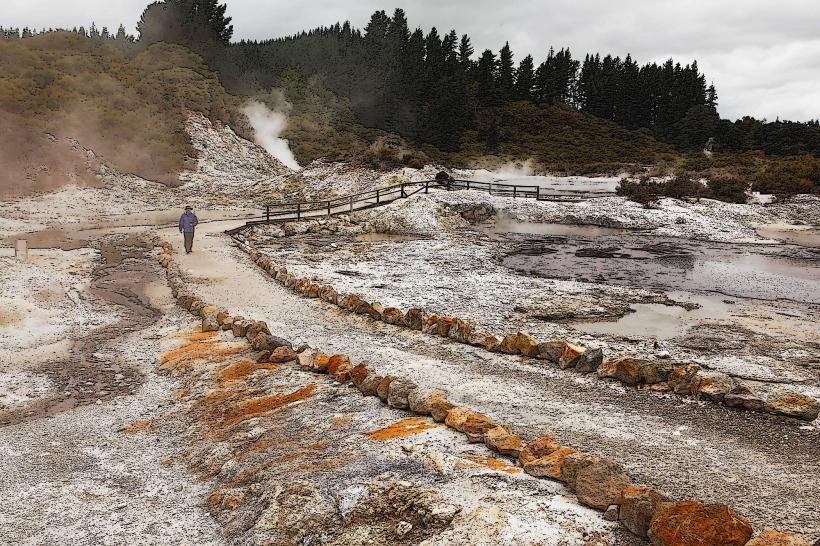
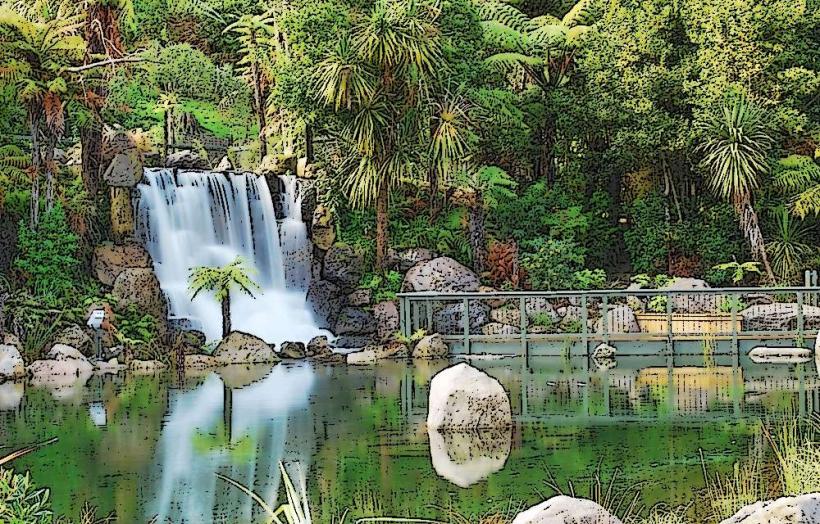
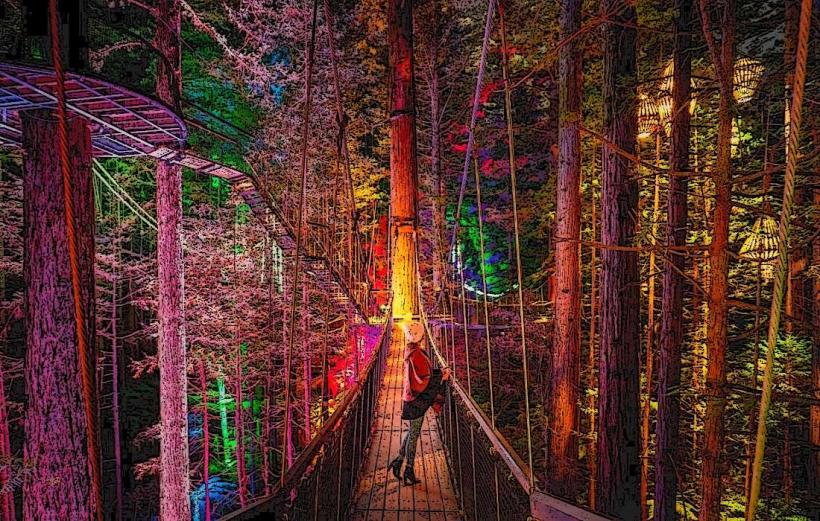
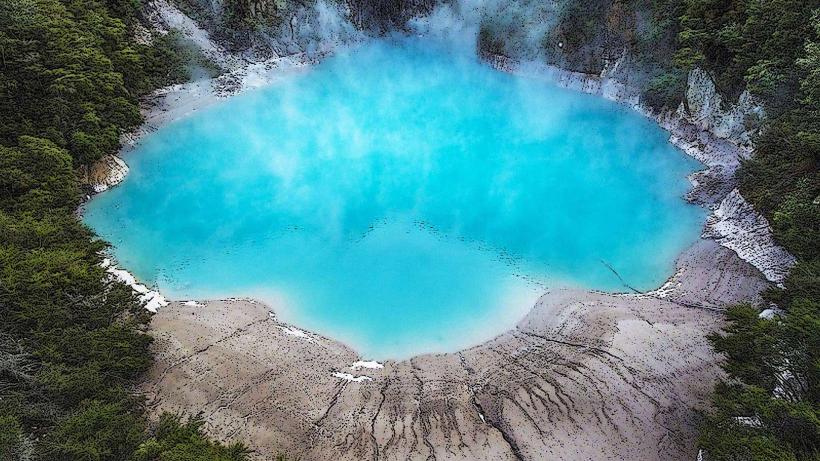
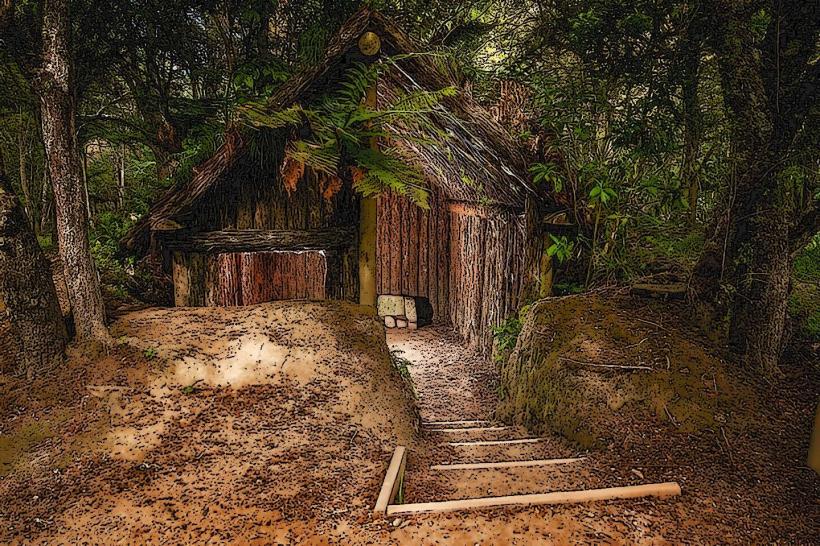
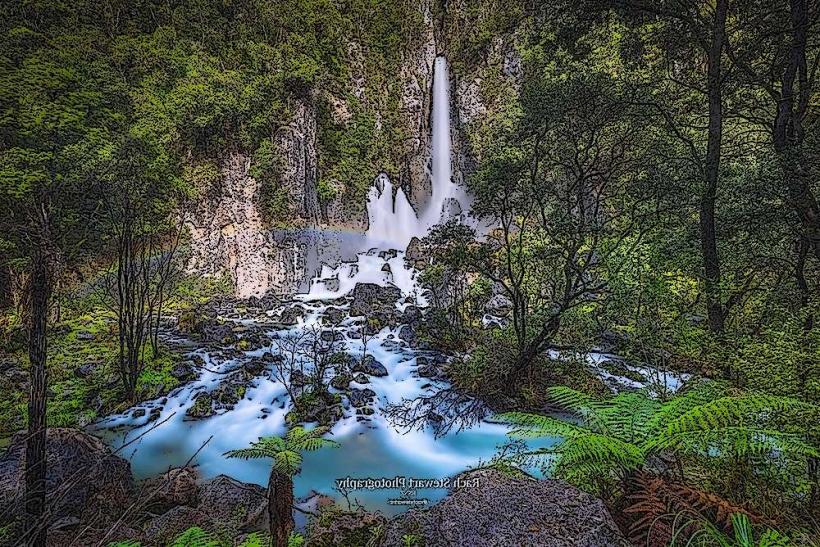
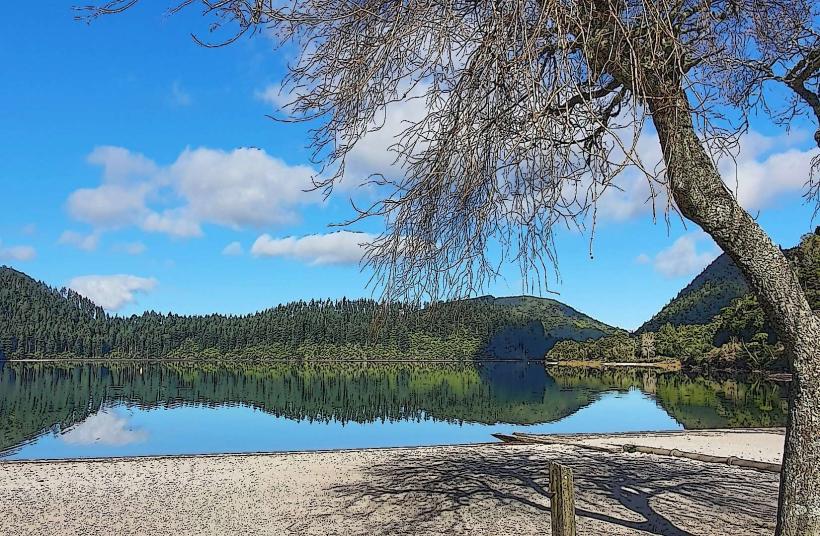
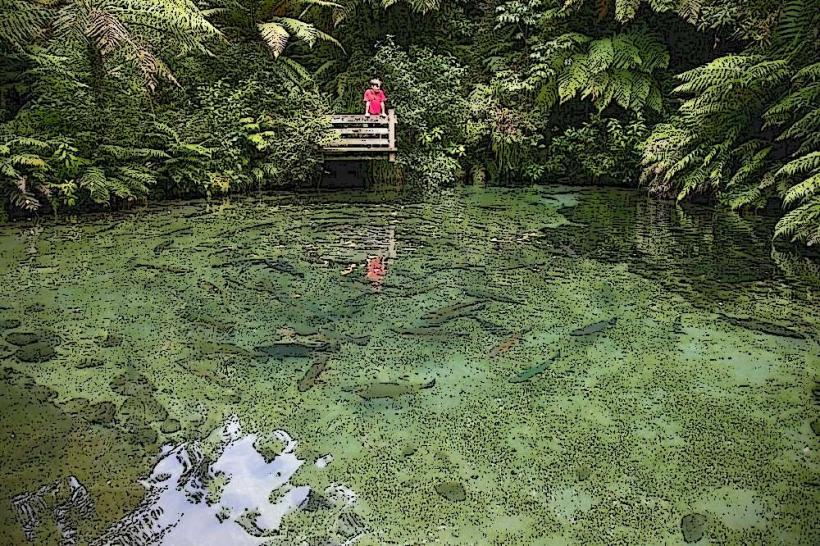
The forest comprises over 170 species of trees, including redwood, pine, and native New Zealand flora. Geothermal areas within the forest exhibit bubbling mud pools, steaming vents, and hot springs. The ground in these areas is often discolored with mineral deposits, ranging from yellow and orange to white and grey. Tree canopies create significant shade throughout much of the park.
Location & Access Logistics
Whakarewarewa Forest is situated approximately 3 kilometers south of Rotorua's central business district. Access is via State Highway 5 (Te Ngae Road). Parking is available at the main entrance off State Highway 5. Public transport options include the Rotorua Cityride bus service, with Route 10 stopping near the forest entrance.
Historical & Ecological Origin
The forest was established in 1901 as a plantation forest for timber production. Over time, it evolved into an arboretum, with various tree species introduced for study and conservation. The geothermal activity is part of the Taupo Volcanic Zone, a highly active geothermal region.
Key Highlights & Activities
Visitors can walk the designated trails through the forest and geothermal areas. Specific trails include the Redwood Memorial Grove track and the Pōhutu Geyser viewing platform. Guided walks focusing on the geothermal features and forest ecology are available. Photography of geothermal activity and tree specimens is permitted.
Infrastructure & Amenities
Restrooms are located at the main visitor area. Limited shade is available from the tree canopy. Cell phone signal (4G) is generally available within the main visitor areas but may be intermittent deeper within the forest. Food vendors are not present within the forest itself, but are available in nearby Rotorua.
Best Time to Visit
For photography of geothermal features, early morning or late afternoon provides optimal lighting conditions. The best months for general visitation are typically from September to May, offering milder weather. High tide is not a relevant factor for visiting this inland geothermal park.
Facts & Legends
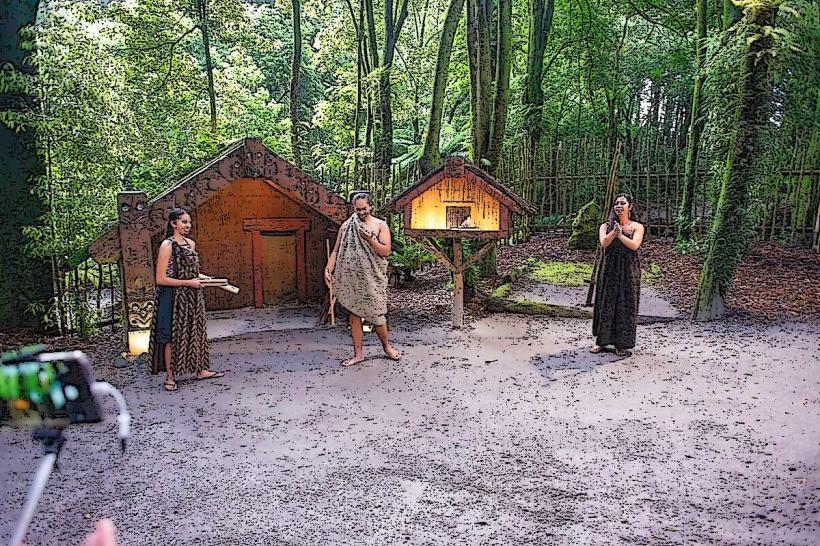
The Pōhutu Geyser, located within the adjacent Te Puia park but visible from some forest viewpoints, is one of the largest active geysers in the Southern Hemisphere, erupting up to 30 meters high. Local Māori legends speak of the geothermal activity being the work of the fire goddess, Mahuika.
Nearby Landmarks
- Te Puia (0.2km North)
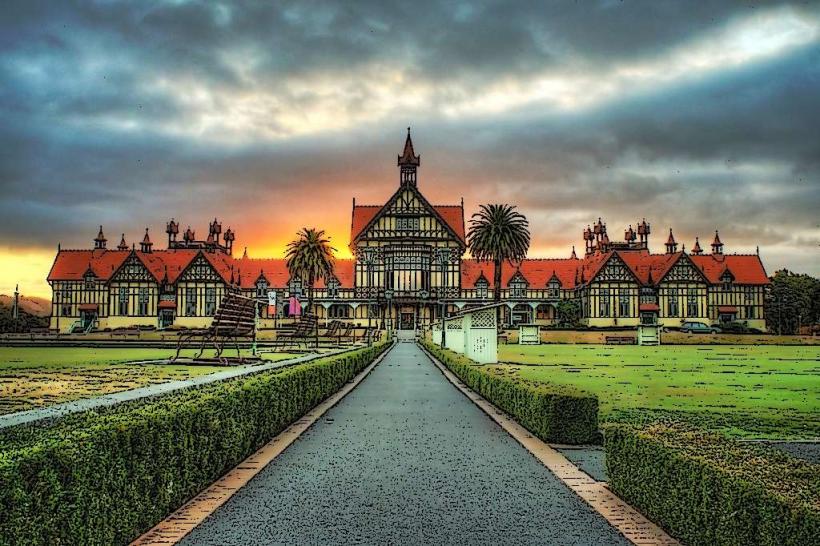
- Government Gardens (2.5km North)
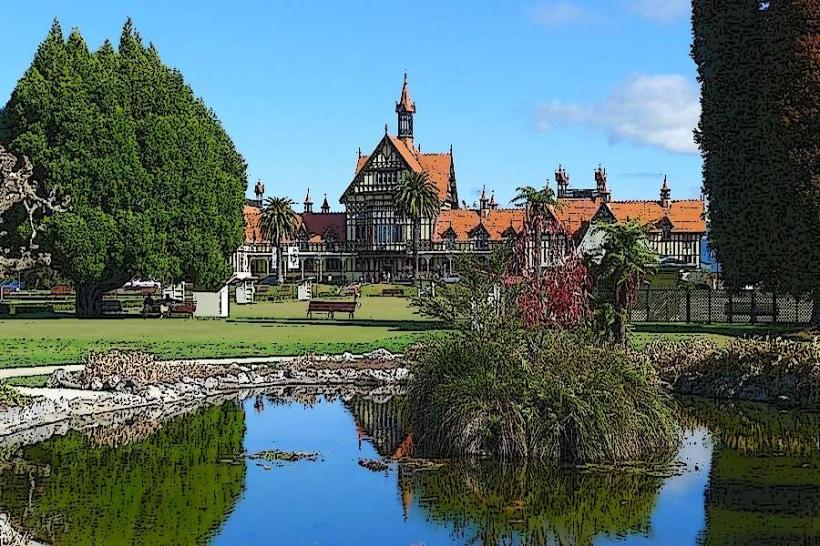
- Rotorua Museum (2.8km North)
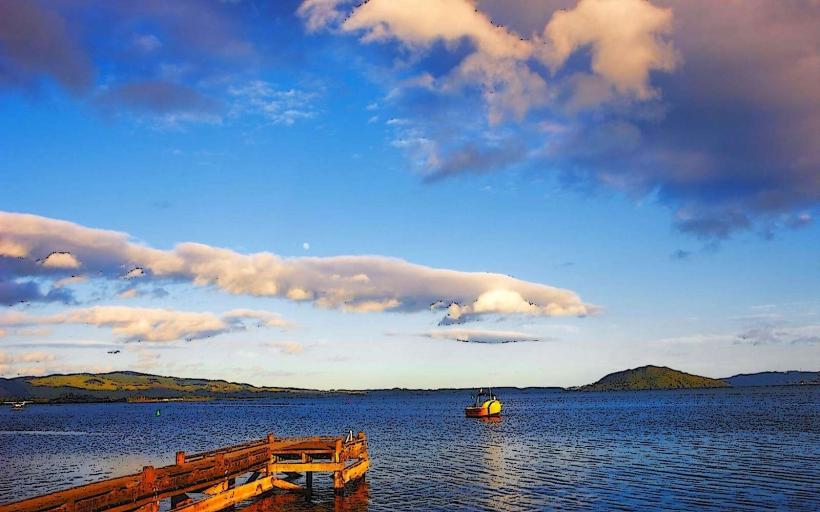
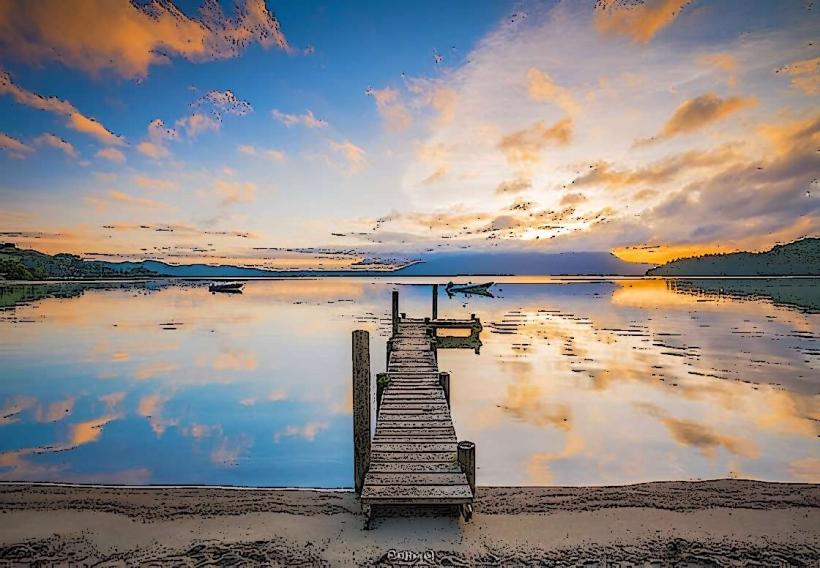
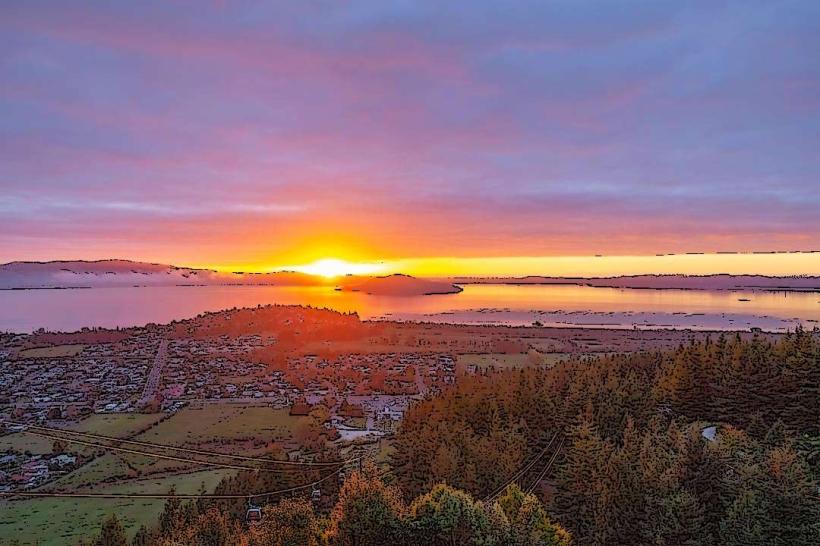
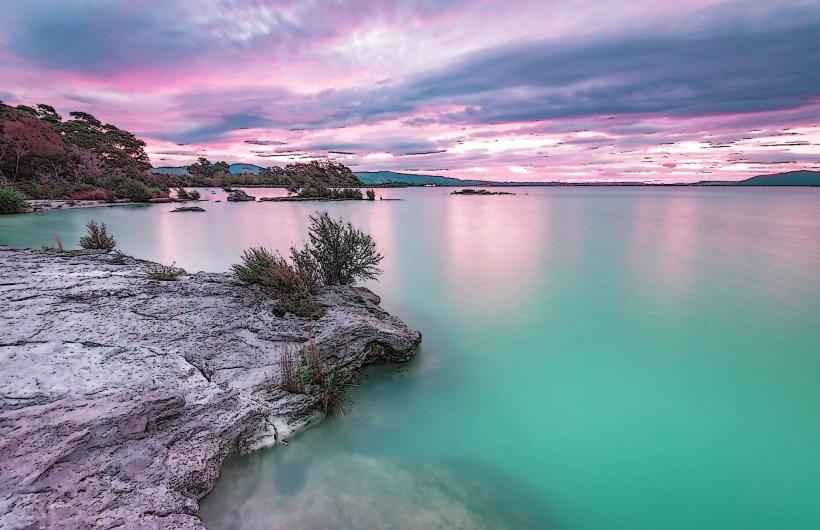
- Lake Rotorua (3.5km Northwest)
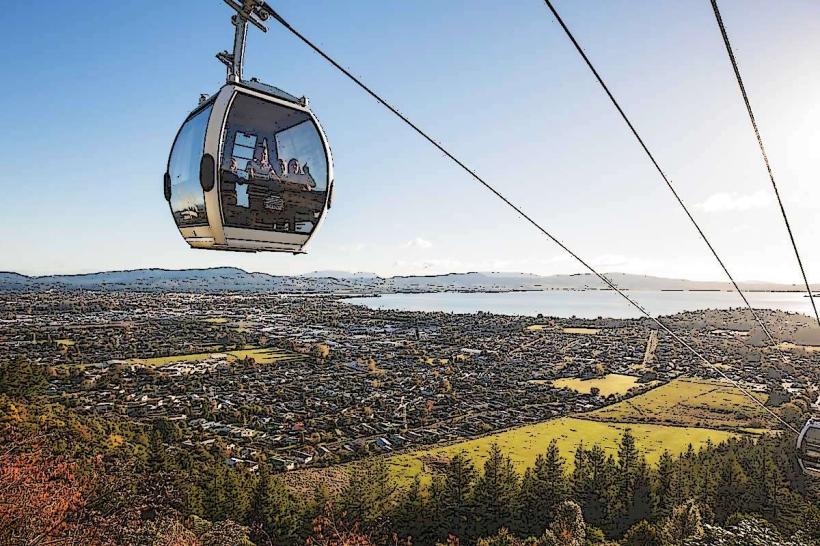
- Skyline Rotorua (3.0km North)