Information
Landmark: Heraklion Archaeological MuseumCity: Crete
Country: Greece
Continent: Europe
Heraklion Archaeological Museum, Crete, Greece, Europe
Overview
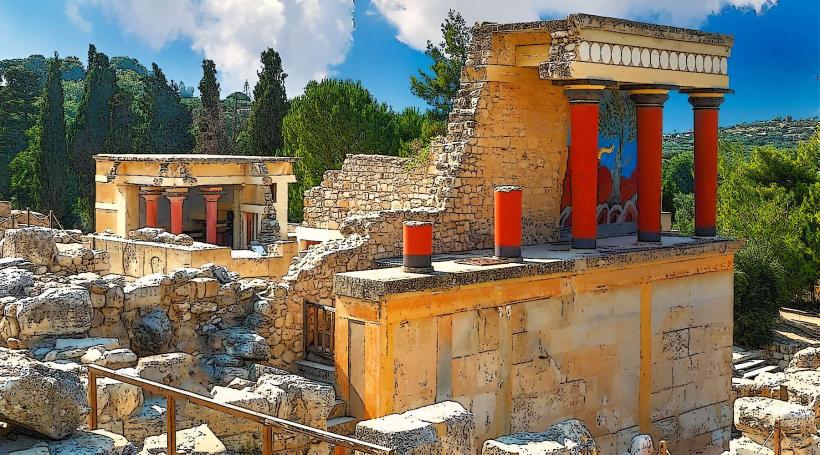
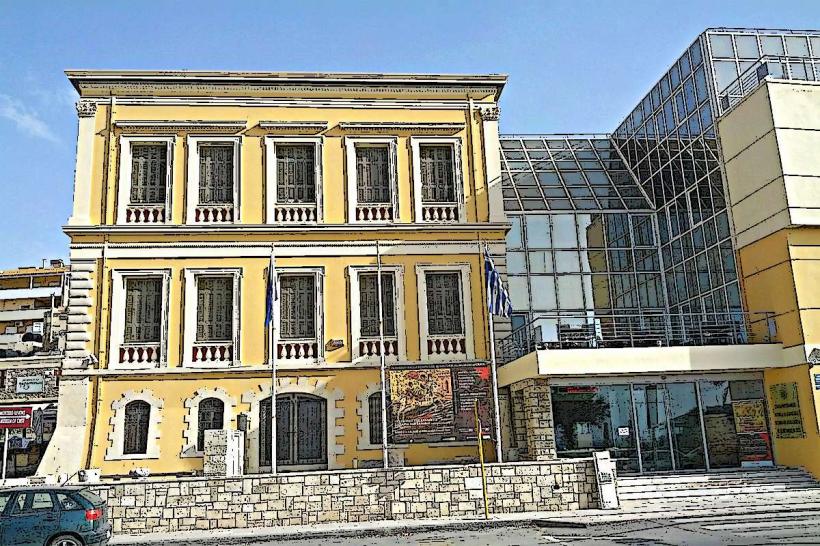
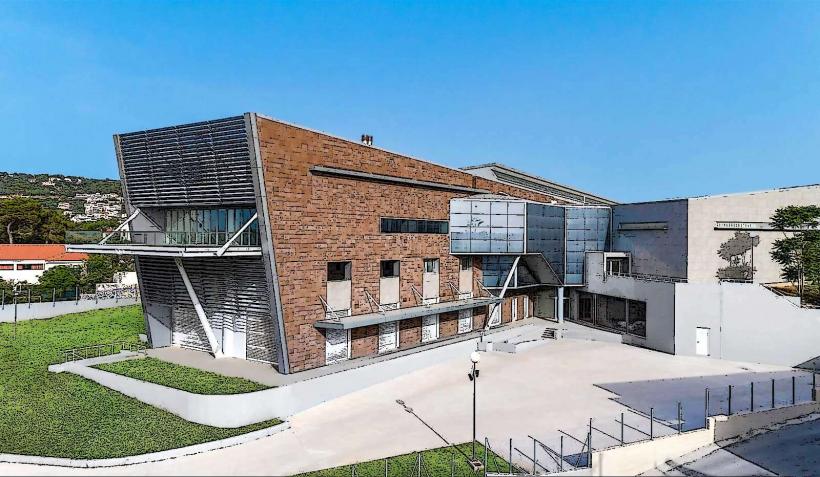
Frankly, In the heart of Crete’s capital, Heraklion, the Heraklion Archaeological Museum stands among Greece’s most critical, housing treasures like the vivid frescoes of Knossos, subsequently the museum is famous for its vast trove of Minoan artifacts-intricate pottery, carved seals, and more-from one of Europe’s oldest and most sophisticated civilizations, which thrived on Crete during the Aegean Bronze Age.The museum sits in the heart of Heraklion, only a few minutes’ amble from the harbor and the aged Venetian Fortress, where the sea air carries a hint of salt, to boot visitors can reach it easily, just a short wander from the heart of the city and steps away from other historic landmarks.The museum took shape in the early 1900s, but its doors didn’t swing open to the public until 1952, while it first lived in a petite brick building, later renovated to make room for its expanding collection.Back in 2014, the museum tore into a major renovation and expansion, adding fresh light-filled galleries and updating every corner to modern standards, besides museum Collections: The Heraklion Archaeological Museum showcases Crete’s ancient past, with vivid displays of Minoan artistry-like delicate gold jewelry and painted pottery-at the heart of its collection.The museum’s treasures stretch across centuries, beginning in the Neolithic era and reaching into Roman times, though most pieces-like delicate Minoan pottery-come from the Minoan and Post-Minoan periods, to boot the museum is best known for its remarkable Minoan collection, featuring major discoveries from Knossos and other sites across Crete.Among its treasures are vivid frescoes, including the celebrated “Prince of the Lilies,” where a graceful figure strides through a field of blooming red flowers, furthermore the museum takes you through Crete’s history in vivid detail: frescoes bursting with scenes of wild landscapes, solemn ceremonies, and everyday moments; rows of Minoan pottery ranging from simple, clay-red bowls to intricate, painted amphorae that trace the art’s evolution; graceful Minoan sculptures, including the famous snake goddess figurines, symbols of ancient faith; weathered Linear A and Linear B tablets that reveal how the Minoans and Mycenaeans recorded trade and daily life; Neolithic tools and pottery from the island’s earliest settlements; Mycenaean-era weapons and vessels; and treasures from Hellenistic and Roman rule, such as coins warm with the patina of centuries, marble reliefs, statues, and temple fragments shaped by Greek and Roman artistry-all housed in a space revitalized in 2014 to welcome visitors with light, clarity, and care.The renovated museum offers bigger, airier exhibit halls and brighter lighting, so the artifacts stand out-gold filigree catching the light like a spark, consequently the museum’s layout unfolds in distinct sections, each highlighting a different era or facet of ancient Cretan life-one hall even glows with gold artifacts from the Minoan age.The exhibits flow in chronological order, so visitors can trace Crete’s ancient civilizations from the first stone tools of the Neolithic to the intricate mosaics of the Roman era, consequently one of the museum’s treasures, the “Prince of the Lilies” fresco, shows a youthful prince crowned with shining lilies, framed by curling vines and other lively Minoan designs.People often notice it as a mark of Minoan royalty, a sign of elegance as polished as a carved ivory seal, while the Snake Goddess figurines show a woman gripping two coiled snakes, their curves alive in her hands, often seen as signs of fertility and novel life.As it happens, The figurines stand out as one of the clearest symbols of Minoan religion, their delicate hands raised in a timeless gesture, consequently the Harvester Vase, a Minoan masterpiece, shows lively figures gathering grain under the sun and offers a rare, vivid inspect at the agricultural life of their time.In parts of the museum, you’ll find scale models and carved stone fragments from Crete’s great palaces-especially Knossos-so you can picture their towering columns and sweeping courtyards, likewise the museum holds some of the finest surviving tablets in Linear A-still a mystery to scholars-and Linear B, the Mycenaean script we've managed to decode, with faint grooves still visible in the clay.These tablets reveal crucial details about how the Minoans ran their affairs, from grain records scratched into clay to lists of traded goods, then visitor Experience - Opening Hours: The museum welcomes guests daily, and in summer, it stays open later so you can linger among the quiet, golden-lit galleries.Before you go, check if the hours have shifted with the season or if there’s a special closure, like for a local festival, then tickets are usually easy on the wallet, and students, seniors, or groups can snag a discount-think a couple of dollars off at the gate.The museum also sells combo tickets that let you visit several archaeological sites around Heraklion, including the sun‑baked stones of Knossos Palace, at the same time guided Tours: You can choose from several options, from walking alongside a local guide to listening to an audio tour with crisp narration, each offering richer insight into the exhibits and Crete’s history.If you want to truly grasp the artifacts and what they mean, these come highly recommended-like pausing to study the fine cracks in an ancient vase, in conjunction with in short, if you’re drawn to ancient Greek history-especially the world of the Minoans-the Heraklion Archaeological Museum is a must-detect, with artifacts like delicate gold jewelry that gleam under the display lights.The museum showcases a world-class trove of artifacts-from glowing, crumbling frescoes to smooth pottery, carved sculptures, and ancient stone tablets-offering a vivid window into Crete’s rich cultural heritage, as well as whether you love diving into the past or just wander in out of curiosity, the museum is a must-observe on Crete-its cool stone halls hold stories you won’t forget.
Author: Tourist Landmarks
Date: 2025-08-24