Information
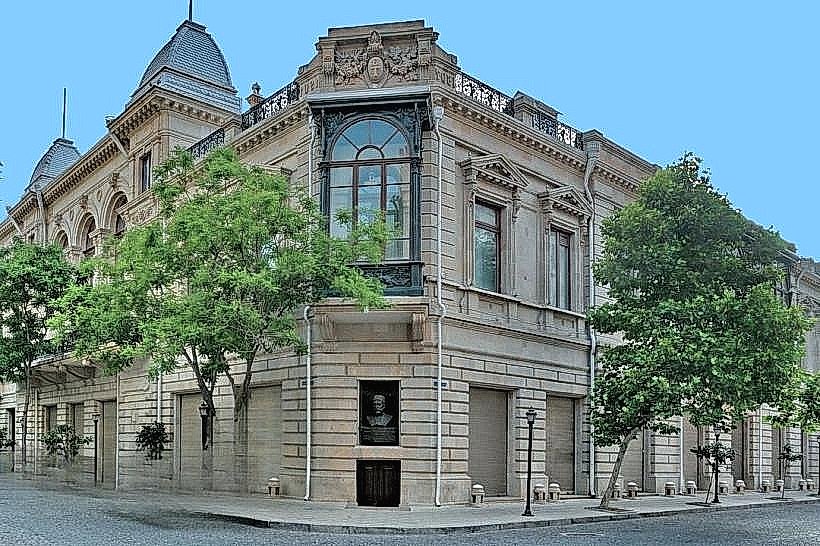
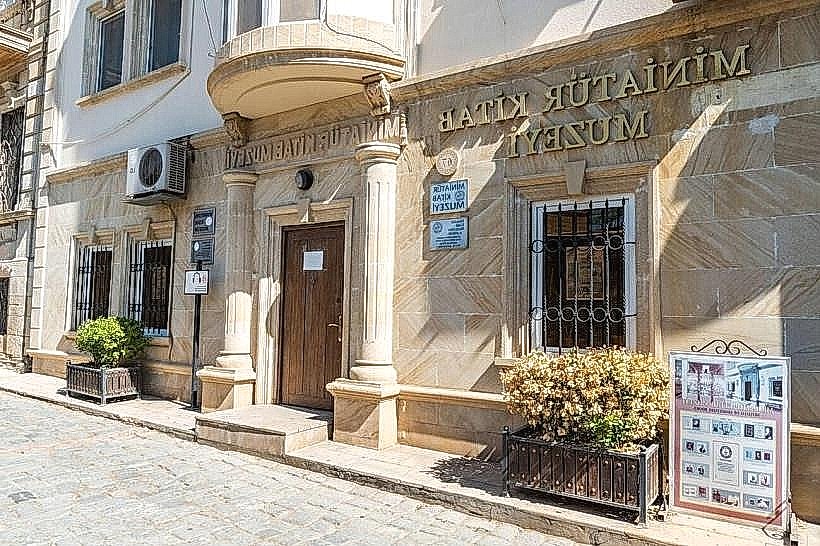
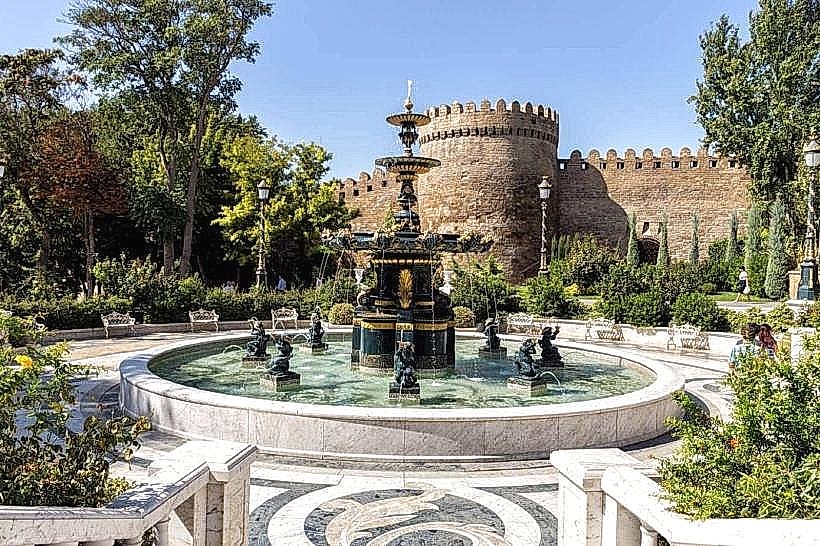
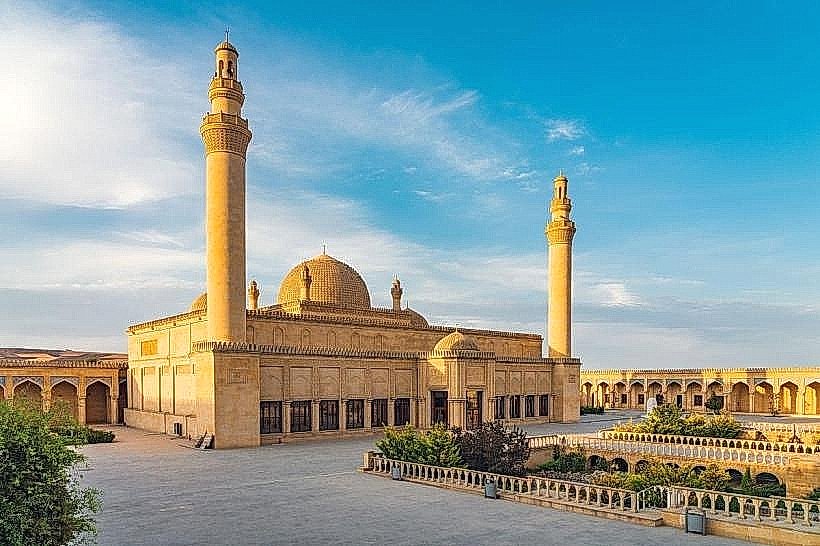
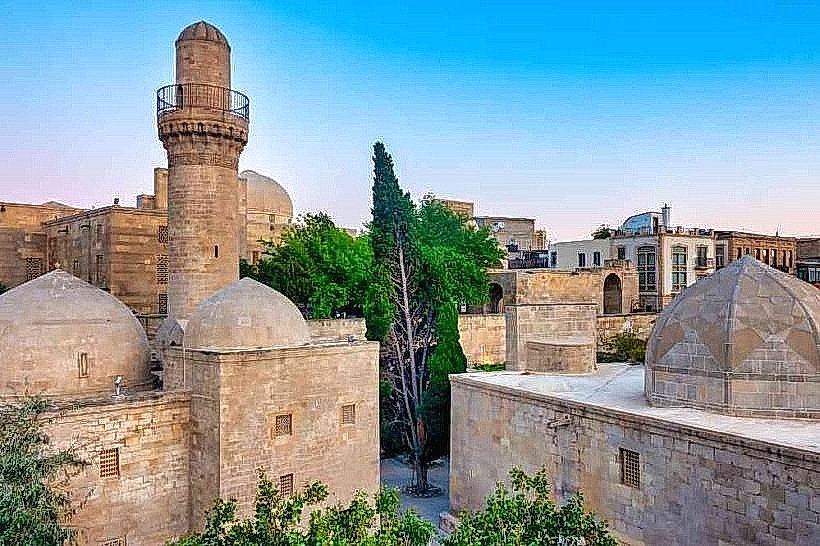
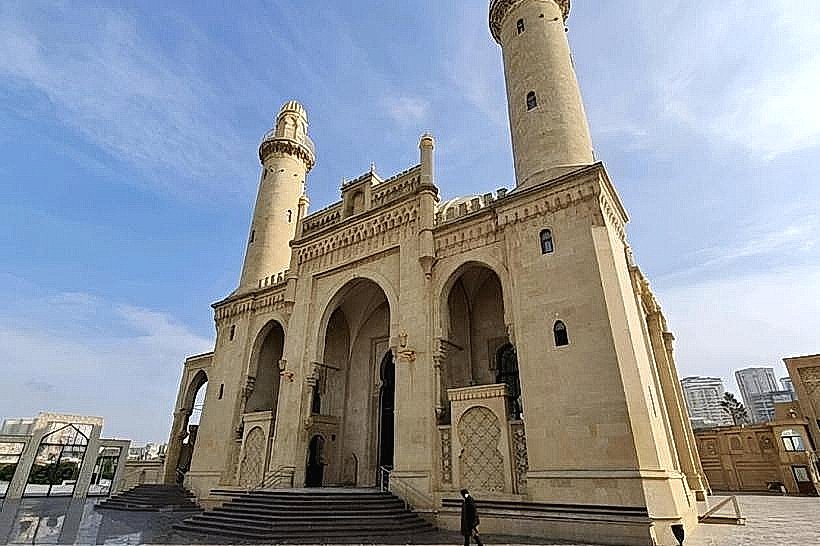
Landmark: Isa Bey Hajinski HouseCity: Baku
Country: Azerbaijan
Continent: Asia
Isa Bey Hajinski House, Baku, Azerbaijan, Asia
Victoria Beach is a coastal area located in Limbe, Cameroon.
Visual Characteristics
The beach features dark volcanic sand due to its proximity to Mount Cameroon. The coastline is approximately 3 kilometers long. Vegetation consists of palm trees and coastal shrubs lining the landward side of the beach.
Location & Access Logistics
Victoria Beach is situated 2 kilometers west of Limbe's city center. Access is via the main coastal road, known locally as the Limbe-Bota Road. Parking is available along the roadside, with designated informal parking areas. Public transport includes local taxis and minibuses (known as "molues") that run frequently along the Limbe-Bota Road.
Historical & Ecological Origin
The beach is composed of eroded volcanic material from the nearby Mount Cameroon, an active stratovolcano. Its formation is a result of past volcanic activity and subsequent erosion by the Atlantic Ocean.
Key Highlights & Activities
Activities include walking along the shoreline, observing local fishing activities, and swimming. The water is generally calm, suitable for recreational swimming. Local vendors offer fresh seafood.
Infrastructure & Amenities
Basic amenities include informal food stalls selling grilled fish and drinks. Restrooms are not consistently available or maintained. Cell phone signal (2G/3G) is generally present, but can be intermittent. Shade is provided by natural vegetation and temporary structures.
Best Time to Visit
The best time for photography is late afternoon, approximately 16:00 to 18:00, for softer light. The dry season, from November to March, offers the most favorable weather conditions with less rainfall. Tidal conditions do not significantly impact beach access or activities.
Facts & Legends
A local legend suggests that the dark sand possesses healing properties. Historically, the area served as a landing point for early European explorers and traders.
Nearby Landmarks
- Limbe Botanic Garden (1.5km East)
- Limbe Wildlife Centre (2.5km East)
- Mount Cameroon National Park Entrance (4km West)
- Bota Port (3km Southeast)