Information
Landmark: Jiquilisco BayCity: Usulutan
Country: El Salvador
Continent: North America
Jiquilisco Bay, Usulutan, El Salvador, North America
Jiquilisco Bay is a large estuarine system located in the Usulután department of El Salvador.
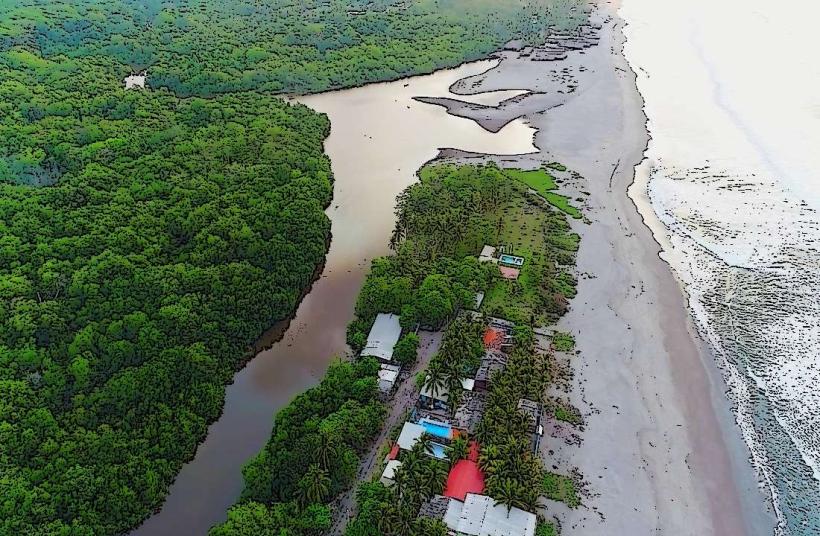
This bay is characterized by its extensive mangrove forests and diverse aquatic life.
Visual Characteristics
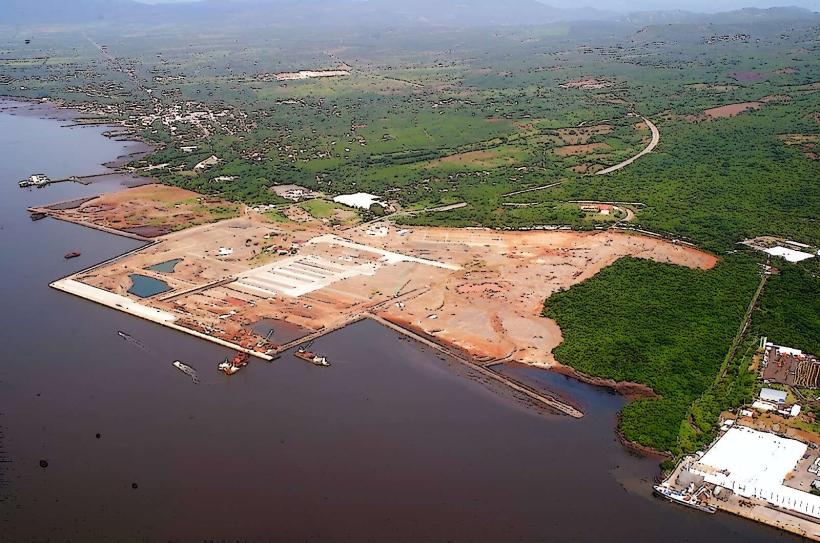
The bay features a complex network of channels and lagoons, predominantly bordered by dense mangrove vegetation. Water color varies from brackish brown in shallower areas to a deeper blue in the main channels. The coastline is a mix of mudflats exposed at low tide and sandy deposits. Birdlife is a significant visual element, with numerous species present year-round.
Location & Access Logistics
Jiquilisco Bay is situated approximately 120 kilometers east of San Salvador. Access is primarily via the CA-2 highway, turning south onto local roads towards Puerto El Triunfo or Puerto Parada. From these port towns, boat transportation is necessary to explore the bay. Limited parking is available at the port facilities. Public bus routes connect San Salvador to Usulután city, with local buses continuing to Puerto El Triunfo and Puerto Parada.
Historical & Ecological Origin
Jiquilisco Bay is a natural geological formation, an estuarine system formed by the confluence of several rivers and the Pacific Ocean. Its ecological significance lies in its extensive mangrove ecosystems, which serve as critical nurseries for marine species and provide coastal protection. The bay has been a vital resource for local fishing communities for centuries.
Key Highlights & Activities
Boat tours are available for exploring the mangrove channels and observing wildlife. Birdwatching is a primary activity, with opportunities to see species such as pelicans, frigatebirds, and various wading birds. Fishing excursions can be arranged. Kayaking is possible in calmer sections of the bay.
Infrastructure & Amenities
Basic amenities are available in the adjacent port towns of Puerto El Triunfo and Puerto Parada, including small restaurants and local shops. Restrooms are generally available at these port locations. Shade is provided by mangrove canopies during boat tours. Cell phone signal (2G/3G) is intermittent within the bay itself but generally available in the port towns.
Best Time to Visit
The dry season, from November to April, offers the most favorable weather conditions with less rainfall. Early morning and late afternoon provide optimal lighting for photography and wildlife viewing. Tidal patterns influence access to certain channels; consult local guides for high tide timings for deeper channel exploration.
Facts & Legends
Jiquilisco Bay is known for its significant population of Olive Ridley sea turtles, which nest on nearby beaches. A local legend speaks of ancient underwater cities within the bay, though no archaeological evidence supports this.
Nearby Landmarks
- Puerto El Triunfo (0.5km West)
- Puerto Parada (1km East)
- Playa El Espino (3km South)
- Usulután City Center (25km North)