Information
Landmark: Khaling Weaving CenterCity: Trashigang
Country: Bhutan
Continent: Asia
Khaling Weaving Center, Trashigang, Bhutan, Asia
The Khaling Weaving Center is a facility dedicated to the preservation and promotion of traditional Bhutanese weaving techniques, located in Khaling, Trashigang District, Bhutan.
Visual Characteristics
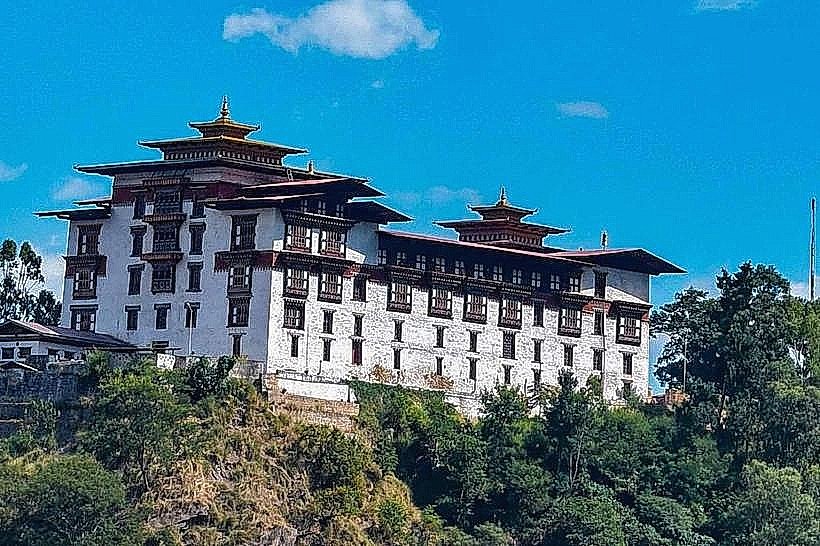
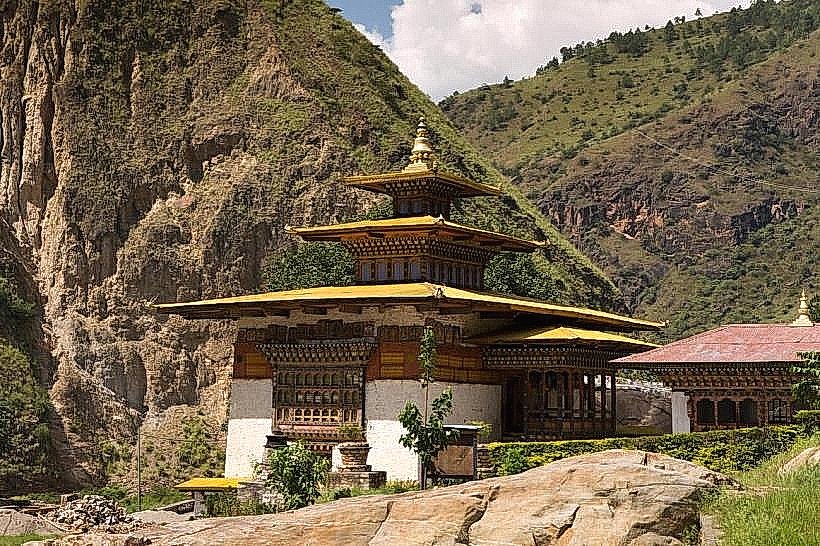
The center is housed in a multi-story building constructed primarily from stone and timber. The exterior features traditional Bhutanese architectural elements, including painted wooden window frames and decorative eaves. The interior displays a range of handwoven textiles, including textiles made from silk and yak wool, in various natural and dyed colors.
Location & Access Logistics
The Khaling Weaving Center is situated approximately 15 kilometers west of Trashigang town. Access is via the East-West Highway (A1). From Trashigang town, travel west on the A1 for approximately 15 kilometers. The center is located directly adjacent to the highway. Parking is available on-site. Public transport options are limited; local buses that travel between Trashigang and other western districts may stop in Khaling, but schedules are infrequent.
Historical & Ecological Origin
The Khaling Weaving Center was established in 1975 by the Royal Government of Bhutan as part of a broader initiative to support rural livelihoods and conserve traditional crafts. Its purpose is to provide training and employment for local women in weaving, ensuring the continuation of Bhutanese textile heritage.
Key Highlights & Activities
Visitors can observe weavers at work on traditional backstrap looms. Demonstrations of the weaving process are available. A retail section offers a selection of handwoven items for purchase, including scarves, shawls, and traditional Bhutanese garments (gho and kira). Educational displays detail the history and significance of Bhutanese weaving.
Infrastructure & Amenities
Restrooms are available on-site. Limited shaded areas are present within the building. Cell phone signal (4G) is generally available. There are no food vendors directly at the center; however, small local shops and eateries are located in the nearby Khaling village.
Best Time to Visit
The center is open year-round during daylight hours. For optimal viewing of weaving activities, visiting during the morning (9:00 AM to 12:00 PM) is recommended. The weather in Trashigang District is generally pleasant from March to May and September to November.
Facts & Legends
A specific type of red thread, known as "Tshem-dhar," is traditionally used in Khaling textiles and is believed by some local artisans to impart protective qualities to the wearer.
Nearby Landmarks
- Trashigang Dzong (Fortress) - 15km East
- Gom Kora Lhakhang - 10km Southwest
- Rangjung Woesel Choeling Monastery - 18km East
- Phuntsholing Town - Approximately 300km West (major town, not a direct landmark)