Information
Landmark: Trashigang DzongCity: Trashigang
Country: Bhutan
Continent: Asia
Trashigang Dzong, Trashigang, Bhutan, Asia
Trashigang Dzong is a fortress-monastery located in Trashigang, Bhutan.
Visual Characteristics
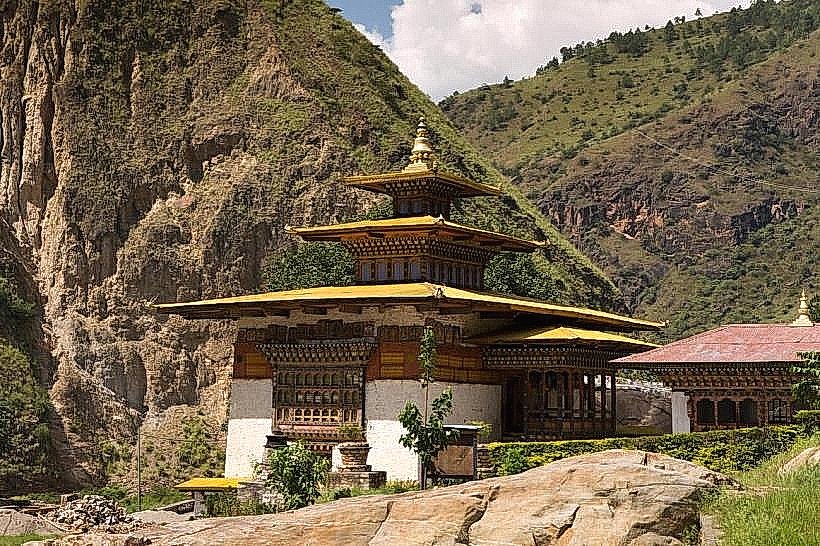
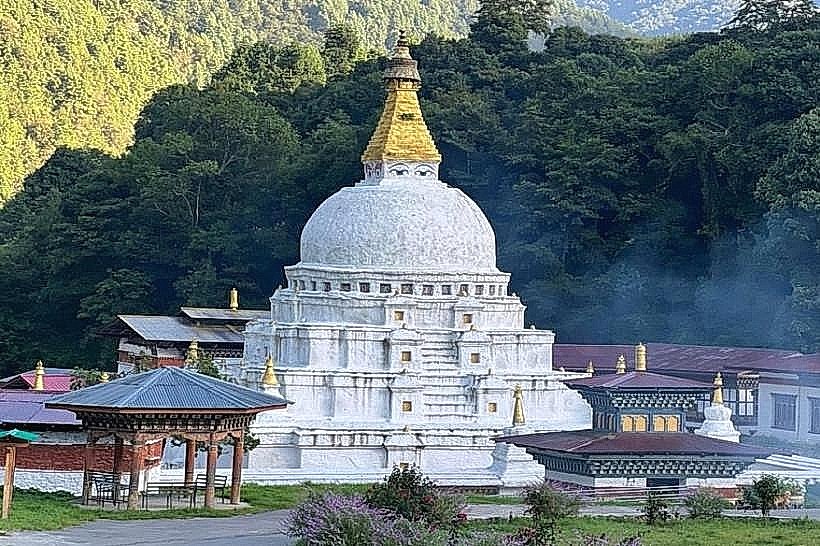
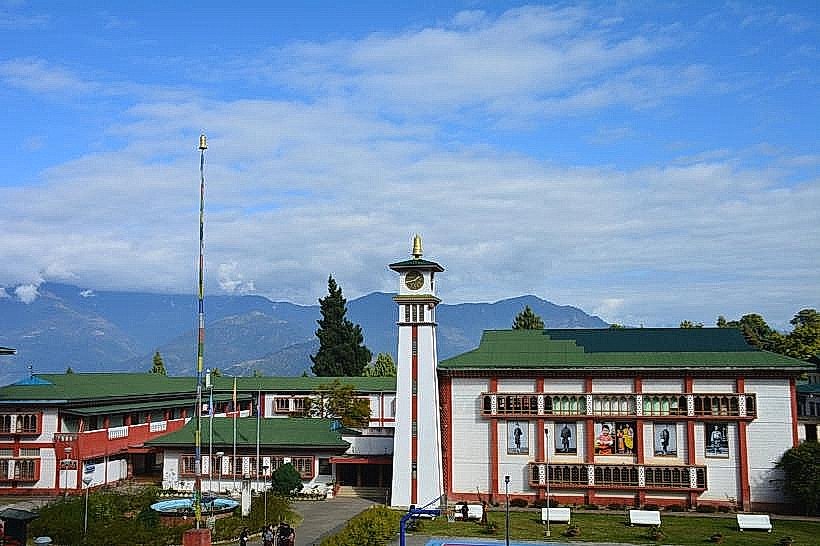
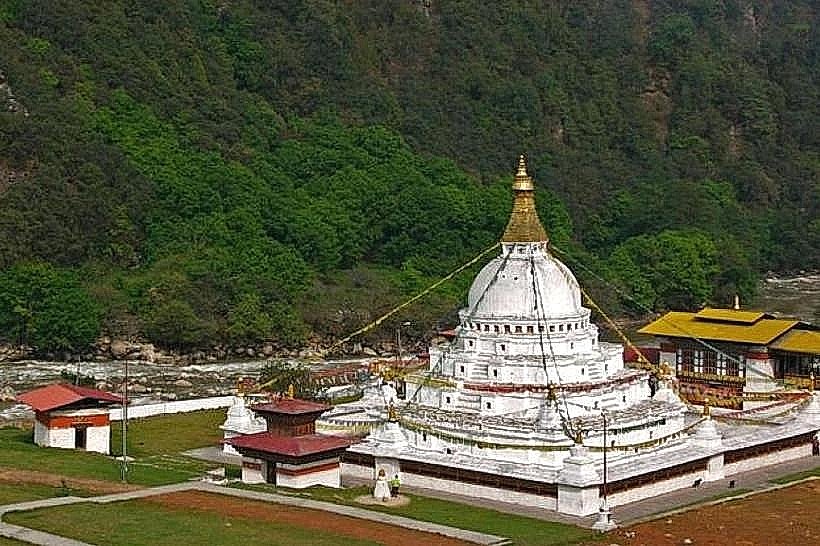
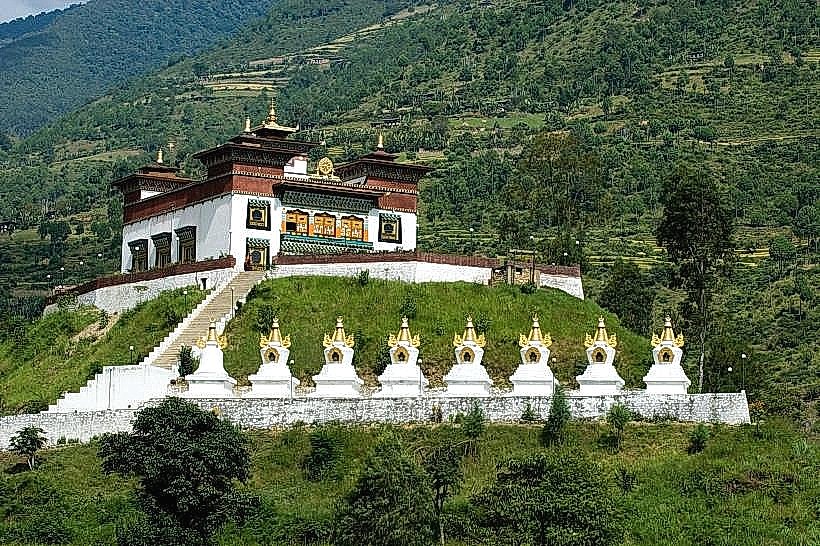
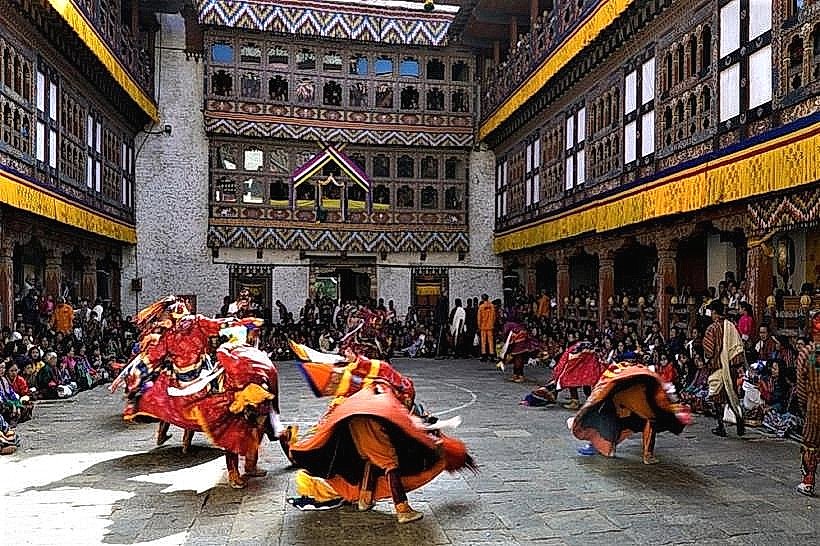
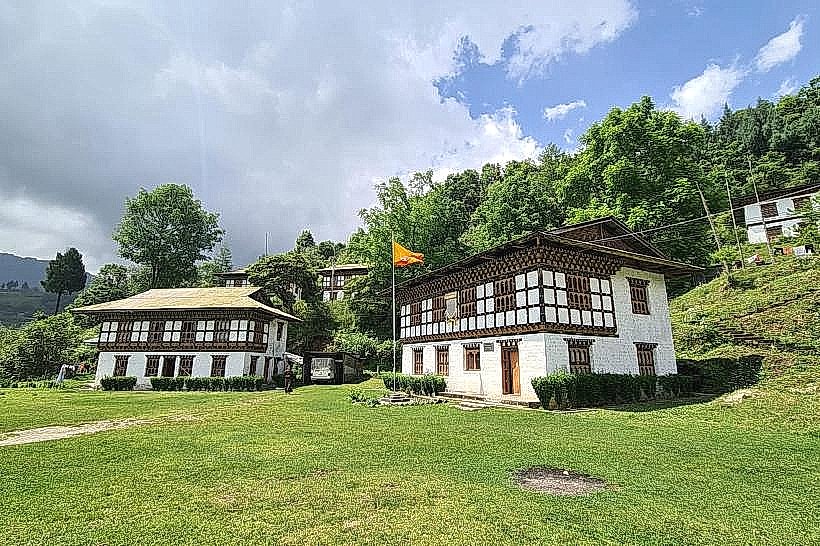
Constructed primarily from stone and timber, the dzong features whitewashed walls with distinctive red ochre bands near the roofline. It is a multi-storied structure with a central courtyard and several administrative and monastic buildings. The architectural style is traditional Bhutanese, characterized by intricate woodwork and tiered roofs.
Location & Access Logistics
The dzong is situated on a spur overlooking the confluence of the Drangme Chhu and Gamri rivers, approximately 1 kilometer from the center of Trashigang town. Access is via a paved road leading directly to the dzong. Parking is available at the base of the dzong. Public transport to Trashigang town is available via bus services from major cities in Bhutan; local taxis can then be hired to reach the dzong.
Historical & Ecological Origin
Construction of Trashigang Dzong began in 1659 under the order of Chhogyal Minjur Tenpa, the third Druk Desi. Its original purpose was to serve as a defense point against Tibetan invasions and as an administrative center for the eastern region of Bhutan.
Key Highlights & Activities
Visitors can explore the central courtyard and observe the monastic life. Guided tours are available, providing information on the dzong's history and architecture. Photography is permitted in designated areas.
Infrastructure & Amenities
Restrooms are available within the dzong complex. Limited shade is present in the courtyard. Cell phone signal (4G) is generally available. Food vendors are located in Trashigang town, a short distance from the dzong.
Best Time to Visit
The best time of day for photography is in the late afternoon when the sun illuminates the dzong's facade. The dry season, from October to March, offers the most favorable weather conditions. No specific tide requirements apply.
Facts & Legends
A local legend states that the dzong was built on the site of a temple where a demon was subdued. The dzong's strategic location allowed it to control trade routes in eastern Bhutan.
Nearby Landmarks
- Trashigang Town Center (1km Southwest)
- Khardung Monastery (3km Northeast)
- Rangjung Monastery (8km Southeast)