Information
Landmark: Trashi YangtseCity: Trashigang
Country: Bhutan
Continent: Asia
Trashi Yangtse, Trashigang, Bhutan, Asia
Trashi Yangtse is a district and town located in eastern Bhutan. It is situated in a valley formed by the confluence of the Khoma Chhu and the Drangme Chhu rivers.
Visual Characteristics
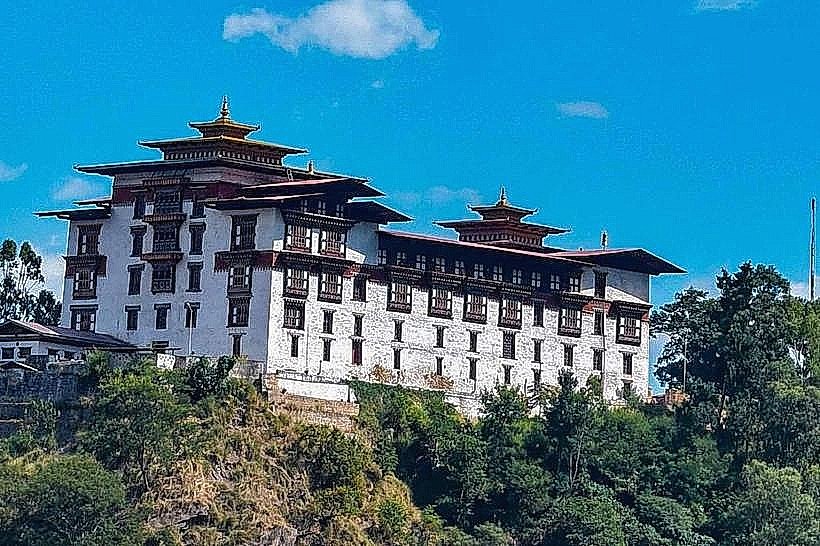
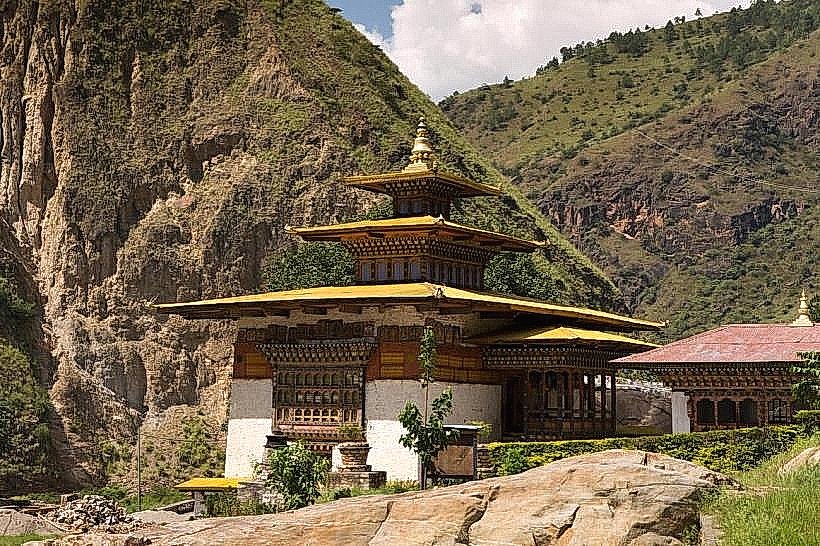
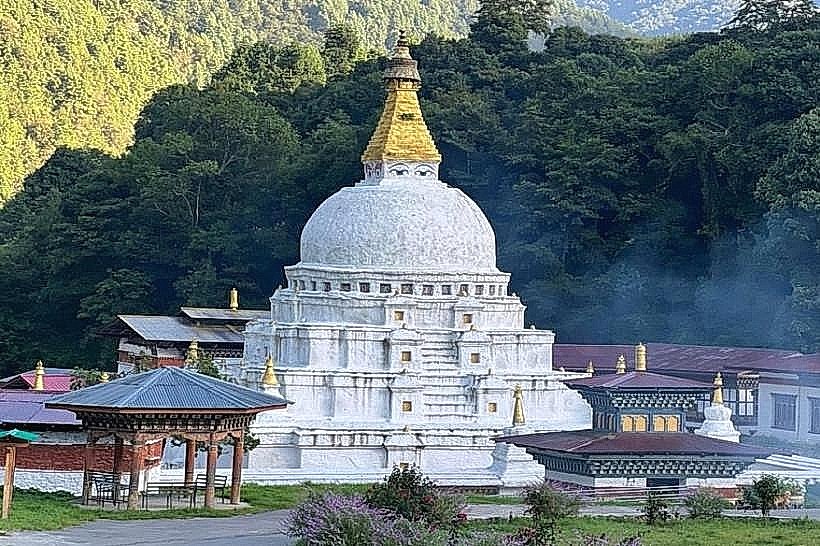
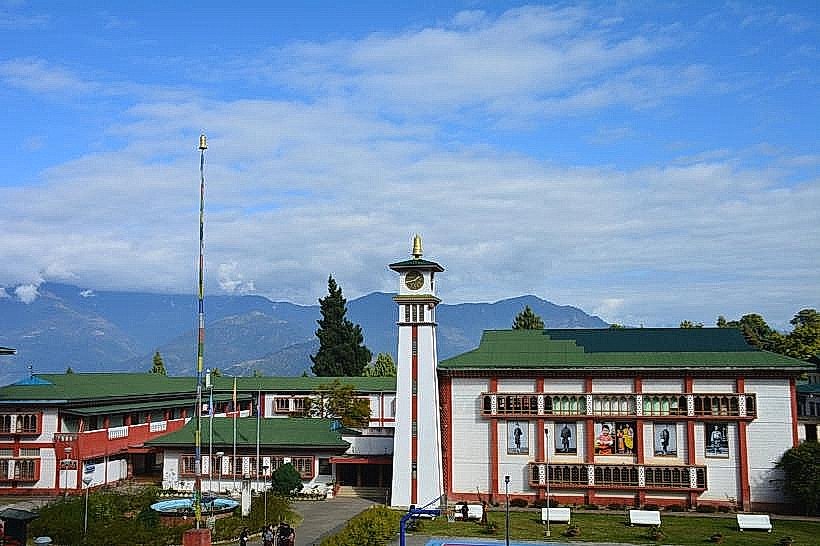
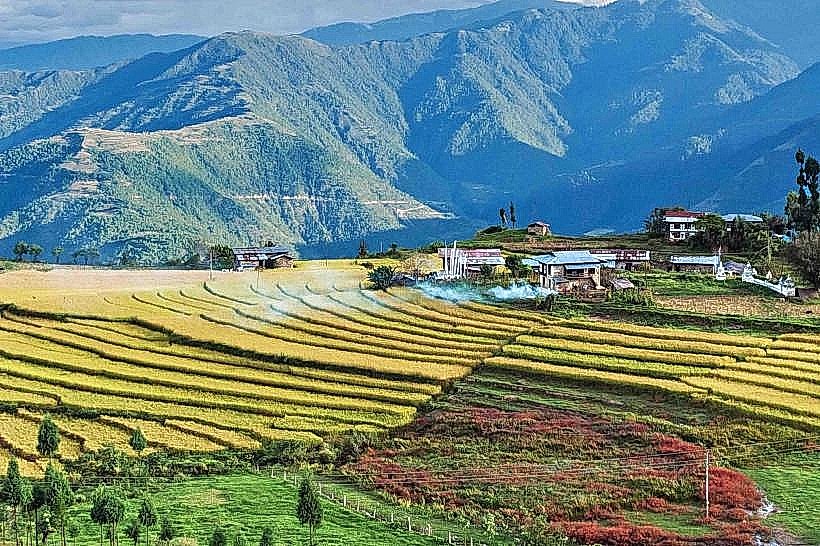
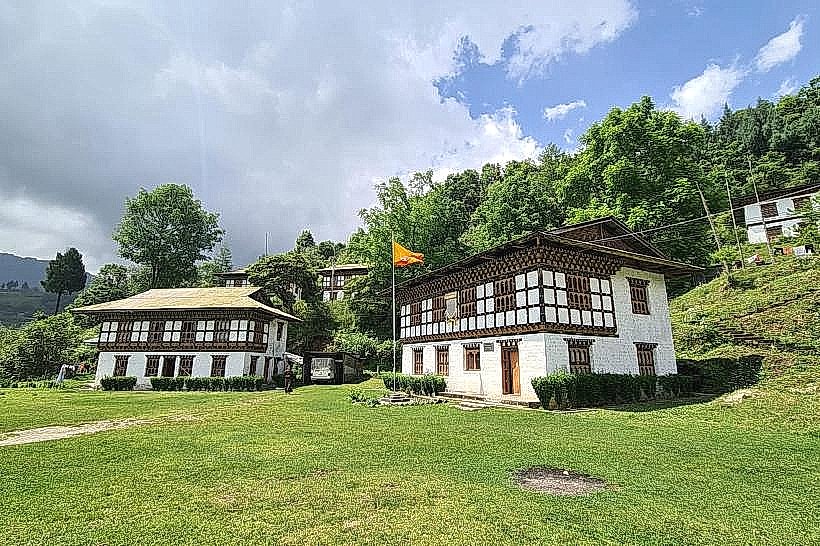
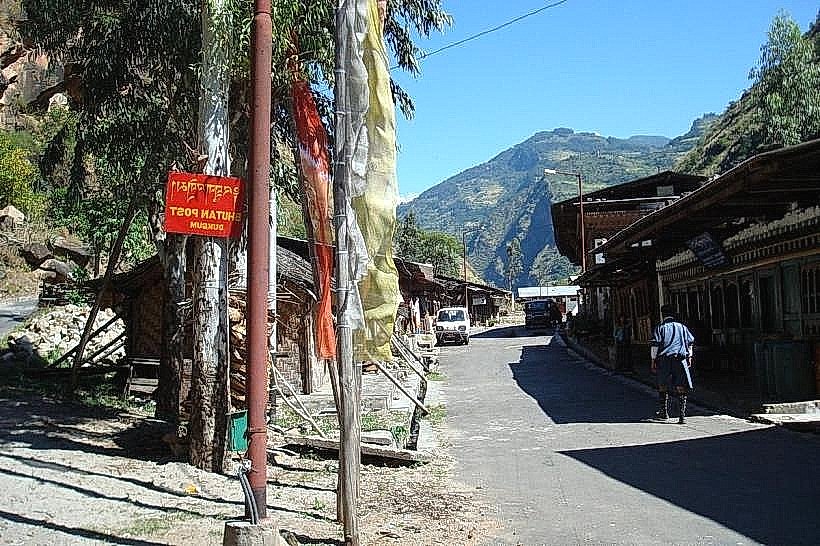
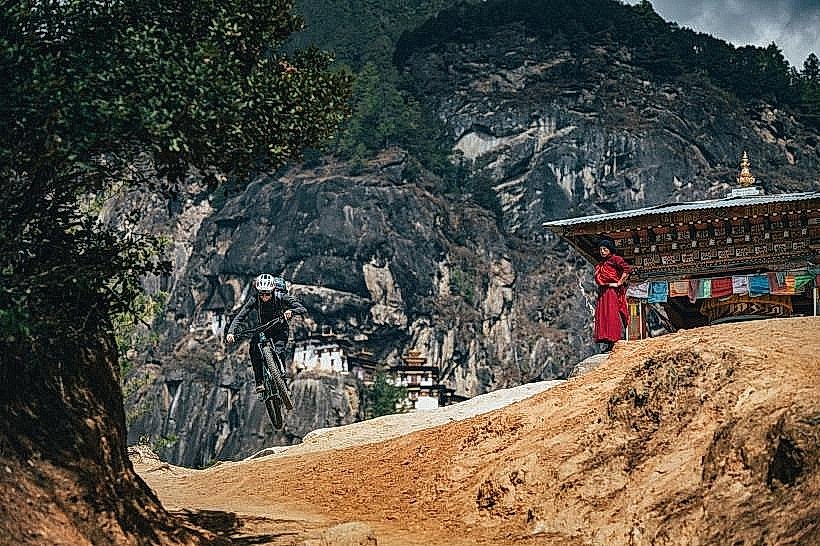
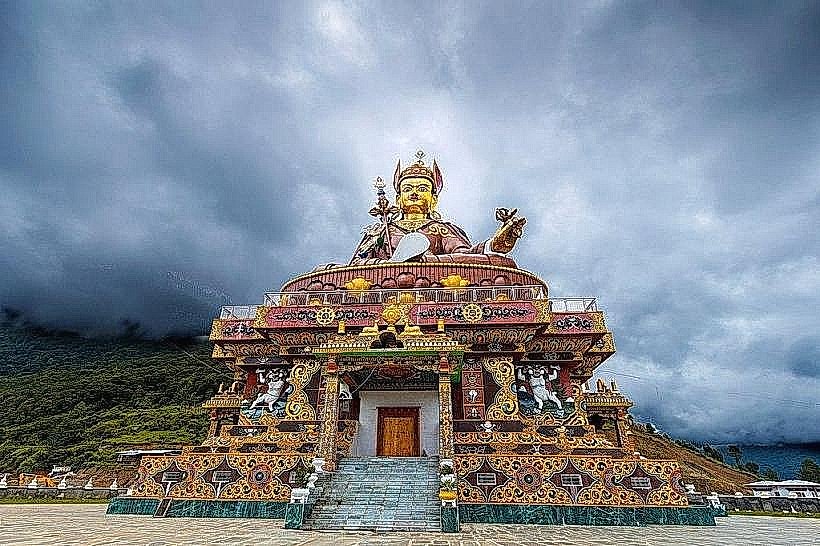
The town of Trashi Yangtse is characterized by traditional Bhutanese architecture, with multi-story buildings constructed from stone and timber. Roofs are typically pitched and covered with slate. The surrounding valley features terraced agricultural fields and dense coniferous forests on the slopes of the surrounding hills. The rivers are clear and fast-flowing.
Location & Access Logistics
Trashi Yangtse is approximately 150 kilometers east of Trashigang town. Access is via the East-West Highway (A3) to Trashigang, then continuing on the A3 towards Yangtse. The road is paved but can be winding. There is a designated parking area in the town center. Public transport options are limited to shared taxis and buses operating between Trashigang and Trashi Yangtse, with services running daily.
Historical & Ecological Origin
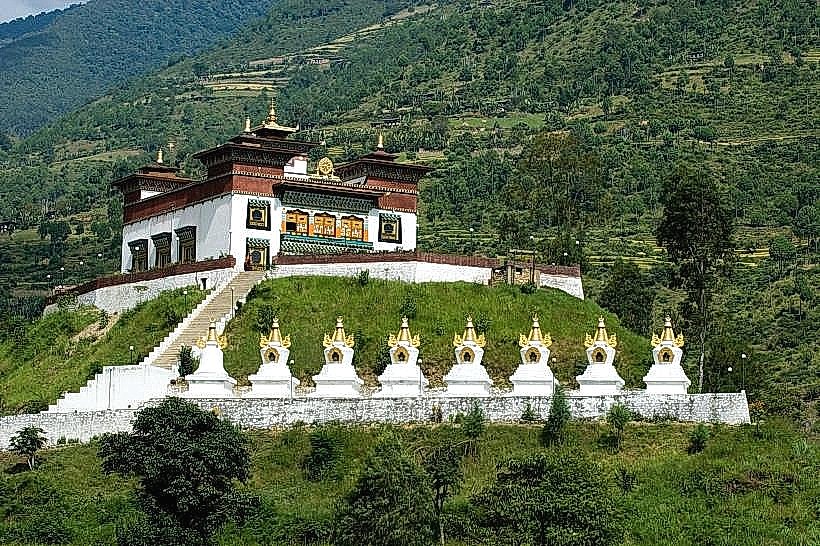
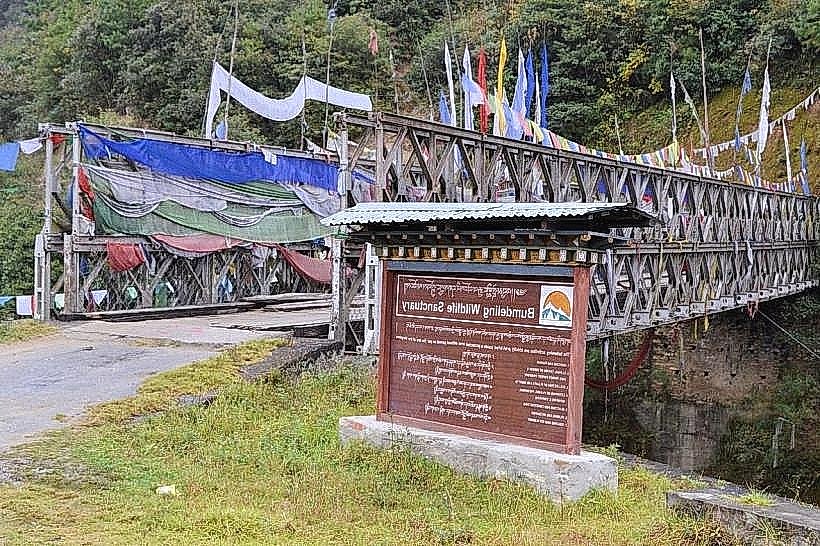
The Trashi Yangtse Dzong, a prominent structure in the town, was originally built in the 17th century and later reconstructed. The area's ecological significance lies in its location within the protected ecosystem of Bumdeling Wildlife Sanctuary, known for its biodiversity, including the endangered Black-necked Crane during winter months.
Key Highlights & Activities
Visitors can explore the Trashi Yangtse Dzong. Hiking trails are available in the surrounding hills, offering views of the valley. The town is a starting point for excursions into Bumdeling Wildlife Sanctuary. Observing the confluence of the Khoma Chhu and Drangme Chhu rivers is a notable activity.
Infrastructure & Amenities
Basic amenities are available in Trashi Yangtse town, including small guesthouses and local eateries. Restrooms are generally available at the Dzong and in some public areas. Cell phone signal (2G/3G) is present but can be intermittent in outlying areas. Shade is provided by trees in some public spaces and within buildings.
Best Time to Visit
The best months for visiting Trashi Yangtse are from March to May and September to November, offering clear skies and moderate temperatures. For photography, early morning and late afternoon provide optimal lighting conditions for the valley and the Dzong. The winter months (November to February) are suitable for birdwatching, particularly for the Black-necked Cranes in Bumdeling.
Facts & Legends
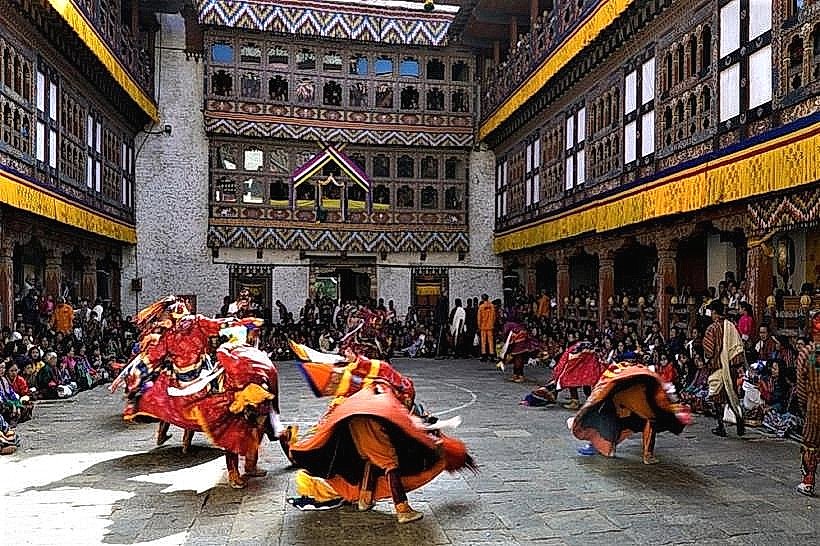
A local legend states that the Trashi Yangtse Dzong was built on the horns of a giant demon. A specific tip for visitors is to inquire about local festivals, which often involve traditional masked dances and cultural performances, providing a deeper insight into Bhutanese heritage.
Nearby Landmarks
- Bumdeling Wildlife Sanctuary (5km North)
- Khoma Chhu River Confluence (1km West)
- Trashigang Dzong (150km Southwest)
- Gom Kora Lhakhang (25km Southeast)