Information
Landmark: Radhi ValleyCity: Trashigang
Country: Bhutan
Continent: Asia
Radhi Valley, Trashigang, Bhutan, Asia
Radhi Valley is an agricultural region situated in Trashigang District, Bhutan. It is known for its rice cultivation and traditional farming practices.
Visual Characteristics
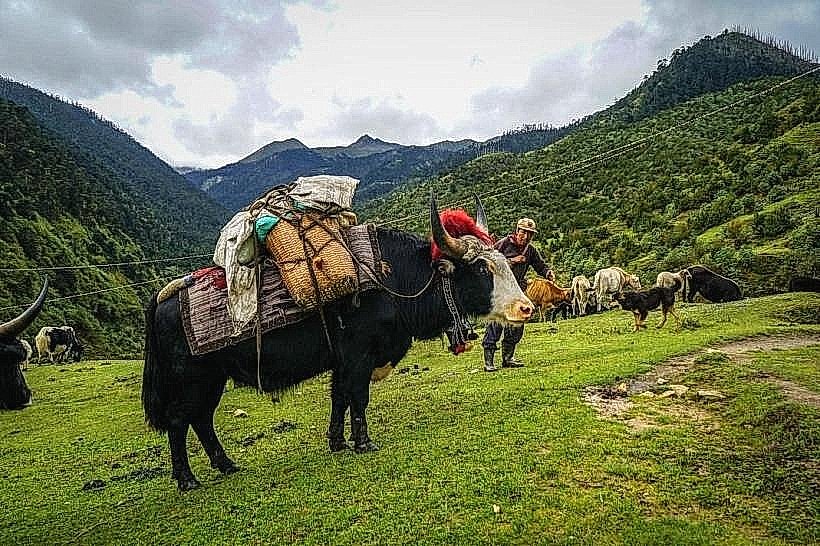
The valley floor is characterized by extensive rice paddies, typically exhibiting shades of green during the growing season and golden hues during harvest. The paddies are irrigated by a network of small streams and channels. The surrounding slopes are covered with mixed deciduous and coniferous forests. The valley is relatively narrow, with the Radhi River flowing through its center.
Location & Access Logistics
Radhi Valley is located approximately 15 kilometers west of Trashigang town. Access is via the East-West Highway (AH2). The turn-off to Radhi village is clearly marked. The road within the valley is unpaved but generally passable for most vehicles. Parking is available in designated areas near the village center. Public transport to Trashigang town is available, from where local taxis can be hired to reach the valley.
Historical & Ecological Origin
The valley's agricultural significance dates back centuries, with rice cultivation being a primary economic activity for generations. The valley's fertile soil is a result of alluvial deposits from the Radhi River and the surrounding mountainous terrain. The ecological classification is temperate forest and agricultural land, supporting a diverse range of flora and fauna typical of the eastern Bhutanese Himalayas.
Key Highlights & Activities
Observation of traditional rice farming techniques. Walking along the irrigation channels. Birdwatching in the surrounding forest areas. Visiting the local Radhi village to observe daily life. Photography of the terraced paddies.
Infrastructure & Amenities
Basic amenities are available in Radhi village, including small local shops selling snacks and beverages. Restrooms are generally not publicly available; visitors should plan accordingly. Shade is provided by trees along the riverbanks and forest edges. Cell phone signal (2G/3G) is intermittent within the valley.
Best Time to Visit
The best time for visual appeal is during the planting season (April-May) when the paddies are a bright green, or during the harvest season (October-November) when they turn golden. The weather is most pleasant during spring (March-May) and autumn (September-November). Mid-morning offers good lighting for photography of the landscape.
Facts & Legends
Radhi Valley is renowned for its production of "red rice," a local variety with a nutty flavor and distinct color, which is a staple in Bhutanese cuisine. Legend states that the valley was blessed by a local deity to ensure bountiful harvests for its inhabitants.
Nearby Landmarks
- Trashigang Dzong (15km East)
- Gom Kora Lhakhang (10km Southeast)
- Khaling Wildlife Sanctuary (25km Southwest)