Information
Landmark: Khama III Memorial MuseumCity: Serowe
Country: Botswana
Continent: Africa
Khama III Memorial Museum, Serowe, Botswana, Africa
The Khama III Memorial Museum is a cultural institution located in Serowe, Botswana. It serves as a repository for the history and heritage of the Bangwato people.
Visual Characteristics
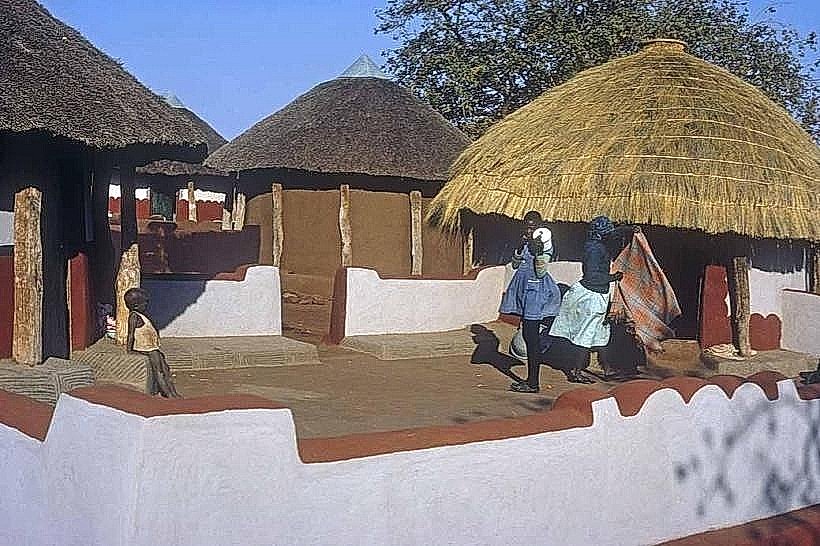
The museum building is a single-story structure constructed from locally sourced red brick. It features a corrugated iron roof and a simple, rectangular design. The exterior is painted a neutral beige, with dark green trim around the windows and doors. A small, paved courtyard is located at the front entrance.
Location & Access Logistics
The museum is situated in the center of Serowe, approximately 0.5km west of the main A1 highway. Access is via the paved road leading to the Serowe Administrative District offices. Limited on-site parking is available in a gravel lot adjacent to the building. Public transport within Serowe typically involves shared taxis; the nearest drop-off point is a 5-minute walk from the museum entrance.
Historical & Ecological Origin
The museum was established in 1985 to commemorate the reign of Khama III, a prominent chief of the Bangwato people who ruled from 1875 to 1923. The building itself was formerly a government administrative office. The site is located on the edge of the Kalahari Desert, characterized by arid savanna vegetation.
Key Highlights & Activities
Exhibits focus on the history of the Bangwato monarchy, traditional Tswana culture, and the life of Khama III. Visitors can view displays of historical artifacts, photographs, and genealogical charts. The museum offers guided tours detailing the exhibits and local history. Photography is permitted within the exhibition halls.
Infrastructure & Amenities
Restrooms are available on-site. Limited shade is provided by trees in the front courtyard. Cell phone signal (4G) is generally reliable within the museum. No food vendors are located directly at the museum; however, local shops and eateries are within a 10-minute walking distance.
Best Time to Visit
The best time of day for visiting is between 10:00 AM and 3:00 PM to ensure adequate natural light for viewing exhibits. The dry season, from May to October, offers the most comfortable weather conditions with lower humidity and minimal rainfall. The museum is open year-round during standard business hours.
Facts & Legends
A notable artifact on display is a ceremonial spear believed to have belonged to Khama III himself. Local lore suggests that the spirit of Khama III watches over Serowe, ensuring the prosperity of its people.
Nearby Landmarks
- Serowe Administrative District Offices (0.1km East)
- Khama III Memorial Statue (0.3km South)
- Botswana Defence Force Museum (0.8km Northwest)
- Serowe Main Mall (0.6km West)