Information
Landmark: Khama Rhino SanctuaryCity: Serowe
Country: Botswana
Continent: Africa
Khama Rhino Sanctuary, Serowe, Botswana, Africa
The Khama Rhino Sanctuary is a conservation area located near Serowe, Botswana. It is dedicated to protecting endangered rhinoceros species.
Visual Characteristics
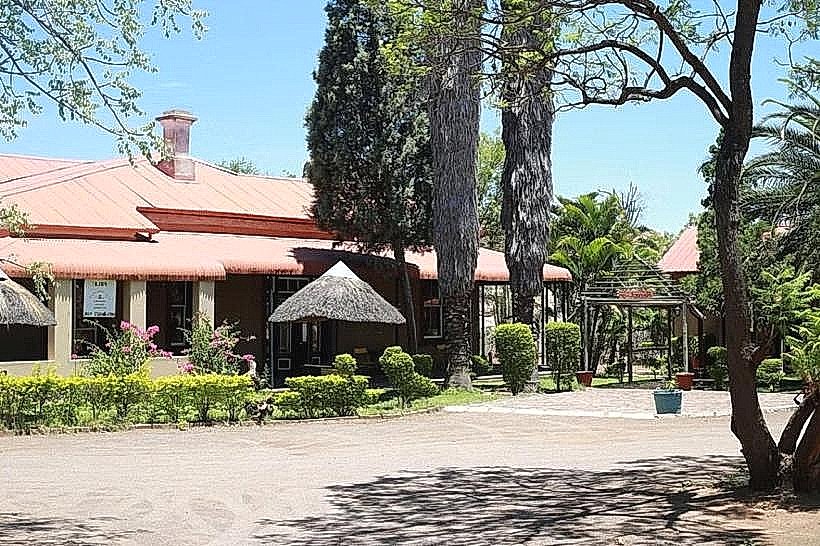
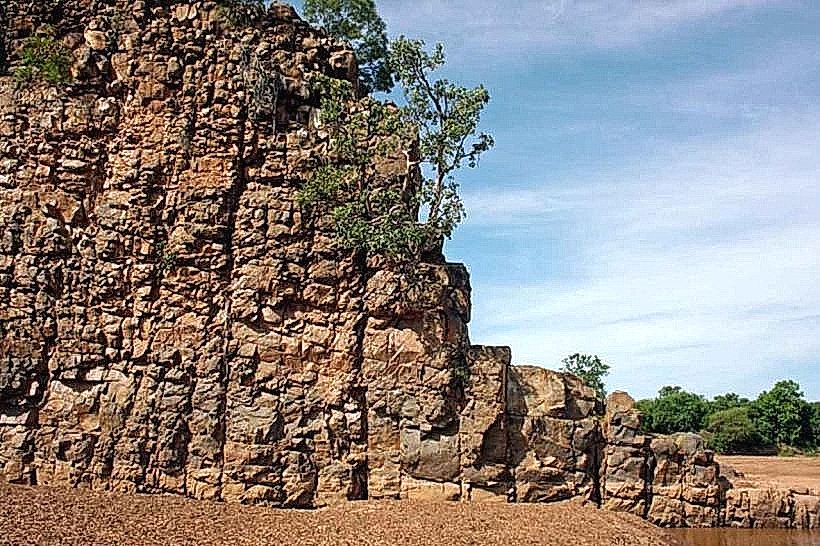
The sanctuary comprises approximately 4,000 hectares of semi-arid savanna. Vegetation consists primarily of acacia trees and sparse grasses. The terrain is generally flat to gently undulating, with occasional rocky outcrops. Waterholes are strategically placed throughout the area.
Location & Access Logistics
The sanctuary is situated 25 kilometers north of Serowe. Access is via the A1 highway, turning off onto a well-maintained gravel road (signposted). The drive from Serowe town center is approximately 30 minutes. Ample parking is available at the main entrance and visitor center. No public transport directly serves the sanctuary; private vehicle or organized tour transport is required.
Historical & Ecological Origin
Established in 1992, the Khama Rhino Sanctuary Trust was formed to address the severe decline of rhino populations in Botswana due to poaching. It is an example of community-based conservation, with the local community of Serowe playing a significant role in its management and operation. The area is ecologically classified as a semi-arid savanna ecosystem.
Key Highlights & Activities
Activities include guided game drives for rhino viewing, self-drive game viewing (on designated routes), and guided walking safaris. Visitors can observe both white and black rhinoceros. Birdwatching is also a popular activity.
Infrastructure & Amenities
The sanctuary features a visitor center with a small shop and information displays. Restrooms are available at the visitor center. Limited shaded areas are present at the visitor center and designated picnic spots. Cell phone signal (4G) is intermittent within the sanctuary boundaries. No food vendors are located within the sanctuary; visitors should bring their own provisions.
Best Time to Visit
The best time for wildlife viewing is during the dry season, from May to October, when water sources are limited, concentrating animals. Early morning and late afternoon offer optimal lighting conditions for photography. No specific tide requirements apply.
Facts & Legends
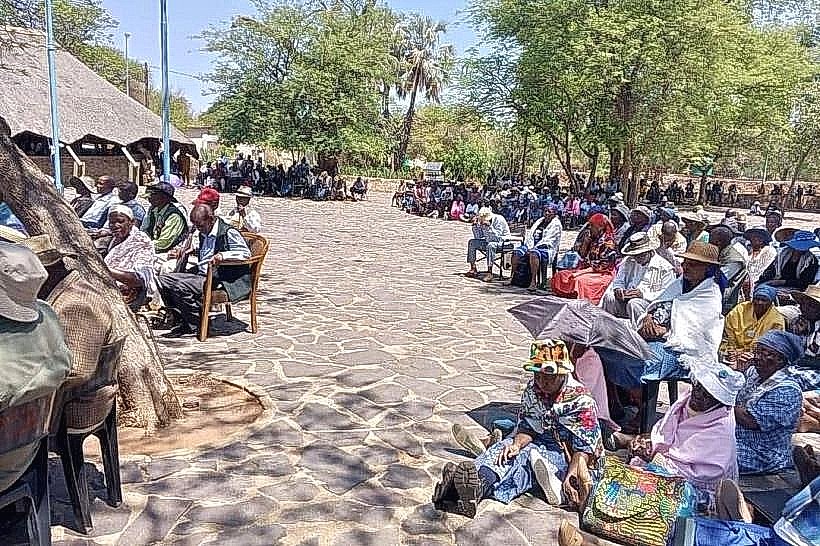
A unique aspect of the sanctuary's operation is its integration with the local community, providing employment and revenue. A specific tip for visitors is to remain in their vehicles during game drives unless accompanied by a guide, especially when observing rhinos.
Nearby Landmarks
- Khama III Memorial Museum (25km South)
- Serowe Main Kgotla (26km South)
- Botswana Society for the Arts (27km South)
- Central District Council Offices (25km South)