Information
Landmark: Serowe Main KgotlaCity: Serowe
Country: Botswana
Continent: Africa
Serowe Main Kgotla, Serowe, Botswana, Africa
The Serowe Main Kgotla is a traditional tribal meeting place located in Serowe, Botswana. It serves as a central hub for community gatherings and decision-making.
Visual Characteristics
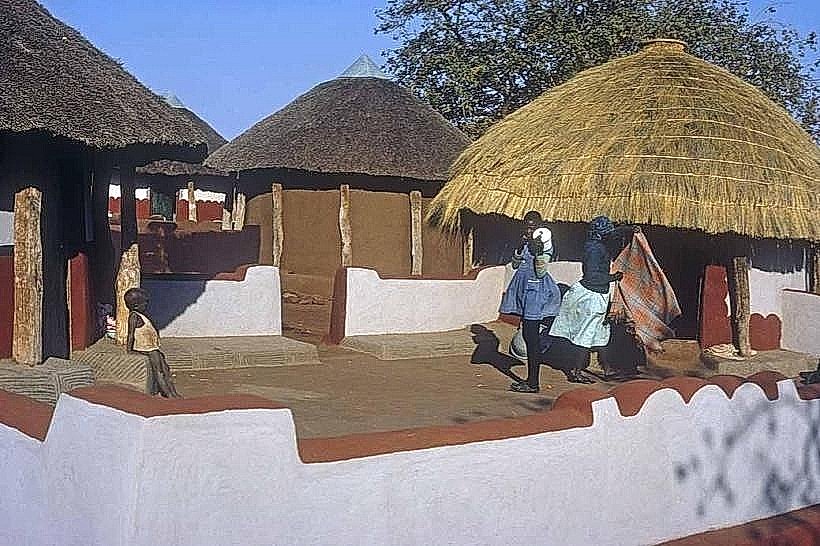
The Kgotla consists of a large, open, circular area defined by a low, dry-stone wall. Within this enclosure, a prominent, large acacia tree provides shade. The ground is compacted earth. Surrounding the main area are several smaller, thatched-roof structures and seating areas constructed from wood and local materials.
Location & Access Logistics
The Serowe Main Kgotla is situated in the center of Serowe, approximately 0.5km west of the main A1 highway. Access is directly from Independence Drive. Ample unpaved parking is available adjacent to the Kgotla. Public transport within Serowe typically involves local combis (minibuses), which stop at designated points along Independence Drive, a short walk from the site.
Historical & Ecological Origin
The Kgotla is a traditional institution dating back to the formation of the Bangwato people. The current site has been in use for generations, evolving as the administrative center for the paramount chief. The large acacia tree is a native species, providing natural shade and a focal point for the gathering space.
Key Highlights & Activities
Observing traditional community meetings (when scheduled). Understanding the layout and function of a historical tribal council area. Engaging with local history through observation of the site's architecture and layout.
Infrastructure & Amenities
Basic seating is available under the acacia tree and in surrounding structures. There are no formal restroom facilities on-site. Cell phone signal (4G) is generally available. No food vendors are permanently located at the Kgotla, but local shops are within walking distance.
Best Time to Visit
The best time of day for visiting is during the cooler morning hours (9:00 AM - 11:00 AM) or late afternoon (3:00 PM - 5:00 PM) to avoid the midday sun. The dry season, from May to October, offers the most comfortable weather conditions.
Facts & Legends
The Kgotla is where important tribal decisions were historically announced and debated. It is said that the specific placement of the acacia tree was determined by elders for optimal shade and acoustics during gatherings.
Nearby Landmarks
- Khama III Memorial Museum (0.3km East)
- Serowe Central Post Office (0.4km Southeast)
- Botswana Defence Force (BDF) Barracks (1.2km North)
- Serowe Stadium (0.8km Southwest)