Information
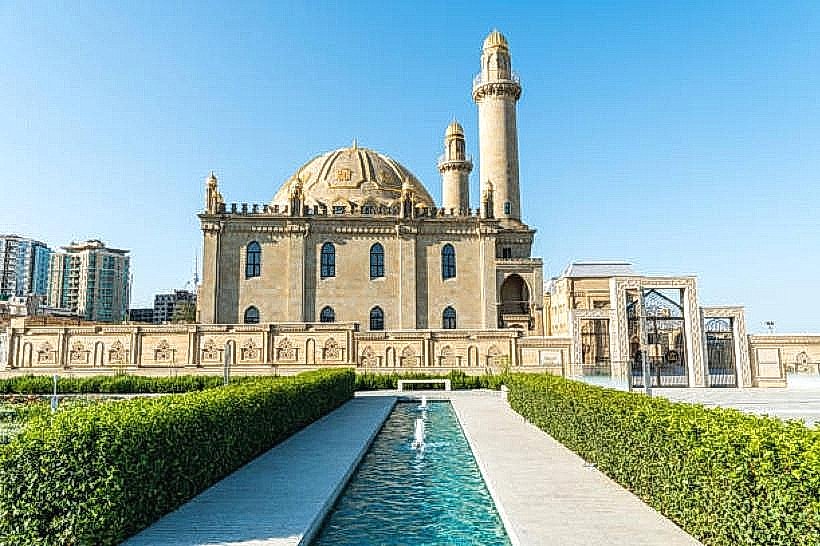
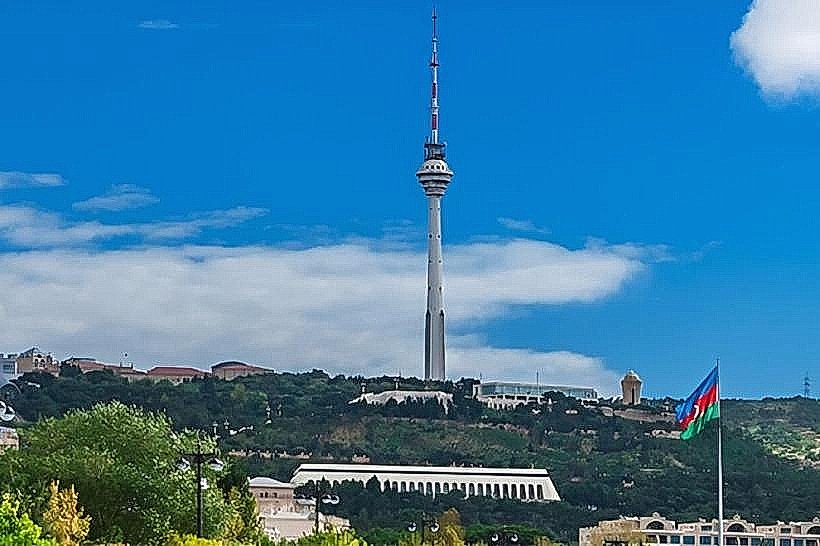
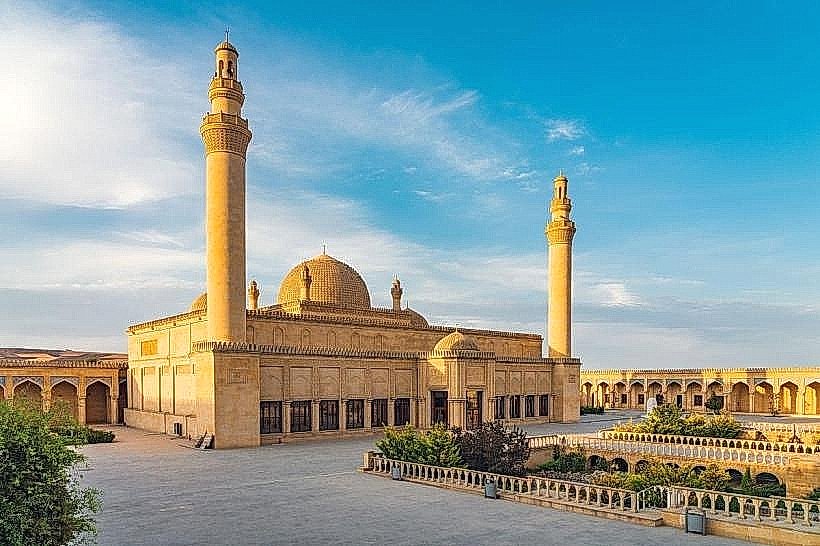
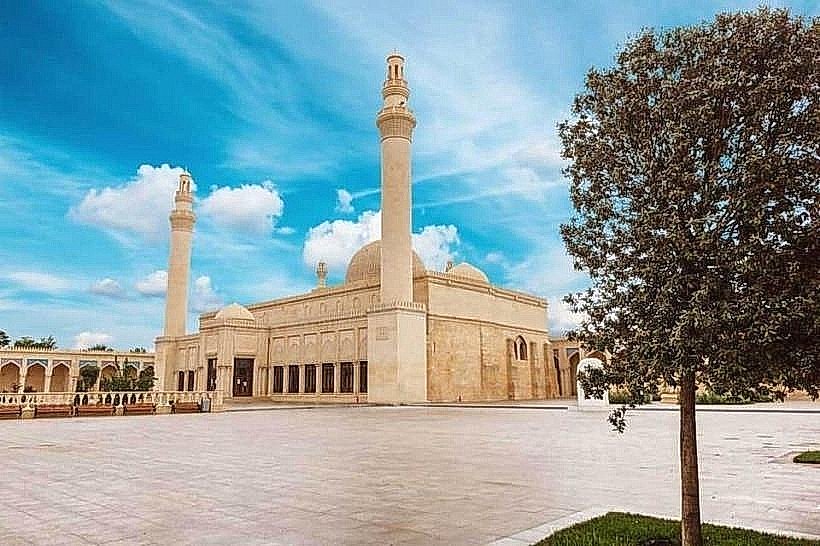
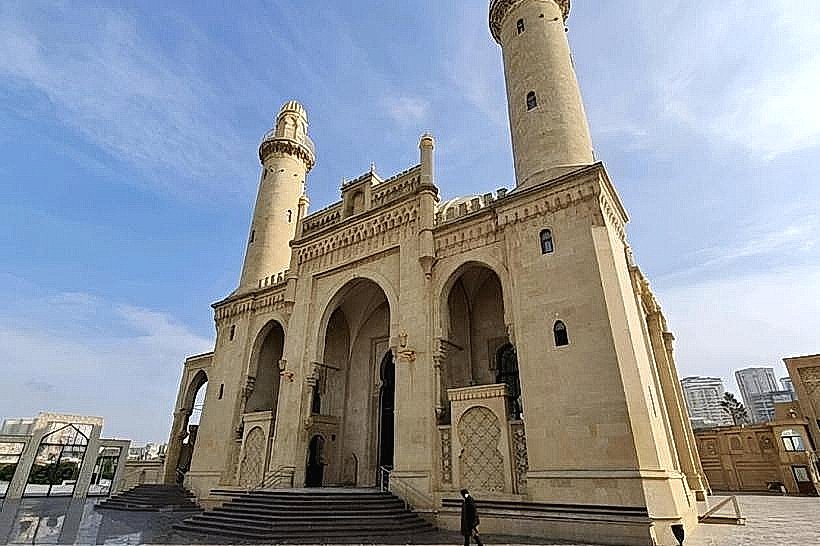
Landmark: Khidir MosqueCity: Baku
Country: Azerbaijan
Continent: Asia
Khidir Mosque, Baku, Azerbaijan, Asia
The Buea Government Palace is an administrative building located in Buea, Cameroon. It serves as a key governmental facility for the region.
Visual Characteristics
The palace is constructed primarily from concrete and painted a pale yellow. It features a multi-story design with a central administrative block and attached wings. The architecture is functional, characterized by rectangular windows and a flat roof. A prominent clock tower is situated at the front of the main building.
Location & Access Logistics
The palace is situated in the center of Buea, approximately 1 kilometer from the main Buea Market. Access is via the main road, Buea Road (also known as the Limbe-Buea Road). Ample parking is available within the palace grounds. Public transport, including taxis and shared minibuses (matoros), frequently travel along Buea Road, providing direct access.
Historical & Ecological Origin
The Buea Government Palace was constructed during the German colonial period, with its origins dating back to the early 20th century. It was originally built as the administrative headquarters for the German colonial government in Kamerun. Following World War I, it continued to serve administrative functions under subsequent colonial powers and the independent Cameroonian government.
Key Highlights & Activities
The primary activity associated with the palace is its function as an active government administrative center. Visitors may observe the building's exterior architecture. Official government business is conducted within the premises.
Infrastructure & Amenities
Restrooms are available for staff and official visitors. Limited shade is provided by trees on the perimeter of the grounds. Cell phone signal (4G) is generally reliable in the vicinity. No public food vendors are located directly within the palace grounds, but numerous options exist in the nearby town center.
Best Time to Visit
For observing the exterior and its architectural features, any time during daylight hours is suitable. The best time for photography is generally mid-morning or late afternoon when the sun angle provides more defined shadows. The climate in Buea is tropical, with distinct wet and dry seasons. The dry season, typically from November to March, offers more consistent weather for external viewing.
Facts & Legends
A notable historical fact is that the palace was the seat of power for German Governor Theodor Seitz. Local lore sometimes associates the building with administrative decisions that shaped the region's development during the colonial era.
Nearby Landmarks
- Buea Market (0.8km South)
- University of Buea (1.5km West)
- Mount Cameroon National Park Entrance (4.0km Northwest)
- St. Andrew's Catholic Church (0.6km Southwest)