Information
Landmark: Kuala Belalong Field Studies CentreCity: Temburong
Country: Brunei
Continent: Asia
Kuala Belalong Field Studies Centre, Temburong, Brunei, Asia
The Kuala Belalong Field Studies Centre is an environmental research facility situated within the Temburong-national-park_temburong" class="underline">Ulu Temburong National Park in Brunei.
It serves as a base for scientific research and education focused on the rainforest ecosystem.
Visual Characteristics
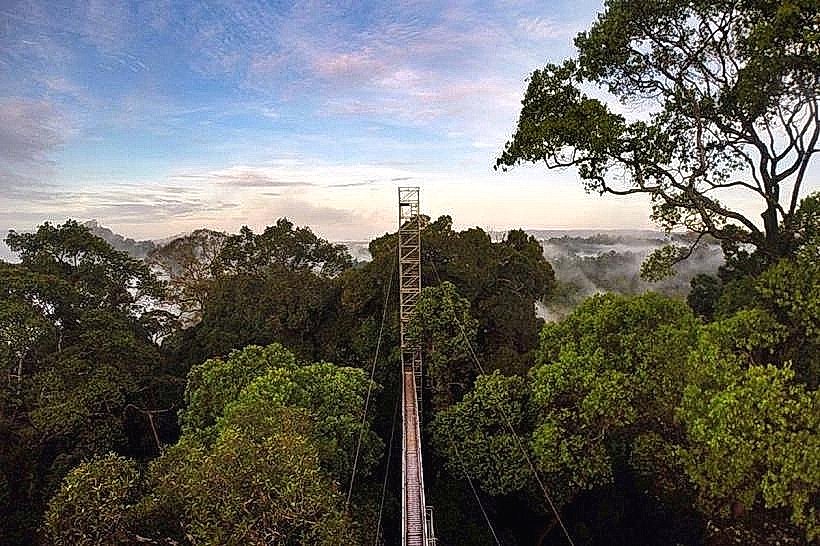
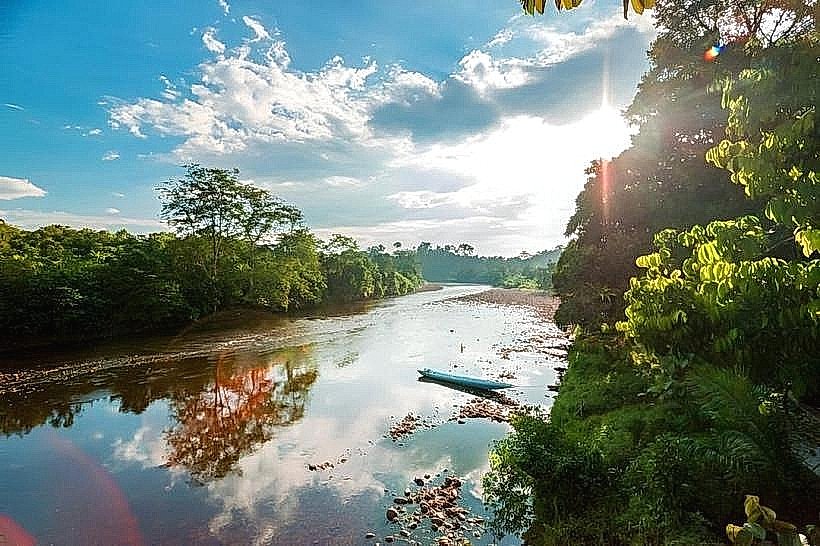
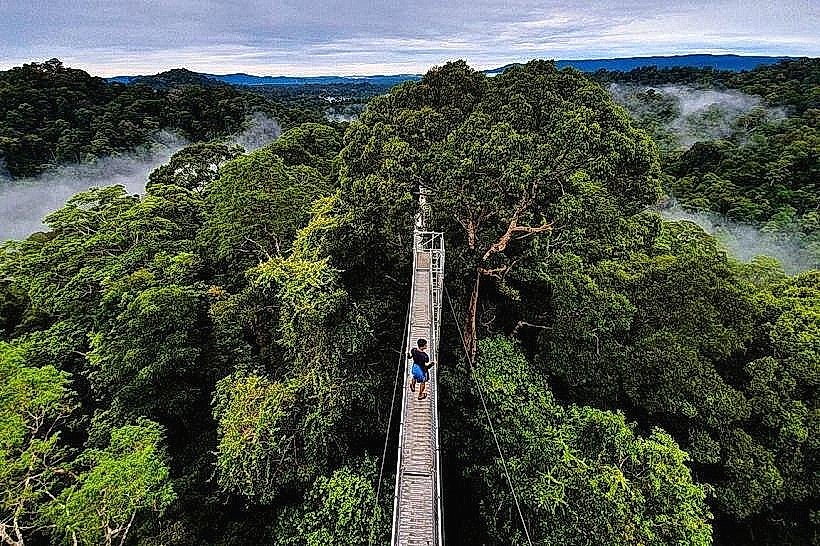
The center comprises several low-rise structures constructed primarily from treated timber and corrugated metal roofing. Buildings are elevated on stilts to minimize ground impact. The surrounding environment is characterized by dense, multi-layered tropical rainforest vegetation, with a canopy reaching significant heights. The Belalong River, a tributary of the Temburong River, flows nearby, its water typically appearing brown due to sediment runoff from the forest floor.
Location & Access Logistics
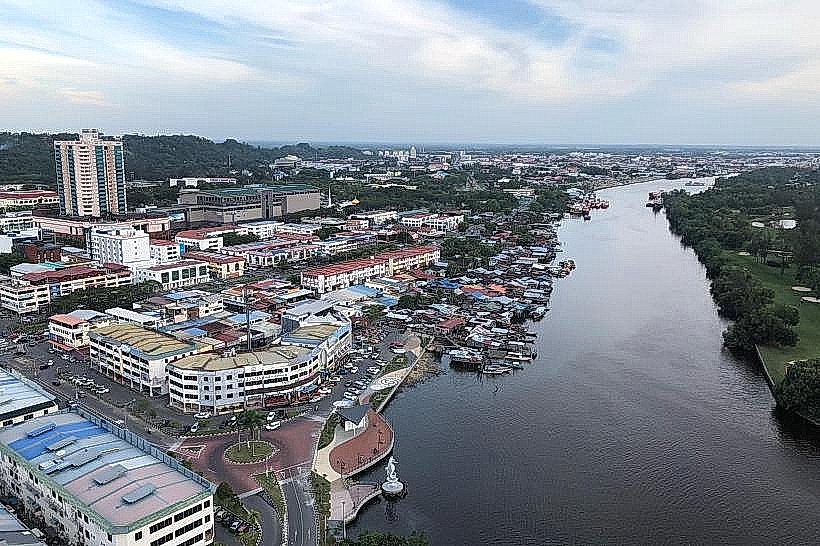
The center is located approximately 40 kilometers inland from Bandar Seri Begawan, the capital city. Access is exclusively via the Temburong River. Visitors typically travel by road to Bangar Town (approximately 45 minutes from Bandar Seri Begawan), then transfer to longboats for a journey upriver to the park entrance. From the park entrance, a further transfer via smaller boats or a short trek is required to reach the center. There is no road access. Parking is available at the Bangar Town jetty.
Historical & Ecological Origin
Established in 1995, the Kuala Belalong Field Studies Centre was a collaborative project between the Brunei government and the University of Brunei Darussalam, with support from the New York Botanical Garden. Its purpose is to facilitate research into the biodiversity and ecological processes of Brunei's primary rainforest. The site is situated within Ulu Temburong National Park, which protects a significant tract of undisturbed lowland dipterocarp forest, a globally important ecosystem.
Key Highlights & Activities
Activities include guided rainforest treks along designated trails, birdwatching, and observation of arboreal wildlife. Scientific research activities are ongoing. Visitors may participate in educational programs focused on rainforest ecology and conservation. Night walks are conducted to observe nocturnal fauna.
Infrastructure & Amenities
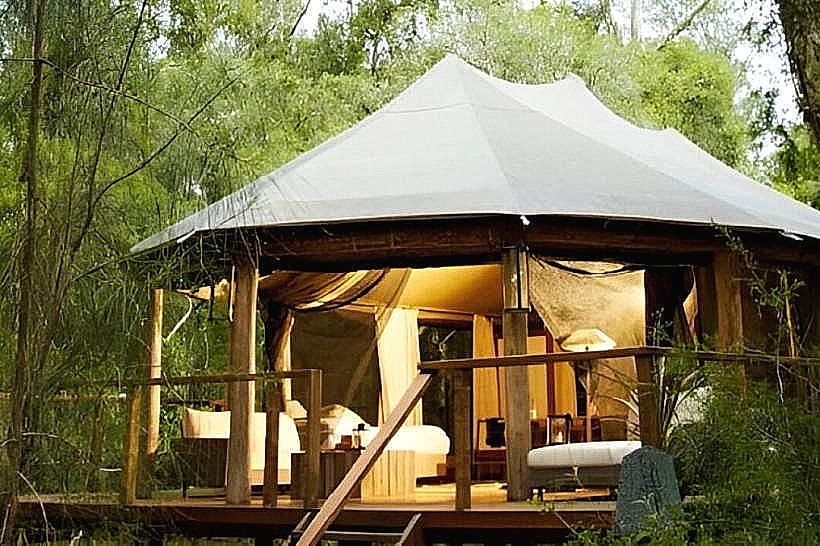
The center provides basic accommodation in dormitory-style rooms. Communal dining facilities are available. Restrooms and shower facilities are present. Shade is provided by the building structures and the forest canopy. Cell phone signal is generally absent within the park and at the center.
Best Time to Visit
The dry season, from March to September, generally offers more favorable conditions for river travel and trekking. However, rain can occur year-round. The best time of day for wildlife observation is typically early morning and late afternoon. There are no tidal considerations for access.
Facts & Legends
The Ulu Temburong National Park is home to the rare and elusive Bornean gibbon. Local folklore speaks of forest spirits that protect the ancient trees. A specific tip for visitors is to carry insect repellent, as mosquitoes and other biting insects are prevalent.
Nearby Landmarks
- Ulu Temburong National Park Entrance (0.5km North)
- Bangar Town (40km Southwest)
- Temburong River (Adjacent)