Information
Landmark: Kyrenia GateCity: Nicosia
Country: Cyprus
Continent: Europe
Kyrenia Gate, Nicosia, Cyprus, Europe
Overview
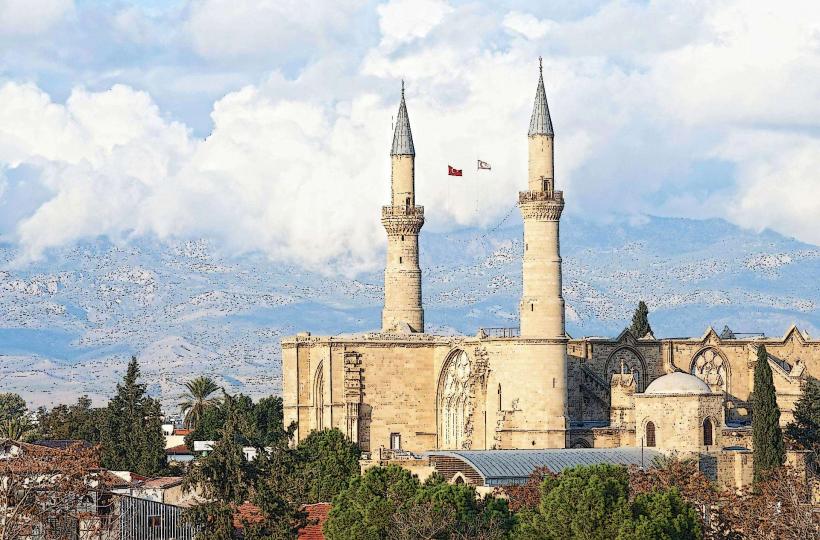
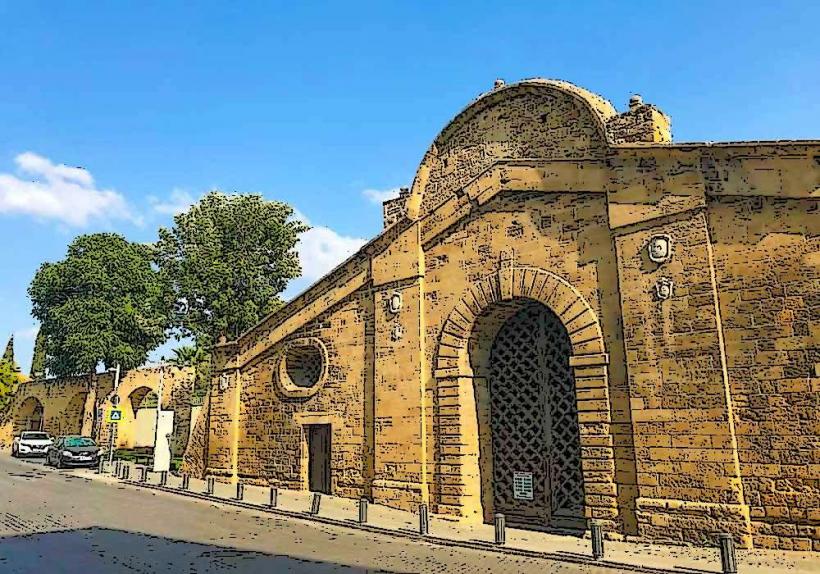
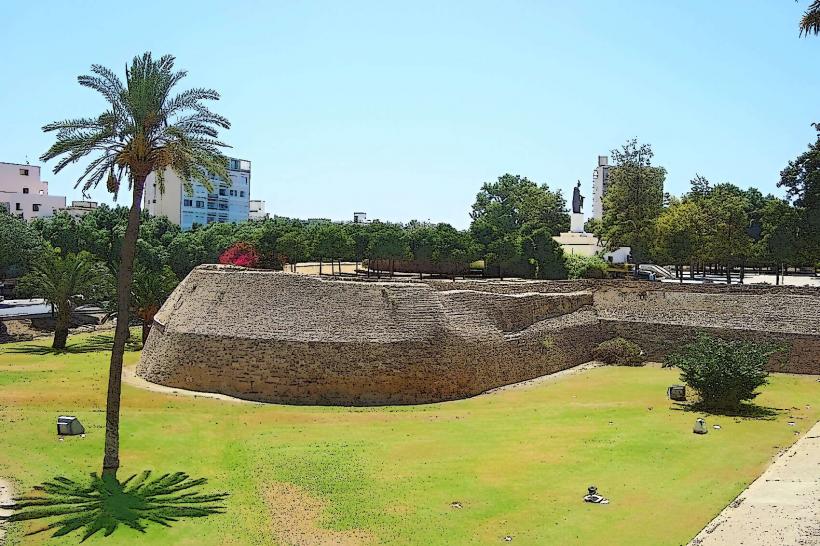
The Kyrenia Gate stands as a key piece of Nicosia’s history, its weathered stone arch marking one of Cyprus’s most treasured landmarks, along with on the north side of the timeworn city walls, it stands as one of the main gates, a location where merchants once passed with carts rattling over worn stone, and it’s been central to the island’s history for centuries.The gate takes its name from Kyrenia, a bustling port on Cyprus’s northern coast, once connected to Nicosia through this very passage, therefore the Kyrenia Gate, built around 1562 during the Venetian period, stood as part of their plan to fortify Nicosia against looming Ottoman attacks, its stone arch framing the dusty road into the city.The Venetians greatly expanded and strengthened the city’s defensive walls, first raised by the Byzantines and later fortified by the Franks, adding fresh stone blocks that still bear the marks of their chisels, therefore the Kyrenia Gate is one of three entrances built into Nicosia’s walls during the Venetian era, alongside the Famagusta and Paphos Gates, where weathered stone still holds the heat of the midday sun.The Kyrenia Gate stands as a striking example of Venetian military architecture, its thick stone walls and arched passage built to meet the defensive demands of the era, what’s more its walls rise in a solid, fortified silhouette, built with jutting towers and narrow slits to keep enemies out and make defending the city easier, occasionally The gate’s built from solid stone, its semi-circular arch a hallmark of Venetian design, much like the ones guarding vintage harbors, in conjunction with thick defensive walls frame the arch, built to endure charging soldiers and the thunder of cannon fire.The Kyrenia Gate, much like other gates in Venice, was built for defense-its thick stone walls and narrow entry made attackers think twice, along with thick walls ring the region, with bastions jutting out and a shadowy, still moat below, all built to guard the entrance.The gate was a vital piece of Nicosia’s defenses, built from thick stone to stand firm against the pounding of artillery, consequently decorative Elements: The Kyrenia Gate serves a practical purpose, but it still bears a few decorative touches, like carved stonework that catches the afternoon light.Above the gate’s arch, an inscription framed by the Venetian coat of arms catches the eye, a stone reminder of the Republic’s power and authority in Cyprus at the time, what’s more the Kyrenia Gate stood at the heart of Nicosia’s defenses, its heavy oak doors holding firm during the Ottoman siege of 1570–1571.The Venetian fortifications, with the weathered stone arch of the Kyrenia Gate, stood as the city’s backbone in its fight against the Ottoman forces, to boot even with all those efforts, the Ottomans swept into Nicosia in 1571, seizing the city’s sunbaked walls, and Cyprus fell under their rule.For centuries, the Kyrenia Gate has stood guard, watching rulers rise and fall, foreign flags replace each other, and the island’s culture shift like the colors of the sea at dusk, subsequently it’s also stood as a stark reminder of Nicosia’s locale in history-a city caught between rival powers from the Venetians to the Ottomans, the British to the Greeks, its walls still bearing the marks of those long struggles.Today, the Kyrenia Gate still rises from the antique stone walls, a proud landmark along the city’s heritage trail, simultaneously you’ll find it in the Turkish‑controlled side of Nicosia, a city split in two since Turkey’s 1974 invasion of Cyprus.Though it sits close to tense political and border lines, the gate still draws crowds, from curious tourists to history buffs eager to trace the island’s storied past beneath its weathered stone arches, moreover the Kyrenia Gate draws crowds today, giving visitors a peek at Nicosia’s heritage stone walls, its military past, and the city’s centuries‑historic Venetian roots.You know, You can wander the grounds, trace the classical stone walls with your hand, and take in the gate’s one‑of‑a‑kind design, to boot because Cyprus remains divided, the Kyrenia Gate stands as a reminder of the island’s tangled history, especially the split that followed 1974, when soldiers and barbed wire cut the city in two.It rises right on the line dividing the Greek Cypriot and Turkish Cypriot sides of Nicosia, a stark reminder of Cyprus’s tangled history and ongoing political rift, after that in recent years, workers have restored the Kyrenia Gate, carefully preserving its weathered stone arches so it remains a landmark that draws visitors, slightly Local officials on the Turkish Cypriot side of Nicosia are working to protect this iconic landmark, making sure it stays open for everyone to meander through its sunlit stone arches, after that the Kyrenia Gate stands in the northwest corner of Nicosia’s timeworn city, marking a main route that links the walled streets to northern Cyprus and on toward Kyrenia, where the sea glints in the distance, maybe Somehow, The gate belongs to the wider network of Venetian Walls that wrap around the timeworn city like a stone embrace, on top of that the gate sits close to several historic spots, like the Buyuk Han-a centuries-classical Ottoman inn with weathered stone walls-and it’s just a short trek to the Selimiye Mosque and the heart of Nicosia’s ancient town.It’s a short, easy amble from the city center to the Kyrenia Gate, where the stone arch catches the midday sun, therefore from several spots in the heritage city, you can notice the gate’s weathered stone arch, marking the entrance to the historic heart of Nicosia.It also lies within Nicosia’s UN-controlled buffer zone, the narrow strip separating Turkish and Greek Cypriot neighborhoods, then the Kyrenia Gate rises as a proud marker of Nicosia’s past, its stone arch echoing the island’s rich Venetian heritage.Blending striking architecture with a rich history, and having once stood at the heart of Cyprus’s military and political life, it’s a site every visitor should spot-stone walls still echo with the past, likewise the gate stands as a solid link to the past, its worn stones a reminder of Cyprus’s tangled history and the many rulers who’ve left their mark on its culture and identity over the centuries, slightly often Whether you’re drawn to military fortifications, tales of Venetian rule, or the stark everyday reminders of Nicosia’s split, the Kyrenia Gate stands as a key landmark, offering a clear window into the island’s layered past.
Author: Tourist Landmarks
Date: 2025-09-03