Information
Landmark: Laguna de los FlamencosCity: Antofagasta
Country: Chile
Continent: South America
Laguna de los Flamencos, Antofagasta, Chile, South America
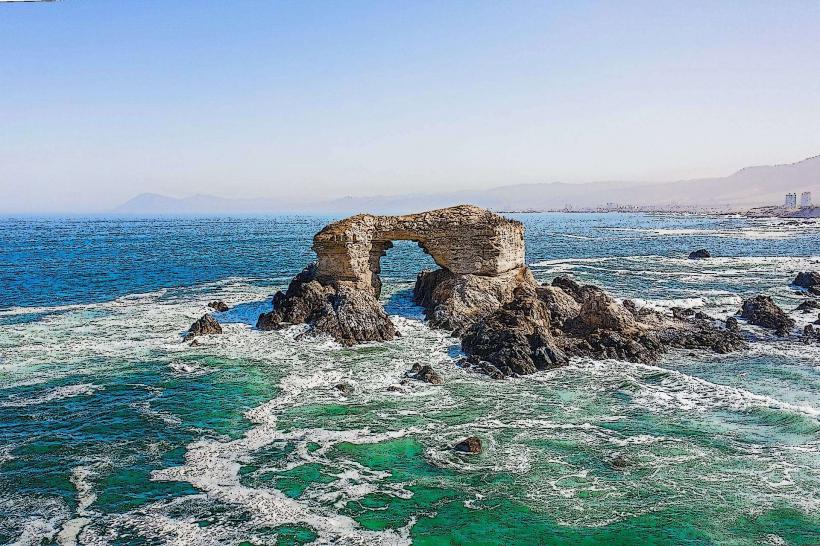
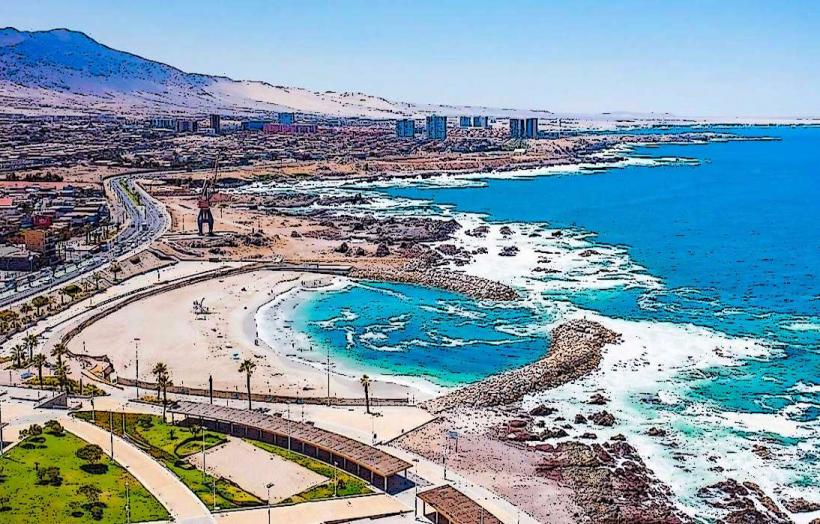
Laguna de los Flamencos is a coastal wetland located within the city limits of Antofagasta, Chile.
This protected area serves as a critical habitat for various bird species, particularly flamingos.
Visual Characteristics
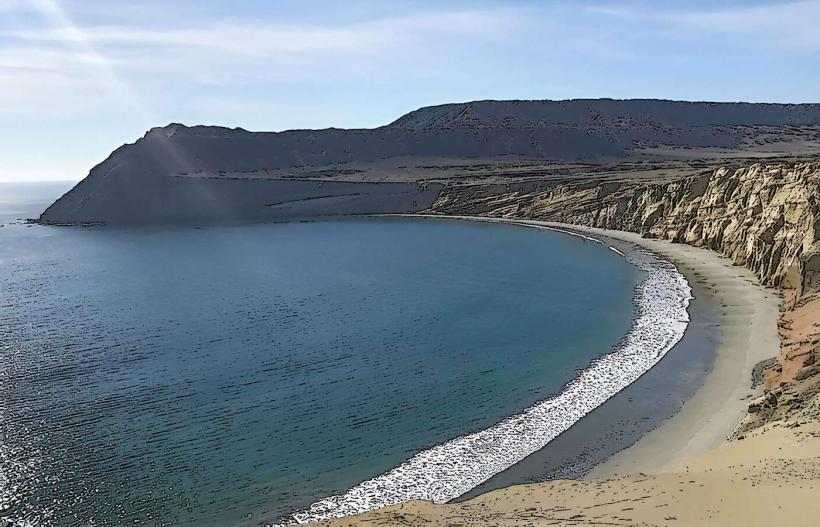
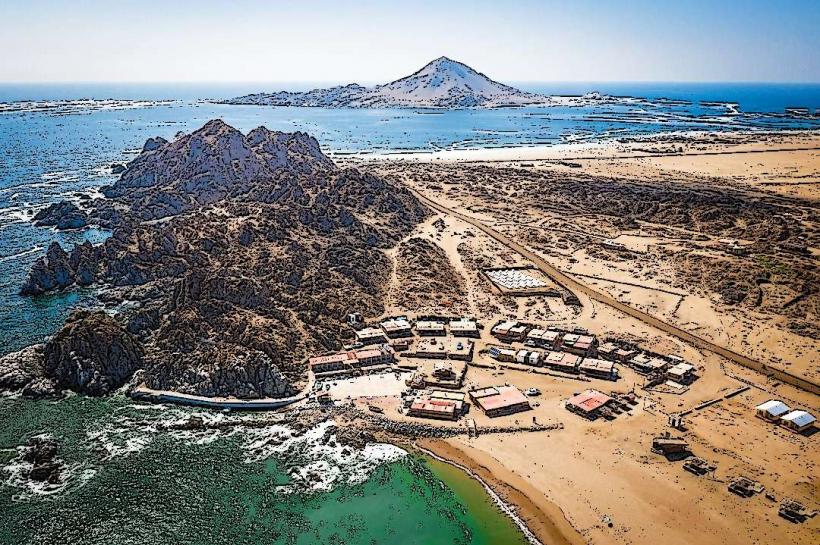
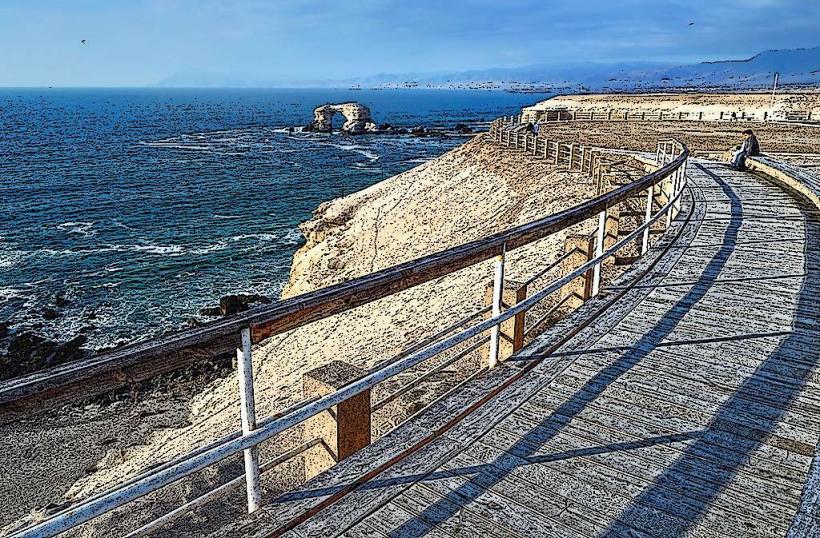
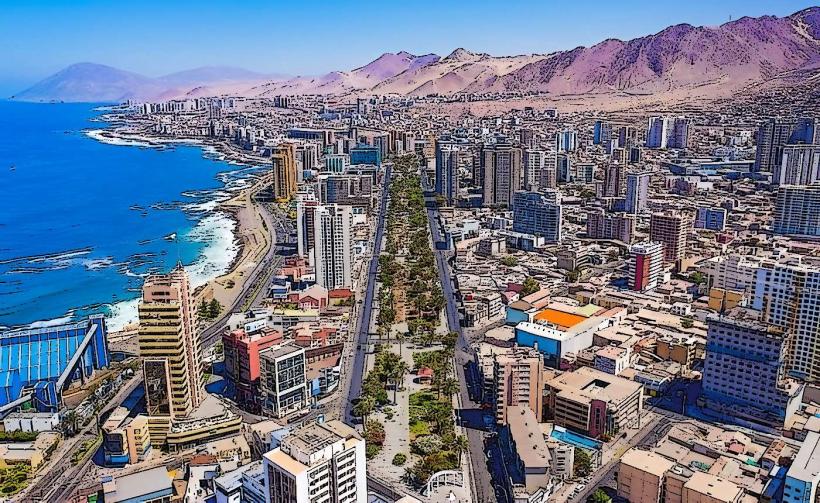
The lagoon features shallow, saline water bodies with a pale pink to reddish hue due to mineral content and algae. The surrounding terrain consists of dry, sandy soil interspersed with sparse, low-lying desert vegetation. The area is relatively flat, with a visible elevation change towards the coastal cliffs to the west.
Location & Access Logistics
Laguna de los Flamencos is situated approximately 5 kilometers north of Antofagasta's city center. Access is via Avenida Costanera Norte, which runs parallel to the coastline. Parking is available along the roadside adjacent to the lagoon's perimeter. Public transport options include local bus lines that service Avenida Costanera Norte; specific route numbers should be verified with local transit authorities.
Historical & Ecological Origin
The lagoon is a natural coastal depression that collects rainwater and runoff, forming a saline wetland. Its ecological significance lies in its role as a stopover point and breeding ground for migratory birds, including three species of flamingos: Andean, Chilean, and James's flamingos. The area is classified as a coastal wetland ecosystem adapted to arid conditions.
Key Highlights & Activities
Birdwatching is the primary activity. Visitors can observe flamingos and other waterfowl from designated viewing points. Photography is also a common pursuit. Walking along the perimeter trails is permitted, but direct interaction with wildlife or the water is discouraged to protect the ecosystem.
Infrastructure & Amenities
Basic infrastructure includes marked walking paths and informational signage. Restrooms are not present within the immediate lagoon area; facilities are available at nearby coastal parks. Shade is minimal, provided only by natural undulations in the terrain. Cell phone signal (4G/5G) is generally available in this urban fringe location. Food vendors are not typically found directly at the lagoon but are present along the main coastal avenues.
Best Time to Visit
The best time of day for photography is early morning or late afternoon when the light is softer and the flamingos are often more active. The months of September through March offer the most favorable weather conditions with less wind and higher temperatures. High tide is not a critical factor for viewing, as the lagoon's water level is primarily influenced by rainfall and evaporation.
Facts & Legends
A specific observation tip: The pink coloration of the flamingos is directly related to their diet of brine shrimp and algae, which contain carotenoid pigments. The intensity of the pink can vary based on the abundance of these food sources.
Nearby Landmarks
- Parque Nacional Pan de Azúcar (35km Northwest)
- Museo Regional de Antofagasta (6km South)
- Ruinas de Huanchaca (7km South)
- Cerro El Ancla (8km South)