Information
Landmark: Mangapwani Slave ChambersCity: Zanzibar
Country: Tanzania
Continent: Africa
Mangapwani Slave Chambers, Zanzibar, Tanzania, Africa
Overview
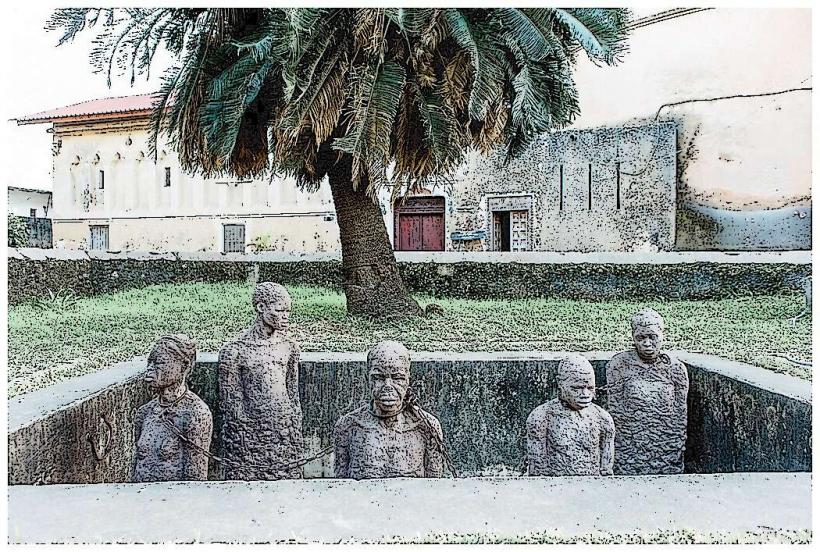
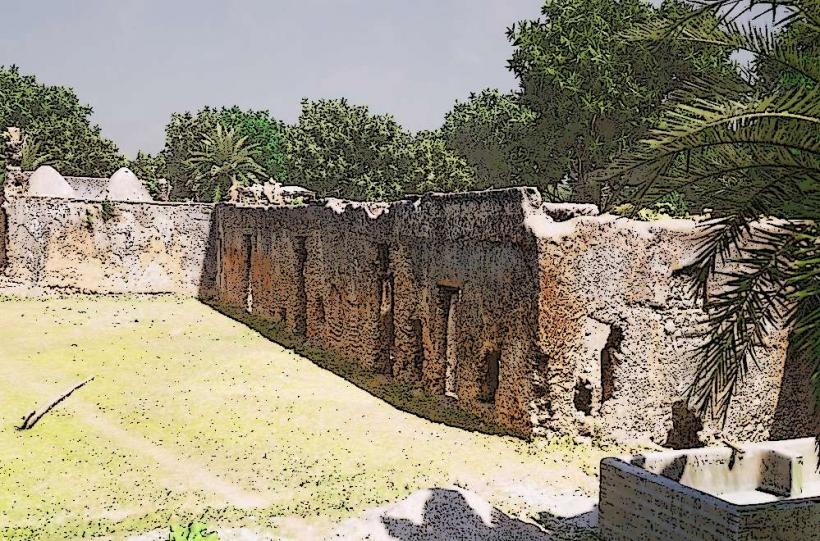
The Mangapwani Slave Chambers, about 15 kilometers (9 miles) north of Stone Town along Zanzibar’s coast, stand as a stark reminder of the island’s gloomy past, their cool stone walls still holding the echo of history, in conjunction with these chambers, once used in the slave trade of the 18th and 19th centuries, give visitors a stark glimpse into the island’s part in the transatlantic tragedy-the air still smells faintly of salt and stone.The site has two main parts: cramped underground chambers where enslaved people were once kept, and a sturdy coastal building still standing, once used to hold them before they were forced onto ships, equally important zanzibar once stood at the heart of the East African slave trade, and Mangapwani was among its crucial holding sites.In the damp, dim chambers there, enslaved people waited-sometimes for days-before being sold, sent to the mainland, or shipped across distant seas.safeThe Mangapwani Slave Chambers are best known for their underground holding cells, where the air stays cool and damp even in the midday heat, and carved from coral rock, these chambers once held enslaved people, packed so tightly the air felt heavy and foul.safeWithout enough food, clean water, or fresh air, life in captivity became almost unbearable, and many didn’t survive.Funny enough, Nearby, a stone well still stands-the venue where enslaved people once drew water under a blazing sun, moreover people also used it to punish and keep others in line, like locking someone in a freezing, shadowy room.safesafeThe Mangapwani Slave Chambers offer more than a glimpse into history-they serve as a powerful setting to learn, where the cool stone walls still seem to echo with the past.The Mangapwani site is a regular stop on guided tours of Zanzibar, where visitors hear how the island once stood at the heart of the slave trade, meanwhile local guides share vivid stories inside the cool, dim chambers, describing the sultans’ role and the grim workings of the trade.Curiously, It’s also a memorial to those who were enslaved, a location to honor their memory and reflect on the suffering and human rights abuses that scarred the region’s past, subsequently visitors often speak with quiet reverence here, finding a chance to connect with the past and reflect on the enduring impact of slavery.The Mangapwani Slave Chambers sit along Zanzibar’s northern coast, about 15 kilometers from Stone Town, where the salty breeze drifts in from the sea, likewise a compact entry fee helps maintain and preserve the site, and the dry months-from June to October and again from December to February-offer the best weather for exploring, occasionally For a cooler, more comfortable experience, go in the morning or wait until late afternoon, when the sun softens and shadows stretch across the path, equally important the Mangapwani Slave Chambers hold deep historical weight, offering a stark, unforgettable view at Zanzibar’s role in the transatlantic slave trade.✔ Educational Experience: The chambers and surrounding areas provide an opportunity for learning and reflection on the suffering endured by enslaved people.✔ Reflective Memorial: The site is a venue of remembrance for those affected by slavery, making it an critical cultural and historical visit, in turn ✔ Peaceful Setting: The coastal setting of Mangapwani offers a quiet and reflective environment for visitors to contemplate the history.✔ Local Insight: Guides offer an in-depth perspective on the history of the slave trade, enriching the experience for visitors, and the chambers and the land around them invite you to learn-and to stop for a moment-about the pain enslaved people endured, the way footsteps echo softly against the stone.✔ Reflective Memorial: This site honors the memory of those once bound by slavery, offering a quiet space where history lingers in the air and making it a vital stop for both cultural and historical reflection.
Author: Tourist Landmarks
Date: 2025-09-13