Information
Landmark: Miyajima FerryCity: Hiroshima
Country: Japan
Continent: Asia
Miyajima Ferry, Hiroshima, Japan, Asia
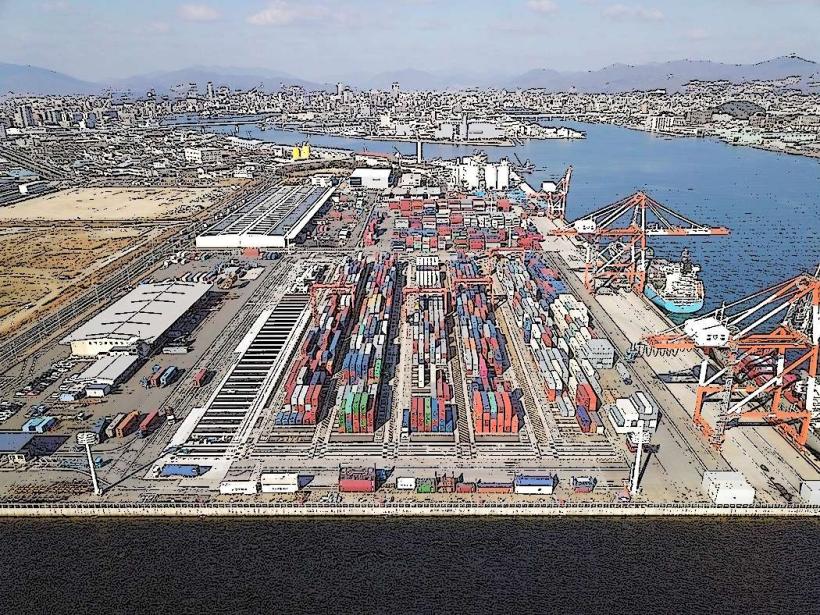
Ujina Port (宇品港, Ujina-kō) is a historic and significant port located in Hiroshima, Japan. Situated on the southern edge of the city, Ujina Port has played an important role in the region's transportation and trade. Historically, it was one of the main ports that connected Hiroshima with the rest of Japan and served as a major gateway for both passengers and freight.
1. Historical Significance
Location: Ujina Port is located in the Ujina District of Hiroshima, approximately 6 kilometers south of the city center. The port is positioned along the Seto Inland Sea, providing a strategic location for sea trade and passenger transport.
Development: The port has been in operation since the late 19th century. It was initially developed as part of Hiroshima’s efforts to expand its maritime capabilities and facilitate economic growth. Over the years, Ujina Port has been a key part of Hiroshima’s development, helping the city become a vital industrial and shipping hub.
2. Key Features and Role
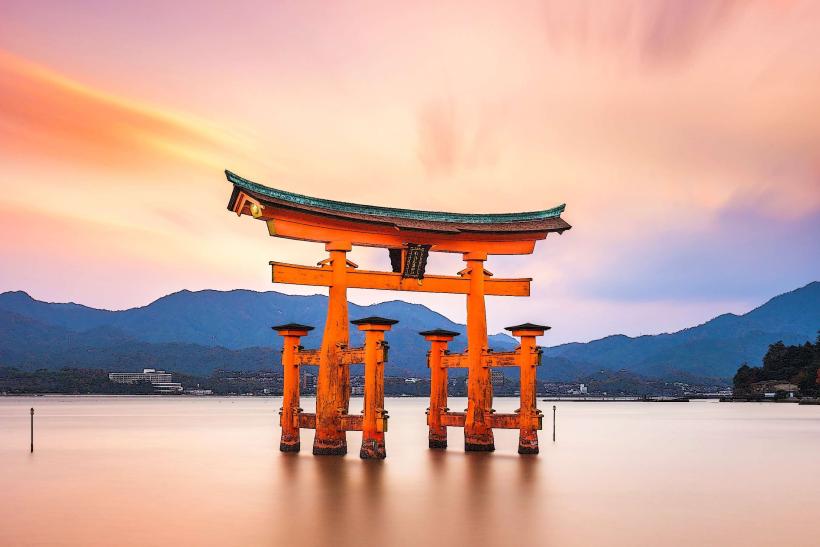
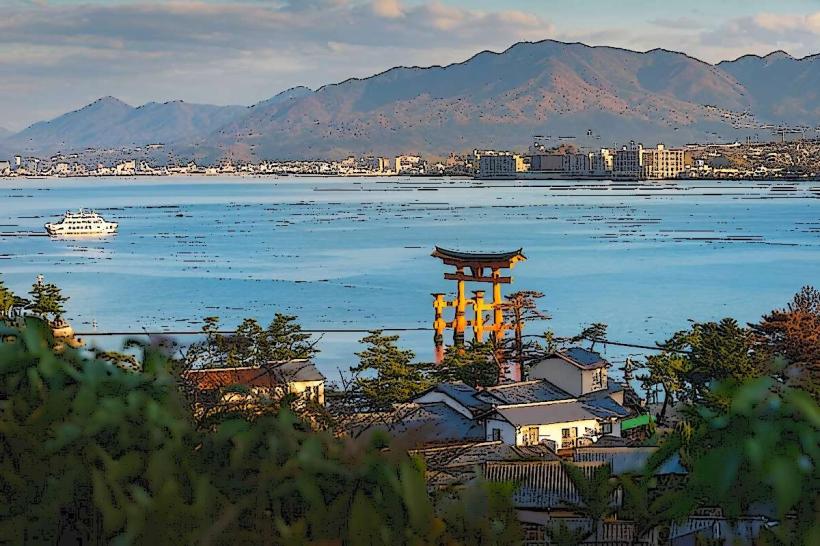
Passenger and Cargo Port: Ujina Port serves both passenger ferries and cargo shipments. It is a key transportation hub for ferries traveling to various destinations, including the nearby Miyajima Island (famous for Itsukushima Shrine and the iconic floating torii gate). The port also handles cargo ships that contribute to the city’s economy by importing and exporting goods.
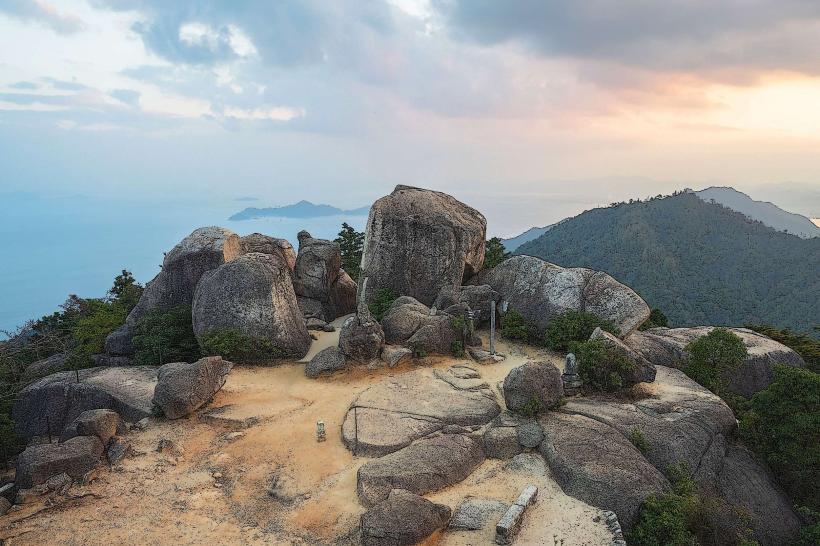
Miyajima Ferry Terminal: One of the most important functions of Ujina Port is its role as the main ferry terminal to Miyajima Island. The port has regular ferry services that transport visitors to Miyajima, where they can explore the island’s famous attractions, including Itsukushima Shrine and Mount Misen. The ferry ride from Ujina Port to Miyajima takes about 30 minutes, making it a popular departure point for tourists visiting the island.
Cruise Terminal: Ujina Port also acts as a cruise terminal for international and domestic cruise ships. Large cruise vessels dock here, and the port facilities provide services for tourists arriving in Hiroshima by sea.
Cargo and Industrial Use: In addition to passenger transport, Ujina Port is also used for the import and export of goods, including industrial materials and consumer products. The port is part of Hiroshima’s wider industrial network, which supports the city’s manufacturing sector.
3. Tourism and Nearby Attractions
Miyajima Island: Ujina Port’s ferry terminal is the primary access point for visitors heading to Miyajima Island, one of Japan’s top tourist destinations. The island is home to the famous Itsukushima Shrine, a UNESCO World Heritage Site, as well as beautiful hiking trails, friendly wild deer, and stunning natural scenery.
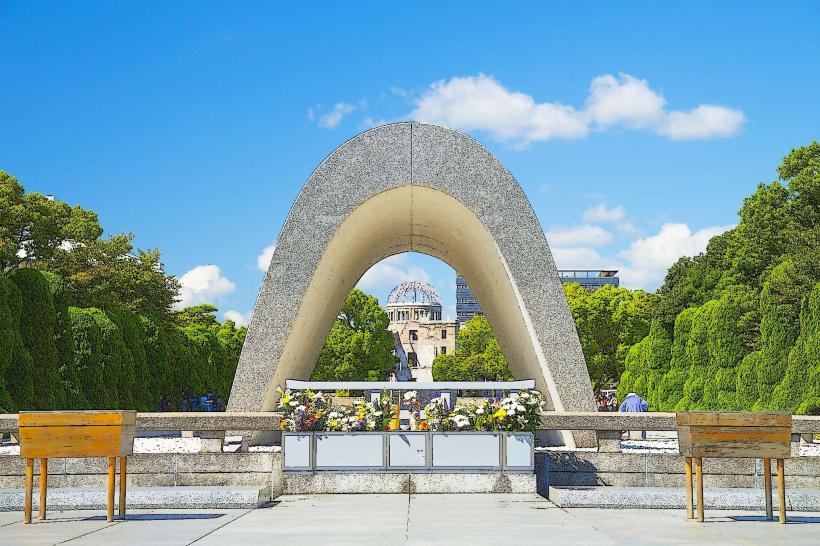
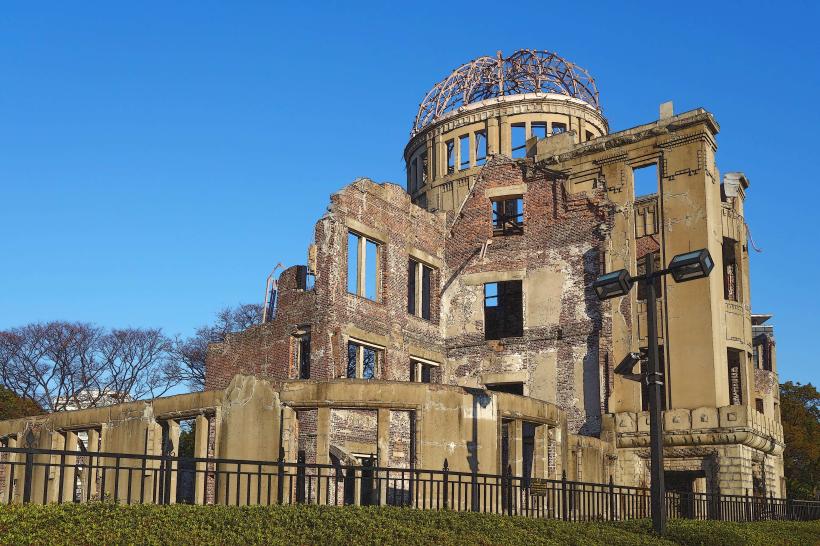
Hiroshima Peace Memorial Park: While Ujina Port is located some distance from the city center, Hiroshima Peace Memorial Park and the Atomic Bomb Dome are must-visit sites that are easily accessible from the port. Visitors to Hiroshima often spend time reflecting on the legacy of the atomic bombing at these landmarks, which are located closer to the city center.
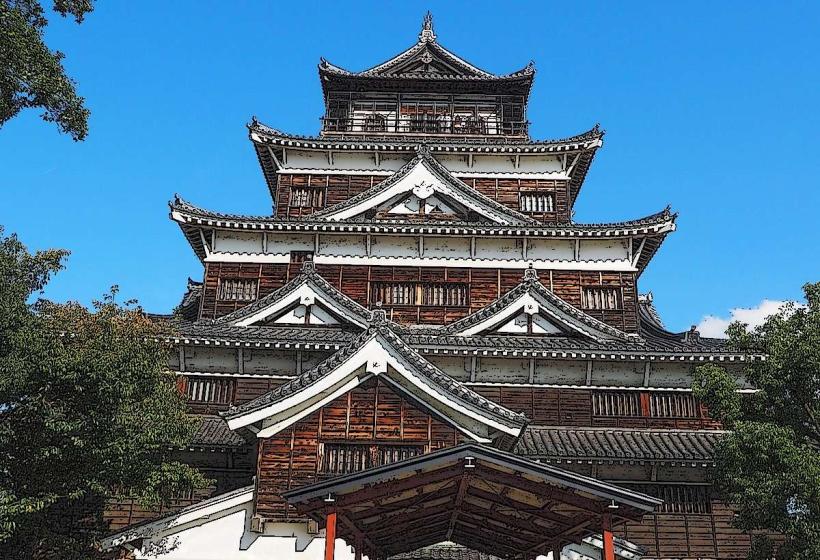
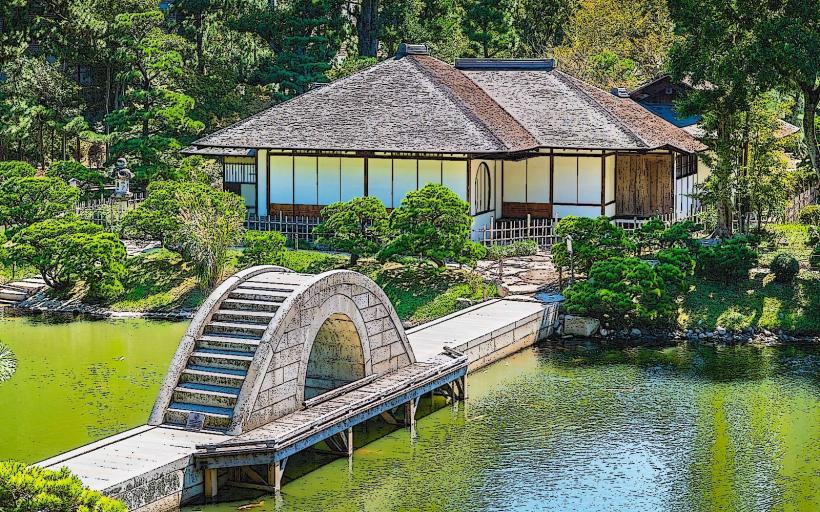
Hiroshima City: Ujina Port’s location provides easy access to Hiroshima’s main attractions, including Hiroshima Castle, Shukkeien Garden, and the Hiroshima Peace Memorial Museum. Visitors can take trams, buses, or taxis to explore the rest of the city from the port.
4. Ujina Port as a Gateway to the Seto Inland Sea
Seto Inland Sea Cruises: Ujina Port is a departure point for cruises that explore the Seto Inland Sea, an area known for its picturesque islands and beautiful coastal scenery. These cruises allow visitors to experience the stunning beauty of the region, which is often referred to as Japan’s "Mediterranean" due to its calm waters and numerous small islands.
Island Hopping: From Ujina Port, travelers can also embark on short trips to other islands in the Seto Inland Sea, such as Shikoku or Awaji Island, using local ferry services. The islands offer opportunities for sightseeing, hiking, and exploring traditional Japanese culture.
5. Modern Development and Future Plans
Expansion and Modernization: Over the years, Ujina Port has undergone modernization efforts to accommodate larger vessels and improve facilities for both passengers and cargo. The port continues to play a significant role in Hiroshima’s economic development, with ongoing investments aimed at increasing capacity and improving infrastructure.
Urban Renewal: The area around Ujina Port has seen urban development in recent years, with the construction of new commercial and residential areas. As Hiroshima continues to grow as a tourist destination, Ujina Port is being integrated into broader plans for urban renewal and infrastructure improvement, helping to create a more vibrant waterfront area.
6. Transportation and Accessibility
By Ferry: Ujina Port is a key departure point for ferries to Miyajima Island, and it also serves as a ferry terminal for other routes within the Seto Inland Sea. Regular ferry services to Miyajima and other islands are available, making it easy for visitors to travel by sea.
By Train: The port is accessible by public transportation, with a tram line connecting it to the center of Hiroshima. The Hiroden tram system provides an efficient way to travel to and from the port.
By Car: Ujina Port is accessible by car, with parking facilities available for travelers. It is also connected to major roads and highways, making it convenient for those who wish to drive to the port.
By Bus: Several bus routes connect the port to other parts of Hiroshima, providing easy access for tourists and locals alike.
7. Conclusion
Ujina Port is a historically important and modern port in Hiroshima, serving as a hub for both tourism and trade. Its role as the main ferry terminal to Miyajima Island, as well as its use as a cruise terminal and a vital cargo port, makes it a key transportation gateway for the region. With its strategic location on the Seto Inland Sea and proximity to Hiroshima’s most important landmarks, Ujina Port remains an essential part of the city's infrastructure, contributing to both its economy and its status as a major tourism destination.