Information
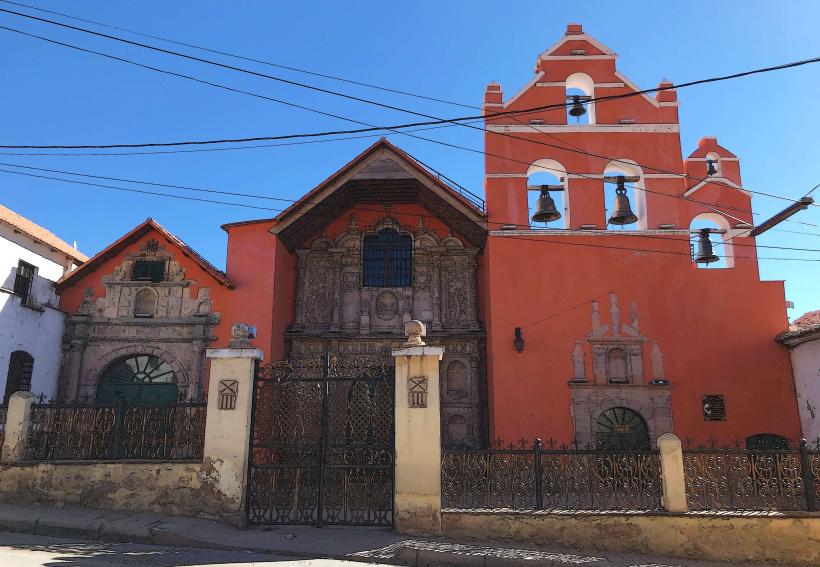
Landmark: Museo de la Llama y de la Mujer AndinaCity: Potosi
Country: Bolivia
Continent: South America
Museo de la Llama y de la Mujer Andina, Potosi, Bolivia, South America
Overview
In Potosí, Bolivia, the Museo de la Llama y de la Mujer Andina (Museum of the Andean Llama and Woman) shines as a one‑of‑a‑kind venue honoring Andean culture and traditions, with a special spotlight on the llama and the vital role women play in community life-like weaving sparkling, hand‑dyed wool into intricate patterns, what’s more the museum reveals how these two elements shaped Andean culture, from ancient rituals to everyday life, like the sound of flutes echoing in mountain air.For thousands of years, Indigenous peoples of the Andes have relied on the llama-hauling goods up rocky mountain paths and weaving its soft wool into warm clothing, therefore in the high Andes, people rely on it for carrying loads along rocky trails, as well as for its warm wool and nourishing meat, mildly For generations, Andean women have been at the heart of family life, working the fields, shaping clay pots, and passing down traditions, as well as the museum honors the vital role women have played in the Andes’ society and economy, highlighting their mastery of intricate textile weaving, their work in tending crops, and their care for animals grazing on the mountain slopes.They built the museum to protect and showcase these vital pieces of Andean life, treasures that have long shaped Bolivia’s Indigenous cultures, not only that featured exhibits, from rare fossils to interactive displays, draw you in at first glance.Mind you, At the museum, the llama takes center stage, surrounded by displays showing how it once carried heavy sacks of grain across the Andean hills and kept village life moving, besides visitors can discover how llamas once carried goods along steep mountain trails, and explore their deep ties to the Inca civilization and the Indigenous peoples of the Andes.The museum shows how llamas fit into everyday life in the Andes, from the soft wool spun into sparkling scarves to their role as a food source and even in sacred ceremonies, then the museum features a striking display of traditional llama crafts-woven textiles and soft, hand-dyed fabrics made from llama wool-that reveal the Andean people’s remarkable artistry, maybe Number two, while another prominent theme in the museum highlights the role of Andean women, with exhibits that bring their traditional crafts to life-vivid textile weaving, hand-formed pottery, and the earthy scent of freshly turned soil from agricultural work.The museum showcases how women in the Andes have shaped both the economy and local culture, from leading market stalls piled high with luminous woven textiles to safeguarding Indigenous traditions for future generations, equally important one corner of the museum traces the story of Andean women in Bolivia, showing how they’ve shaped family life, led their communities, and even taken to the streets in political protest.Three, equally important the museum showcases a rich array of handwoven textiles made by Andean women, each piece alive with color and texture, revealing the deep bond between their craft and the cultural identity of the Andes.Llama and alpaca wool textiles often burst with luminous colors and intricate patterns, their woven designs carrying deep symbolic meaning for Andean communities, on top of that visitors can also spot the worn wooden looms and hand-carved needles once used in weaving and crafting, adding depth to their grasp of the artistic traditions that shape Andean culture.If I’m being honest, The Museo de la Llama y de la Mujer Andina isn’t just a venue to gaze at exhibits-it’s a lively classroom where you might trace weaving patterns in soft llama wool while learning how both llamas and women have shaped the social, cultural, and economic life of the Andes, along with it’s a location where culture lives on, sharing the skills and wisdom handed down through the years-like the careful weave of a hand-dyed cloth or the curve of a carved wooden bowl.The museum doubles as a lively hub for cultural exchange, where visitors learn about Andean traditions and leave with a deeper respect for Bolivia’s rich tapestry of cultures and the wider Andean region, as a result what makes the Museo de la Llama y de la Mujer Andina worth a visit?, to some extent Cultural Insight: Step inside the museum and you’ll glimpse the vibrant textiles of Andean women and the proud history of the llama, gaining a richer sense of Bolivia’s living traditions, simultaneously the museum draws you in with its focus on llama-inspired crafts, intricate woven textiles, and the vital role women play in society, creating an experience that’s both eye-opening and richly immersive.Celebrating women’s role, the museum shines a light on the vital yet often forgotten work of Andean women-like the intricate weaving of dazzling alpaca scarves-while championing gender equality and honoring their culture, also preserving Andean heritage, this vibrant space keeps ancient customs alive, inviting visitors to watch a weaver’s hands dance across a dazzling loom and learn directly from the artisans who carry these traditions forward.If you’re in Potosí, don’t miss the Museo de la Llama y de la Mujer Andina-a location where Andean culture and history come alive, and you can behold how women and llamas have shaped this remarkable society, right down to the woven blankets on display, along with the museum’s vivid exhibits and colorful cultural displays pull you straight into the heart of Bolivian traditions, letting you hear the rustle of woven textiles and sparking a real appreciation for the artistic, cultural, and social threads of Andean life.
Author: Tourist Landmarks
Date: 2025-09-18