Information
Landmark: Ngorongoro CraterCity: Ngorongoro Region
Country: Tanzania
Continent: Africa
Ngorongoro Crater, Ngorongoro Region, Tanzania, Africa
Overview
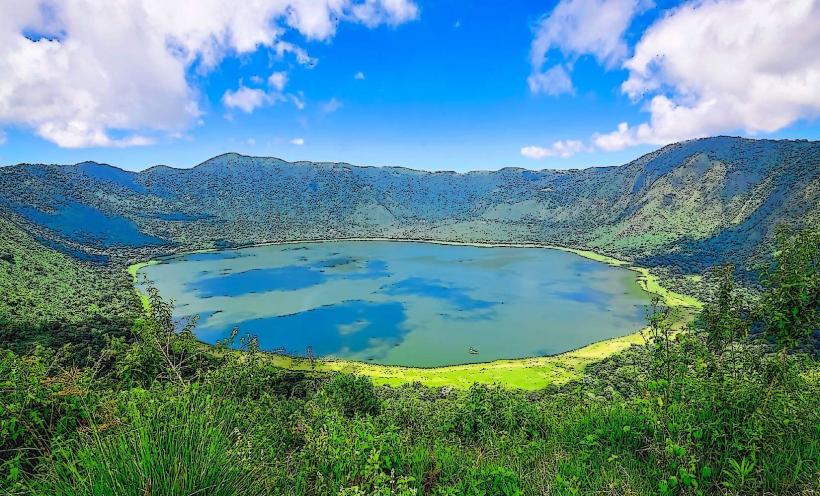
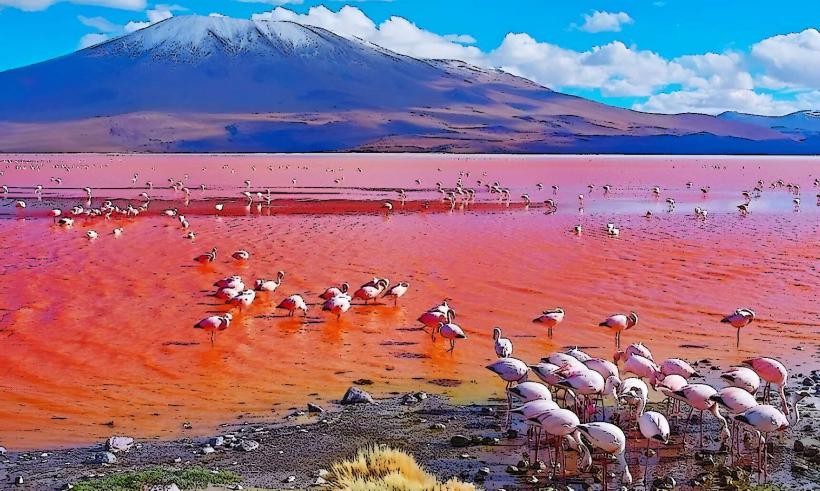
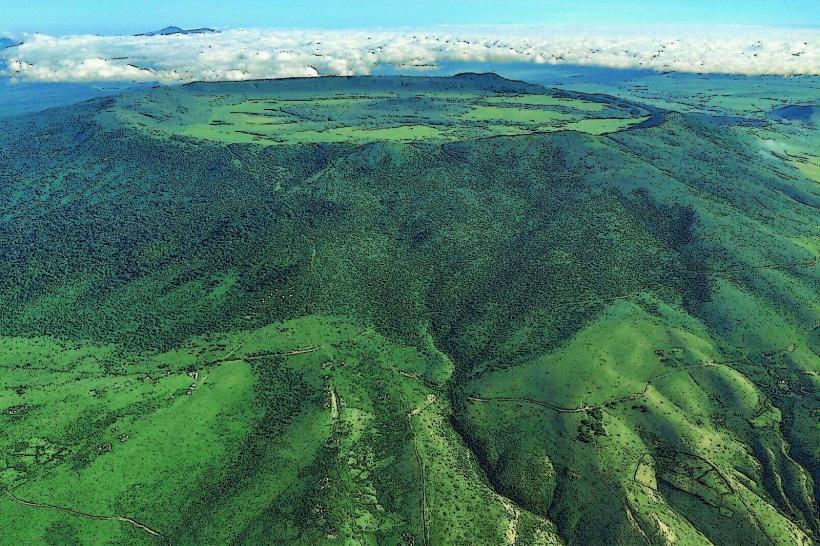
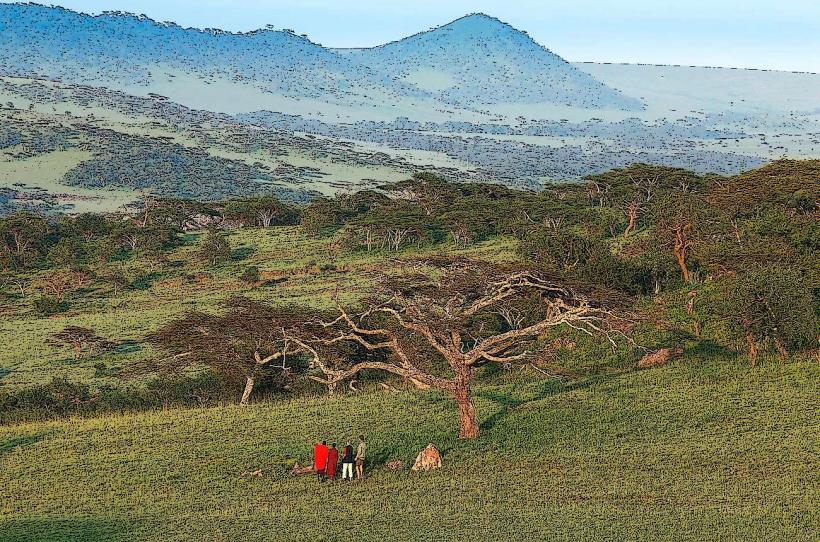
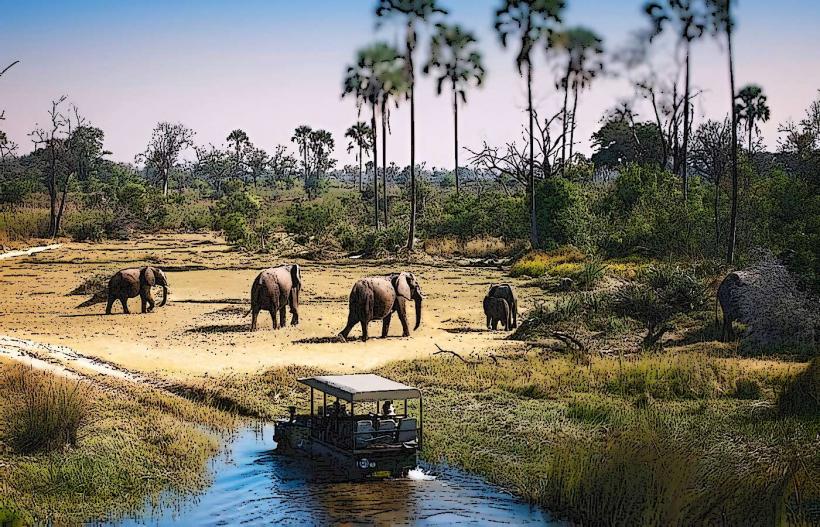
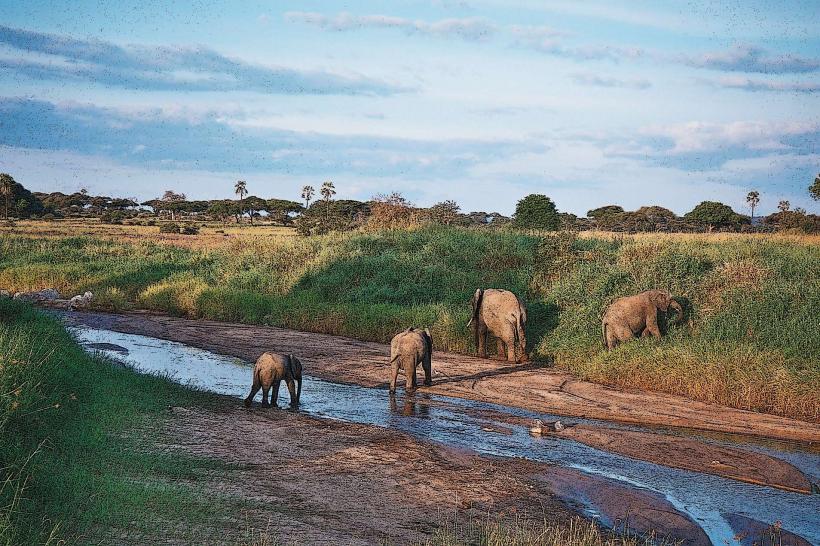
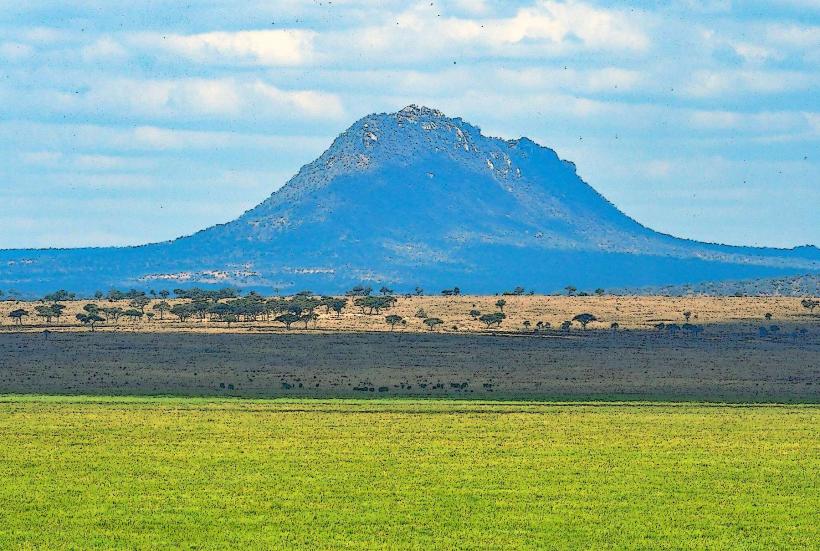
If I’m being honest, Ngorongoro Crater, the world’s largest unflooded caldera, is one of Tanzania’s most celebrated natural wonders, where golden grasslands stretch beneath a wide, blue sky, at the same time often called the “Eden of Africa,” it holds the title of the world’s largest unbroken caldera untouched by water, a vast bowl of grassland and shadowed cliffs.Formed millions of years ago when a volcano erupted, the crater now shelters an astonishing variety of wildlife and ecosystems, from grazing zebras to rare birds, making it a breathtaking destination for safaris and nature lovers alike, alternatively highlights of the Ngorongoro Crater, from its steep green walls to the shimmering lake at its center.About two to three million years ago, a towering volcano blew apart in a violent eruption, its peak collapsing to form what we now call the Ngorongoro Crater, not only that the caldera stretches about 20 kilometers across, its sheer cliffs towering above a flat, wind-swept floor.It’s the largest intact volcanic caldera on Earth, plunging as deep as 600 meters, furthermore spanning more than 250 square kilometers, the crater’s floor unfolds in a patchwork of grasslands, swamps, shimmering lakes, and shady forests, creating habitats that range from open savannah to dense woodland and quiet wetlands.These habitats provide ideal conditions for wildlife, turning the crater into a prime spot for game viewing, then permanent water flows from the Olmoti and Munge Rivers into Lake Magadi-a shimmering soda lake-sustaining life here year-round.The Ngorongoro Crater teems with animals, from grazing zebras and prowling lions to a dazzling variety of birds and reptiles, consequently few spots in Africa match this region for spotting the enormous Five-lion, leopard, elephant, buffalo, and rhino-all in one stretch of sunbaked grassland.Elephants roam the crater in great numbers, their grey shapes moving slowly through the sunlit grass, as well as most are ancient bulls with sweeping tusks, often spotted grazing in the tall grass or drinking at the edge of a muddy waterhole.Lions roam here too, with prides often spotted lounging in the sun across the crater floor, at the same time these lions have adjusted to the tighter landscape, often spotted chasing wildebeests or zebras across the dusty grass.You know, Black rhinos, now critically endangered, roam the floor of the Ngorongoro Crater, one of the rare places where you might spot their dim silhouettes against the golden grass, furthermore people are working hard to protect the rhinos here, tracking their movements through the dusty grass day after day.Wildebeests and zebras gather in massive herds that drift across the crater floor, kicking up dust and drawing the watchful eyes of cheetahs and hyenas, furthermore when calving season arrives, the destination bursts with restless young animals, and predators take full advantage of the easy prey.Somehow, At Lake Magadi in the crater, large pods of hippos gather, spending lazy hours half-submerged in the cool water or lumbering onto the shore to graze on the tall, green grasses, therefore birds: The crater is a prime spot for birdwatching, where you might catch flamingos wading in the shallows or spot eagles and vultures circling high above.Birdsong drifts from the surrounding wetlands and forests, which shelter a rich variety of bird life, while number four stands alone, simple as a chalk mark on a blank wall.From the edge of the Ngorongoro Crater, the land drops away into a vast, sunlit bowl, and several viewpoints along the rim invite you to stop and soak it all in, in addition one popular spot offers a sweeping panorama of the entire caldera-perfect for a photo or simply standing still as the wind tugs at your sleeves.The crater lies within the Ngorongoro Conservation Area, a protected UNESCO World Heritage Site spanning about 8,300 square kilometers, where mountain forests give way to open savannah and both wildlife and local cultures thrive, as a result the Maasai live in the conservation area, where for generations they’ve grazed their cattle beside zebra and wildebeest.Honestly, In the Ngorongoro Crater, protecting this fragile balance between people and wildlife is vital, alternatively with so many animals packed into such a miniature space, food and water run short rapid, and the crater’s ecosystem has to be managed closely to keep grasslands from being stripped bare and habitats from breaking down, roughly Human-wildlife conflict is still a problem, with Maasai families living just a short stroll from grazing elephants, to boot in the Ngorongoro Crater, people and wildlife share the land in a way that turns daily life into a rare, living example of sustainability, where herders guide cattle past grazing zebras.Poaching and illegal hunting threaten wildlife, hitting endangered species hardest-like the black rhino, prized for its horn and often tracked through the dust by armed hunters, likewise local authorities and conservation groups are working hard to protect the region’s wildlife, from the flash of a kingfisher’s wings to the quiet growth of rare wildflowers, in a sense Seven, therefore in the Ngorongoro Crater, most visitors come for the game drives, winding through the vast caldera to spot lions lounging in the grass and elephants ambling along the rim.Because the crater’s miniature and contained, you can spot wildlife quickly-like a herd of zebra grazing near the rim-and game drives run in the cool early morning or the soft light of late afternoon, when the animals are busiest, furthermore ngorongoro Crater Rim Walks: To witness the landscape from a fresh angle, join a guided tour that follows the rim’s winding path, where wind tugs at your jacket and the plains stretch far below.These walks treat you to sweeping views and give you a chance to spot wildflowers swaying in the breeze while learning about the region’s plants and animals, as well as while exploring the Ngorongoro Crater, you can drop by a nearby Maasai village, hear the rhythmic beat of their welcome songs, and learn about the customs and traditions the Maasai have carried through centuries in this land, slightly Eight, what’s more the best time to experience Ngorongoro Crater is in the dry season, from June to October, when golden grass stretches under a clear blue sky.At this time, animals crowd around waterholes, their hooves stirring up little puffs of dust, and spotting them becomes far simpler, as a result from November to April, the green season offers a quieter trip-think empty trails and the soft patter of afternoon rain, more or less This time of year, the crater bursts with green, and though animals roam farther apart, it’s perfect for spotting shining flashes of birds and soaking in the sweeping views, after that in the end, the Ngorongoro Crater belongs on every safari lover’s list, with its sweeping grasslands dotted by grazing zebra.With its sweeping landscapes, vibrant wildlife, and astonishing variety of habitats, it stands among Africa’s most remarkable places, not only that whether you’re spotting lions in the tall grass, snapping photos of grazing zebra, or just soaking in the vast sweep of the landscape, the Ngorongoro Crater delivers an experience you won’t forget.It’s one of Tanzania’s crown jewels, a destination where Africa’s wildlife heritage shines at its brightest-think golden grasslands alive with the roar of lions.
Author: Tourist Landmarks
Date: 2025-09-13