Information
Landmark: Oklahoma State FairCity: Oklahoma City
Country: USA Oklahoma
Continent: North America
Oklahoma State Fair, Oklahoma City, USA Oklahoma, North America
The Oklahoma State Fair is the state’s largest annual celebration of agriculture, culture, entertainment, and community, held in Oklahoma City. With a history spanning more than a century, it combines traditional agricultural showcases with modern carnival attractions, live performances, and competitive events, making it a cultural touchstone for residents and visitors alike.
Origins and History
The Oklahoma State Fair was first held in 1907, the same year Oklahoma became a state, as a way to promote agriculture, livestock, and local industry while fostering civic pride.
Over time, it grew from a small agricultural exhibition into a major multi-day event, attracting hundreds of thousands of attendees annually.
Its enduring success reflects Oklahoma’s agricultural roots, community spirit, and evolving tastes in entertainment and leisure.
Location and Layout
The fair is held at the Oklahoma State Fairgrounds, a sprawling complex near downtown Oklahoma City, covering over 390 acres. Key areas include:
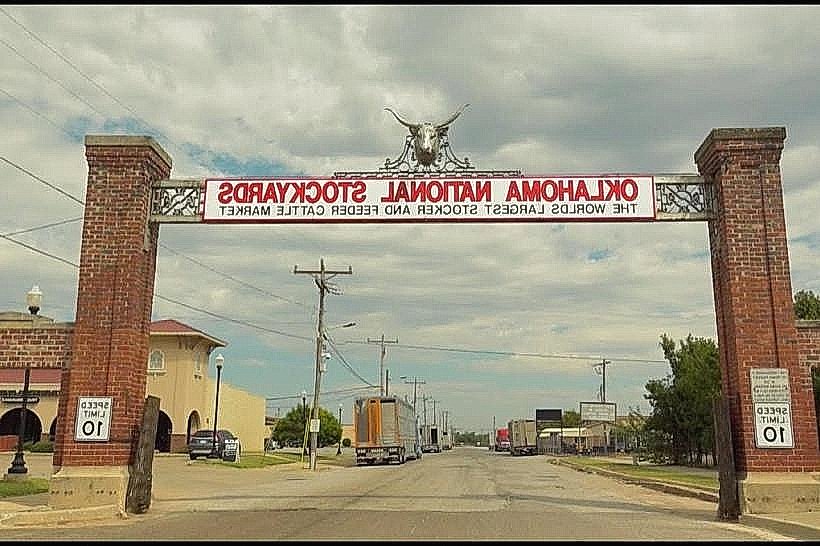
Livestock and Agricultural Exhibits: Demonstrations of cattle, horses, poultry, sheep, and other farm animals. Competitions highlight breeding, husbandry, and agricultural knowledge.
Exhibition Halls: Showcasing Oklahoma-made products, crafts, culinary arts, and educational displays.
Carnival Grounds: Amusement rides, games, and midway attractions for all ages.
Concert Stages and Entertainment Venues: Hosting live music, talent shows, and special performances.
Food and Beverage Areas: A mix of traditional fair foods, regional specialties, and modern culinary offerings, from fried classics to gourmet creations.
Competition Spaces: Areas for contests in art, photography, baking, horticulture, and more, fostering community engagement and skill recognition.
Special Events and Highlights
Demolition Derbies and Rodeos: Popular for adrenaline-seeking attendees, these events showcase both skill and spectacle.
Parades and Pageants: Including crowning of fair royalty, youth competitions, and community celebrations.
Live Music and Concerts: Featuring country, rock, pop, and regional music artists.
Agricultural Education Programs: Programs for students and visitors demonstrating farming techniques, sustainability, and animal care.
Visitor Experience
Family-Friendly: The fair offers activities for all ages, from children’s rides and petting zoos to senior-friendly exhibits.
Cultural Immersion: Visitors experience Oklahoma’s heritage through music, crafts, food, and livestock exhibitions.
Interactive Learning: Many exhibits are designed to educate visitors about agriculture, science, and local history.
Festive Atmosphere: The mix of sights, sounds, and flavors creates an immersive celebratory environment.
Community and Economic Impact
The fair attracts hundreds of thousands of attendees annually, drawing visitors from across Oklahoma and neighboring states.
Local businesses, vendors, and performers benefit economically from the influx of attendees.
It serves as a community gathering point, strengthening civic pride and social cohesion.
Legacy and Significance
The Oklahoma State Fair represents a bridge between traditional agriculture and modern entertainment, reflecting the state’s history, economy, and culture. Its combination of livestock competitions, educational exhibits, and festive attractions makes it both a celebration of Oklahoma heritage and a major tourism event.
Today, the fair continues to be a highlight of Oklahoma City’s annual calendar, embodying the spirit of community, resilience, and celebration that defines the state.